1:54 pm, Tuesday, 2 December 2025

Preliminary draft of July Charter prepared : Ali Riaz

The National Consensus Commission (NCC) will circulate sections of its proposed July Charter to political parties on Monday, as the body races to meet a July 31 deadline for concluding its ongoing dialogue on state reforms.

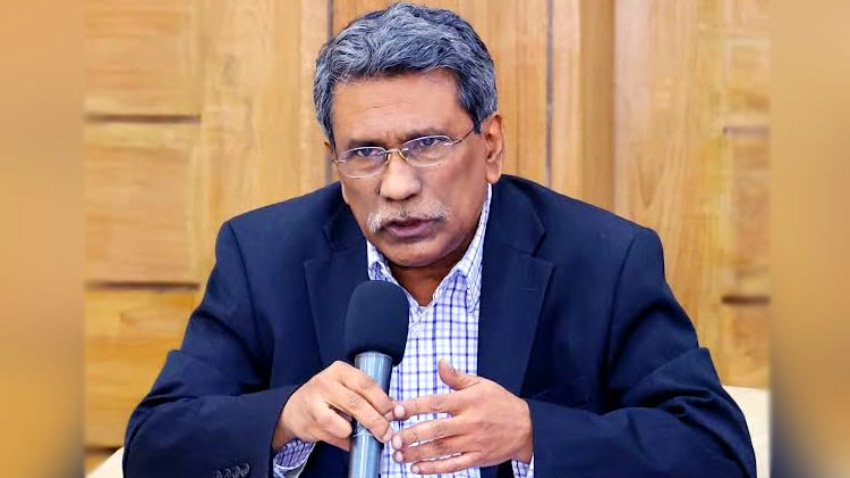
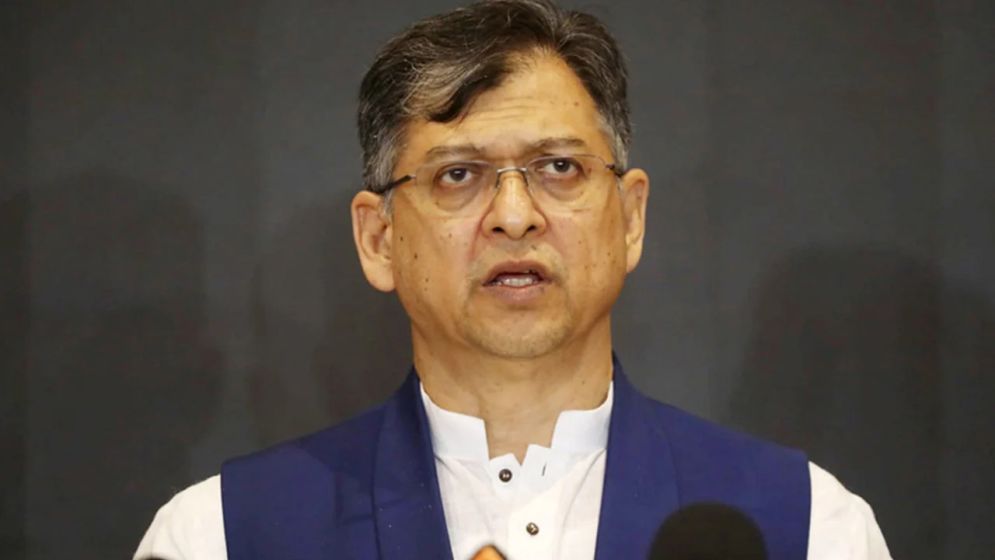
The upcoming release will include the charter’s preamble and commitment section, excluding reform items that have already reached consensus, confirmed NCC Vice Chair Professor Ali Riaz during the 19th session of the second-round dialogue held Sunday at the Foreign Service Academy in Dhaka.

Riaz emphasized that political parties would have the opportunity to review and comment on the draft. Only significant or fundamental objections to the wording will be discussed further in the forum. “We are determined to complete the reform discussions by July 31 under any circumstances,” he said.

Three key topics were on the agenda during Sunday’s session: the formation of a police commission, the fundamental principles of the State, and the expansion of citizens’ basic rights. Of these, the police commission emerged as a new issue that was not included in the original 166 reform proposals submitted to political parties for feedback.

Responding to repeated demands from political representatives and the public, particularly following the 2024 July-August uprising, Riaz said the proposal had been brought forward after both formal and informal consultations.

“This is not a diversion,” he explained. “There is a legitimate need to address the role of the police and their accountability. That is why we are considering the creation of a dedicated police commission.”

The proposed Bangladesh Police Commission would consist of nine members, chaired by a retired Supreme Court Appellate Division justice. It would have the authority to investigate complaints from both police personnel and citizens, and oversee the professionalism and accountability of the force.

The member secretary would be a retired police official of at least Additional Inspector General rank. The seven other non-salaried members would include:Representatives from the Leader of the House, Leader of the Opposition, Speaker, and Deputy Speaker;A High Court-listed lawyer, a human rights activist, and another retired senior police officer.
Only the chair and member secretary would serve as permanent members.

So far, consensus has been reached on 10 out of 18 core issues, though some proposals carry formal dissent notes. Discussions on seven other items are ongoing, with one issue currently awaiting a final ruling from the Commission. Three proposals are yet to be discussed.

The second round of NCC talks began on June 2 and involves around 30 political parties, including major players like the Bangladesh Nationalist Party (BNP), Bangladesh Jamaat-e-Islami, and the National Citizen Party (NCP).

The Commission, established on February 15, 2025, under the leadership of Chief Adviser Professor Muhammad Yunus, is tasked with building broad political consensus around key reforms. The first phase of dialogue took place between March 20 and May 19.

With the July 31 deadline fast approaching, Professor Riaz noted that any additional day for signing the final charter would only be possible once all discussions are concluded. Sunday’s session, he indicated, could extend late into the evening to ensure progress remains on track.

Tag :

Write Your Comment

Your email address will not be published. Required fields are marked *

Save Your Email and Others Information

About Author Information

Preliminary draft of July Charter prepared : Ali Riaz

Update Time : 07:56:37 pm, Sunday, 27 July 2025
The National Consensus Commission (NCC) will circulate sections of its proposed July Charter to political parties on Monday, as the body races to meet a July 31 deadline for concluding its ongoing dialogue on state reforms.

The upcoming release will include the charter’s preamble and commitment section, excluding reform items that have already reached consensus, confirmed NCC Vice Chair Professor Ali Riaz during the 19th session of the second-round dialogue held Sunday at the Foreign Service Academy in Dhaka.

Riaz emphasized that political parties would have the opportunity to review and comment on the draft. Only significant or fundamental objections to the wording will be discussed further in the forum. “We are determined to complete the reform discussions by July 31 under any circumstances,” he said.

Three key topics were on the agenda during Sunday’s session: the formation of a police commission, the fundamental principles of the State, and the expansion of citizens’ basic rights. Of these, the police commission emerged as a new issue that was not included in the original 166 reform proposals submitted to political parties for feedback.

Responding to repeated demands from political representatives and the public, particularly following the 2024 July-August uprising, Riaz said the proposal had been brought forward after both formal and informal consultations.

“This is not a diversion,” he explained. “There is a legitimate need to address the role of the police and their accountability. That is why we are considering the creation of a dedicated police commission.”

The proposed Bangladesh Police Commission would consist of nine members, chaired by a retired Supreme Court Appellate Division justice. It would have the authority to investigate complaints from both police personnel and citizens, and oversee the professionalism and accountability of the force.

The member secretary would be a retired police official of at least Additional Inspector General rank. The seven other non-salaried members would include:Representatives from the Leader of the House, Leader of the Opposition, Speaker, and Deputy Speaker;A High Court-listed lawyer, a human rights activist, and another retired senior police officer.
Only the chair and member secretary would serve as permanent members.

So far, consensus has been reached on 10 out of 18 core issues, though some proposals carry formal dissent notes. Discussions on seven other items are ongoing, with one issue currently awaiting a final ruling from the Commission. Three proposals are yet to be discussed.

The second round of NCC talks began on June 2 and involves around 30 political parties, including major players like the Bangladesh Nationalist Party (BNP), Bangladesh Jamaat-e-Islami, and the National Citizen Party (NCP).

The Commission, established on February 15, 2025, under the leadership of Chief Adviser Professor Muhammad Yunus, is tasked with building broad political consensus around key reforms. The first phase of dialogue took place between March 20 and May 19.

With the July 31 deadline fast approaching, Professor Riaz noted that any additional day for signing the final charter would only be possible once all discussions are concluded. Sunday’s session, he indicated, could extend late into the evening to ensure progress remains on track.