12:27 am, Thursday, 4 December 2025

Fakhrul calls for democratic reforms, political unity to tackle challenges

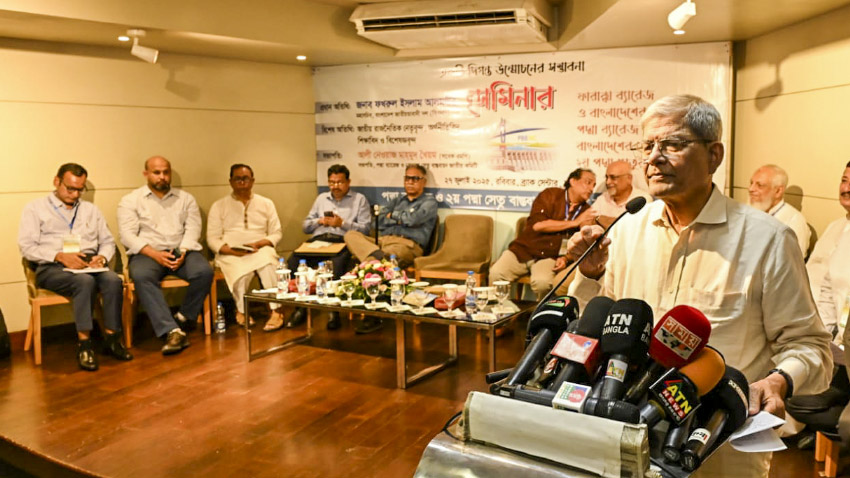
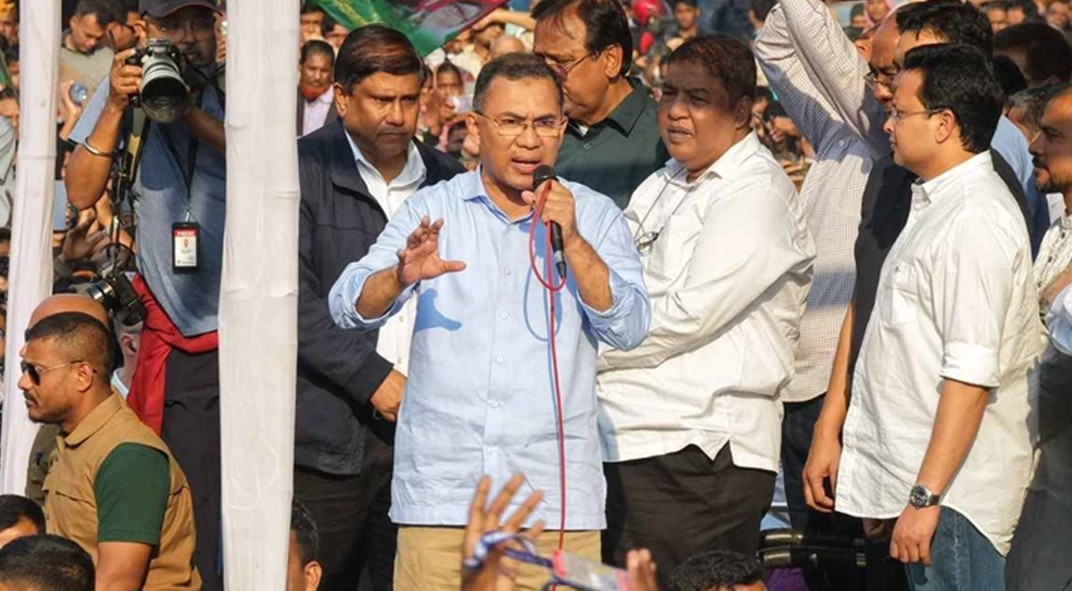
BNP Secretary General Mirza Fakhrul Islam Alamgir has underscored the urgent need for genuine democracy and political reform in Bangladesh, stressing that only a representative, accountable system can address the country’s deep-rooted problems.

Speaking at a seminar in Dhaka on Saturday, Fakhrul said the people of Bangladesh yearn for progress, stability, and meaningful change—and democracy is the only path to achieve that.

I can confidently say that the people of this country want change. They want to move forward, and they believe that a truly democratic system is the only way to resolve the pressing issues we face,” he said.

Fakhrul described the current political environment as a critical transitional period and urged unity among citizens, political groups, and institutions. He emphasized that a unique opportunity has emerged following what he called an unprecedented uprising by students and ordinary citizens that has opened the door for national unity.

“If we remain united and focused on the core challenges, we can bring about meaningful change. The recent shift in public sentiment is a sign that the people are ready,” he added.

Highlighting Bangladesh’s history of political struggle, from the Liberation War to ongoing resistance against authoritarianism, Fakhrul said the country is now at a turning point after what he described as the end of a 15-year-long oppressive regime.

Addressing recent discussions around reform, Fakhrul noted that the BNP has long advocated for structural change. He pointed to the party’s Vision 2030, introduced in 2016 under Khaleda Zia, as a roadmap for national transformation. He also cited 31 reform proposals unveiled in 2022 by Acting Chairman Tarique Rahman.

“As a party, we understand the changing needs of the people and the necessity of adapting state structures to meet those needs. Reforms are not just timely—they are essential,” he said.

The event, titled “The Necessity of Implementing Padma Barrage and Second Padma Bridge,” was organized by the National Committee on the Implementation of Padma Barrage and Second Padma Bridge and held at BRAC Centre Inn in Mohakhali.

Fakhrul strongly advocated for immediate political action on the long-delayed Padma Barrage and a second bridge over the Padma River, describing them as vital for the southern region and national development. He said millions are already affected by climate change, and such infrastructure is crucial to safeguard their livelihoods.

“These projects are not just about Faridpur or Rajbari—they concern the entire southern belt of Bangladesh. The people living there have waited long enough,” he said, adding that seven feasibility studies have been conducted but no firm decision has been taken.

He argued that political will is now the missing ingredient. “The demand must come from the people, and political leaders must respond with commitment,” he said, recalling that Khaleda Zia had pledged to build the second Padma Bridge years ago.

Prominent economists and specialists at the event echoed the need for strong political resolve but also urged careful planning. Economist Dr Debapriya Bhattacharya called for updated technical assessments before launching such large-scale infrastructure. He also pressed for the inclusion of river protection in political party manifestos.

Dr Debapriya further recommended that Bangladesh prepare to renegotiate the Ganges Water Sharing Treaty with India, which expires in 2026.

Former caretaker government adviser Dr Hossain Zillur Rahman emphasized the need for “courageous and competent leadership,” alongside skilled negotiators and transparent procedures, to ensure successful project execution. He proposed forming a working group to generate public support and government accountability.

Water resources and climate expert Dr Ainun Nishat warned that while constructing a second bridge is technically possible, it must be approached with extreme caution due to the unpredictability of the Padma River. He stressed that environmental concerns and river behavior must be central to planning.

“The southern region is already suffering the effects of climate change,” Dr Nishat said. “Any miscalculation could make the situation worse, so planning must be science-based and sensitive to ecological realities.”

As Bangladesh faces mounting pressure from environmental, political, and infrastructure challenges, Saturday’s seminar served as a reminder that long-term solutions demand both public engagement and decisive, democratic leadership.


Tag :

Write Your Comment

Your email address will not be published. Required fields are marked *

Save Your Email and Others Information

About Author Information

Fakhrul calls for democratic reforms, political unity to tackle challenges

Update Time : 08:05:05 pm, Sunday, 27 July 2025

BNP Secretary General Mirza Fakhrul Islam Alamgir has underscored the urgent need for genuine democracy and political reform in Bangladesh, stressing that only a representative, accountable system can address the country’s deep-rooted problems.

Speaking at a seminar in Dhaka on Saturday, Fakhrul said the people of Bangladesh yearn for progress, stability, and meaningful change—and democracy is the only path to achieve that.

I can confidently say that the people of this country want change. They want to move forward, and they believe that a truly democratic system is the only way to resolve the pressing issues we face,” he said.

Fakhrul described the current political environment as a critical transitional period and urged unity among citizens, political groups, and institutions. He emphasized that a unique opportunity has emerged following what he called an unprecedented uprising by students and ordinary citizens that has opened the door for national unity.

“If we remain united and focused on the core challenges, we can bring about meaningful change. The recent shift in public sentiment is a sign that the people are ready,” he added.

Highlighting Bangladesh’s history of political struggle, from the Liberation War to ongoing resistance against authoritarianism, Fakhrul said the country is now at a turning point after what he described as the end of a 15-year-long oppressive regime.

Addressing recent discussions around reform, Fakhrul noted that the BNP has long advocated for structural change. He pointed to the party’s Vision 2030, introduced in 2016 under Khaleda Zia, as a roadmap for national transformation. He also cited 31 reform proposals unveiled in 2022 by Acting Chairman Tarique Rahman.

“As a party, we understand the changing needs of the people and the necessity of adapting state structures to meet those needs. Reforms are not just timely—they are essential,” he said.

The event, titled “The Necessity of Implementing Padma Barrage and Second Padma Bridge,” was organized by the National Committee on the Implementation of Padma Barrage and Second Padma Bridge and held at BRAC Centre Inn in Mohakhali.

Fakhrul strongly advocated for immediate political action on the long-delayed Padma Barrage and a second bridge over the Padma River, describing them as vital for the southern region and national development. He said millions are already affected by climate change, and such infrastructure is crucial to safeguard their livelihoods.

“These projects are not just about Faridpur or Rajbari—they concern the entire southern belt of Bangladesh. The people living there have waited long enough,” he said, adding that seven feasibility studies have been conducted but no firm decision has been taken.

He argued that political will is now the missing ingredient. “The demand must come from the people, and political leaders must respond with commitment,” he said, recalling that Khaleda Zia had pledged to build the second Padma Bridge years ago.

Prominent economists and specialists at the event echoed the need for strong political resolve but also urged careful planning. Economist Dr Debapriya Bhattacharya called for updated technical assessments before launching such large-scale infrastructure. He also pressed for the inclusion of river protection in political party manifestos.

Dr Debapriya further recommended that Bangladesh prepare to renegotiate the Ganges Water Sharing Treaty with India, which expires in 2026.

Former caretaker government adviser Dr Hossain Zillur Rahman emphasized the need for “courageous and competent leadership,” alongside skilled negotiators and transparent procedures, to ensure successful project execution. He proposed forming a working group to generate public support and government accountability.

Water resources and climate expert Dr Ainun Nishat warned that while constructing a second bridge is technically possible, it must be approached with extreme caution due to the unpredictability of the Padma River. He stressed that environmental concerns and river behavior must be central to planning.

“The southern region is already suffering the effects of climate change,” Dr Nishat said. “Any miscalculation could make the situation worse, so planning must be science-based and sensitive to ecological realities.”

As Bangladesh faces mounting pressure from environmental, political, and infrastructure challenges, Saturday’s seminar served as a reminder that long-term solutions demand both public engagement and decisive, democratic leadership.