9:04 pm, Friday, 26 December 2025

Jamaat to sue govt if July Charter lacks legal basis: Taher

  • Reporter Name
  • Update Time : 10:35:16 pm, Thursday, 31 July 2025
  • 30 Time View

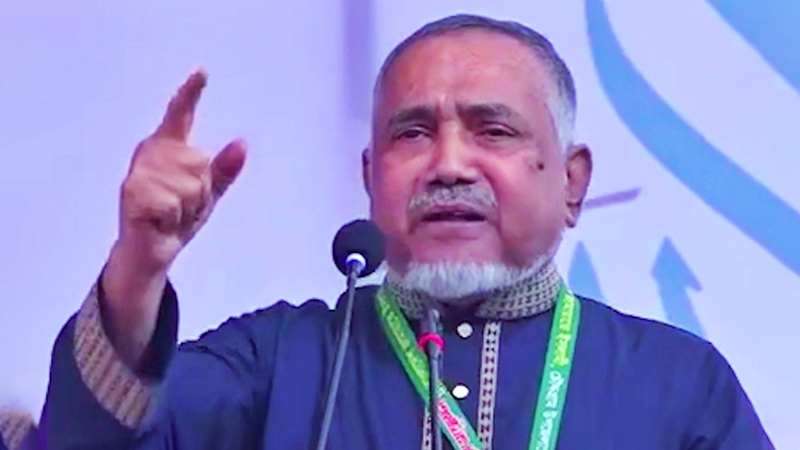
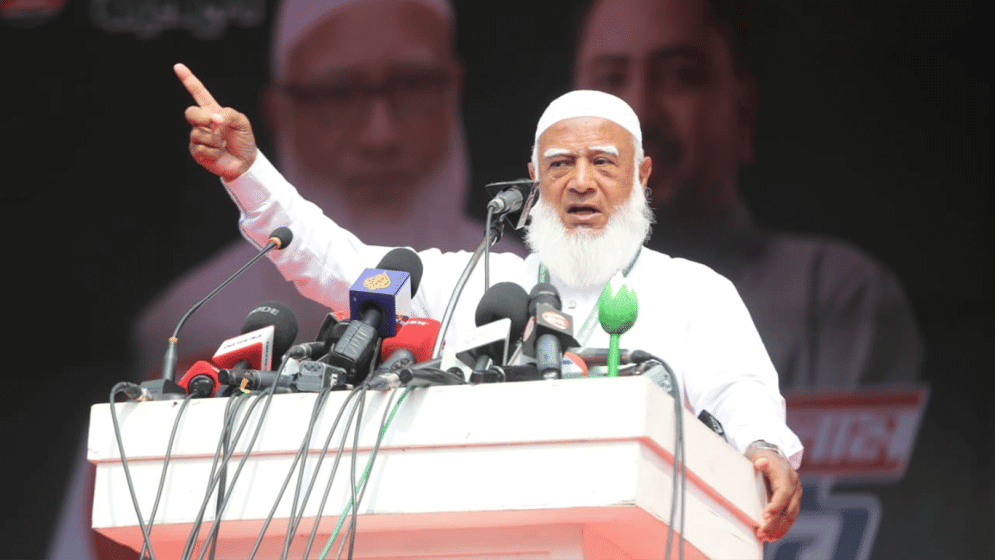
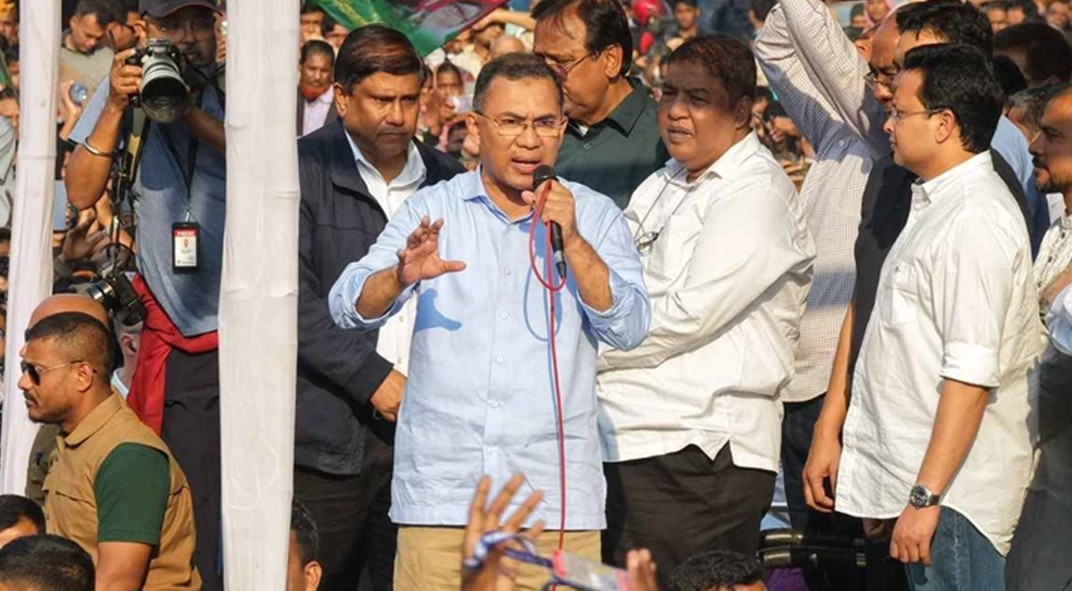
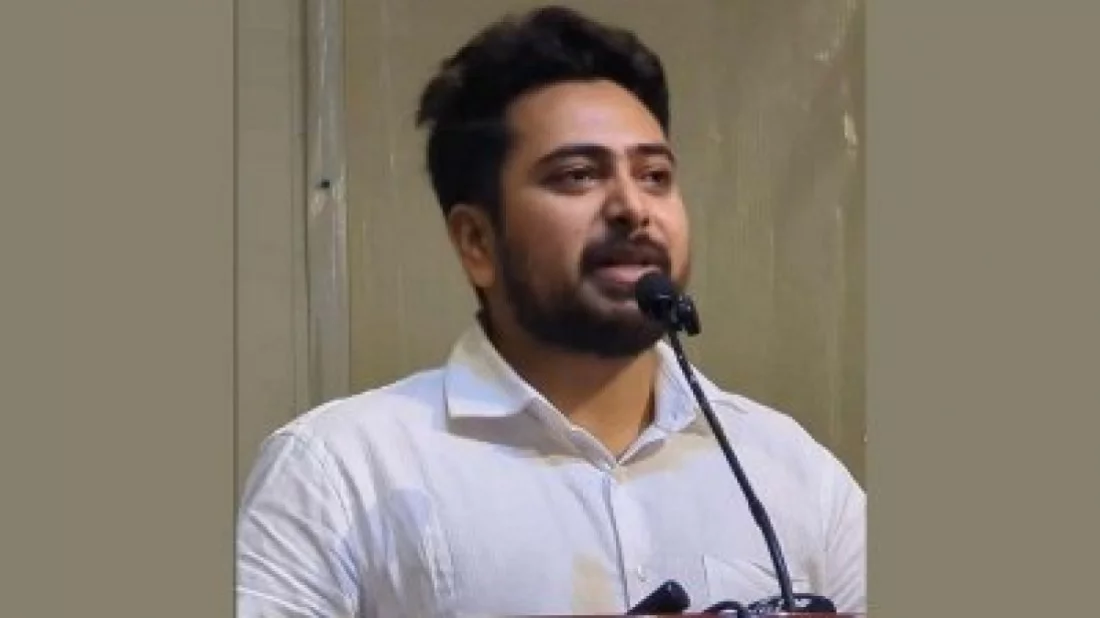
Syed Abdullah Mohammad Taher, Nayeb-e-Ameer of Bangladesh Jamaat-e-Islami, has warned that the party will take legal action against the government and the National Consensus Commission if the July Charter is not given a legal foundation.

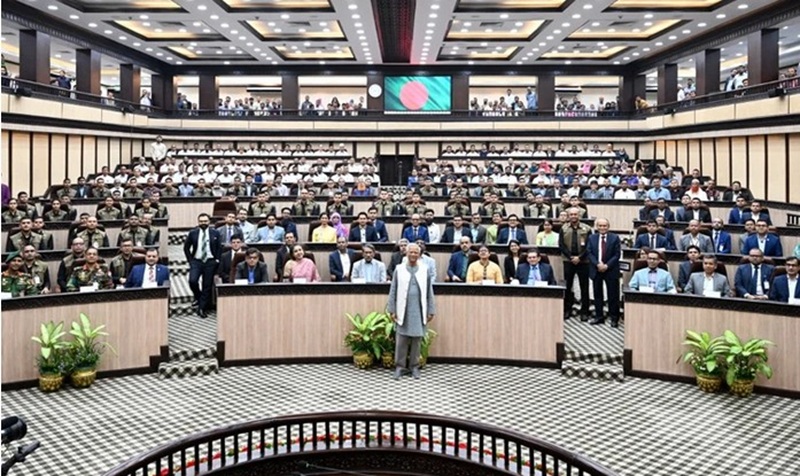
Speaking to reporters during a break in the ongoing 23-day second phase of the national dialogue at the Foreign Service Academy on Thursday, Taher said, “BNP claims the charter lacks legal validity. But we believe promises alone aren’t enough. Without legal backing, this charter will be meaningless. If that doesn’t happen, we will file a compensation lawsuit against the government and the commission.”

He made it clear that Jamaat will not sign the charter without proper legal validation.

Referring to the time and effort invested in the dialogue, Taher said, “We’ve worked hard, and the media has covered it extensively. But if it’s not implemented, it will all be in vain. Without enforcement, even an oath carries no weight. Implementation is key.”

He stressed that the charter must be given legal legitimacy “within the tenure of this government,” and added, “It can start from tomorrow if the will exists.”

Taher noted an increase in dissenting opinions during the dialogue session, calling it a healthy part of democratic debate. “We saw more ‘notes of dissent’ today than in the previous 22 days combined. That’s part of democracy. Anyone can say ‘no,’ but majority opinion gives legitimacy.”

He accused some actors of deliberately misleading the public, saying, “Those who claim legal validity can’t be granted now are simply trying to confuse the nation. There are alternatives, there are precedents.”

Taher reiterated, “Without legal backing, signing the charter is meaningless. Signing or not signing would be the same. If the next government doesn’t act on it, we’ll consider this reform process incomplete. Without implementation, it becomes a farce.”

He urged the government and the commission to take immediate steps to fulfill their promises, warning, “We won’t allow any more deception with the nation.”

On institutional reform, Taher reiterated Jamaat’s longstanding demand for a bicameral legislature—a lower “House of the Elect” and an upper “House of the Peer”—to restore balance in governance. Citing the 54-year history of partisan capture, electoral fraud, and voter suppression, he argued, “This system has led to a culture of manipulation. A second chamber, as practiced in over 90 countries, could help restore democratic checks and balances.”

Taher added that the upper house, modeled on global examples across Africa, Europe, the Americas, and Asia, is not a luxury but a global democratic standard. “Even poor and newly emerging democracies are adopting it. We’ve made it clear—Jamaat supports the ‘Peer’ system, and so do most other parties.”

He concluded by saying, “The upper house would serve as a guiding and controlling body, while the lower house would continue to draft legislation. It’s not just our view—it’s a necessary balance of authority.”


Tag :

Write Your Comment

Your email address will not be published. Required fields are marked *

Save Your Email and Others Information

About Author Information

Jamaat to sue govt if July Charter lacks legal basis: Taher

Update Time : 10:35:16 pm, Thursday, 31 July 2025

Syed Abdullah Mohammad Taher, Nayeb-e-Ameer of Bangladesh Jamaat-e-Islami, has warned that the party will take legal action against the government and the National Consensus Commission if the July Charter is not given a legal foundation.

Speaking to reporters during a break in the ongoing 23-day second phase of the national dialogue at the Foreign Service Academy on Thursday, Taher said, “BNP claims the charter lacks legal validity. But we believe promises alone aren’t enough. Without legal backing, this charter will be meaningless. If that doesn’t happen, we will file a compensation lawsuit against the government and the commission.”

He made it clear that Jamaat will not sign the charter without proper legal validation.

Referring to the time and effort invested in the dialogue, Taher said, “We’ve worked hard, and the media has covered it extensively. But if it’s not implemented, it will all be in vain. Without enforcement, even an oath carries no weight. Implementation is key.”

He stressed that the charter must be given legal legitimacy “within the tenure of this government,” and added, “It can start from tomorrow if the will exists.”

Taher noted an increase in dissenting opinions during the dialogue session, calling it a healthy part of democratic debate. “We saw more ‘notes of dissent’ today than in the previous 22 days combined. That’s part of democracy. Anyone can say ‘no,’ but majority opinion gives legitimacy.”

He accused some actors of deliberately misleading the public, saying, “Those who claim legal validity can’t be granted now are simply trying to confuse the nation. There are alternatives, there are precedents.”

Taher reiterated, “Without legal backing, signing the charter is meaningless. Signing or not signing would be the same. If the next government doesn’t act on it, we’ll consider this reform process incomplete. Without implementation, it becomes a farce.”

He urged the government and the commission to take immediate steps to fulfill their promises, warning, “We won’t allow any more deception with the nation.”

On institutional reform, Taher reiterated Jamaat’s longstanding demand for a bicameral legislature—a lower “House of the Elect” and an upper “House of the Peer”—to restore balance in governance. Citing the 54-year history of partisan capture, electoral fraud, and voter suppression, he argued, “This system has led to a culture of manipulation. A second chamber, as practiced in over 90 countries, could help restore democratic checks and balances.”

Taher added that the upper house, modeled on global examples across Africa, Europe, the Americas, and Asia, is not a luxury but a global democratic standard. “Even poor and newly emerging democracies are adopting it. We’ve made it clear—Jamaat supports the ‘Peer’ system, and so do most other parties.”

He concluded by saying, “The upper house would serve as a guiding and controlling body, while the lower house would continue to draft legislation. It’s not just our view—it’s a necessary balance of authority.”