4:54 am, Tuesday, 2 December 2025

July declaration stands above law: Salahuddin

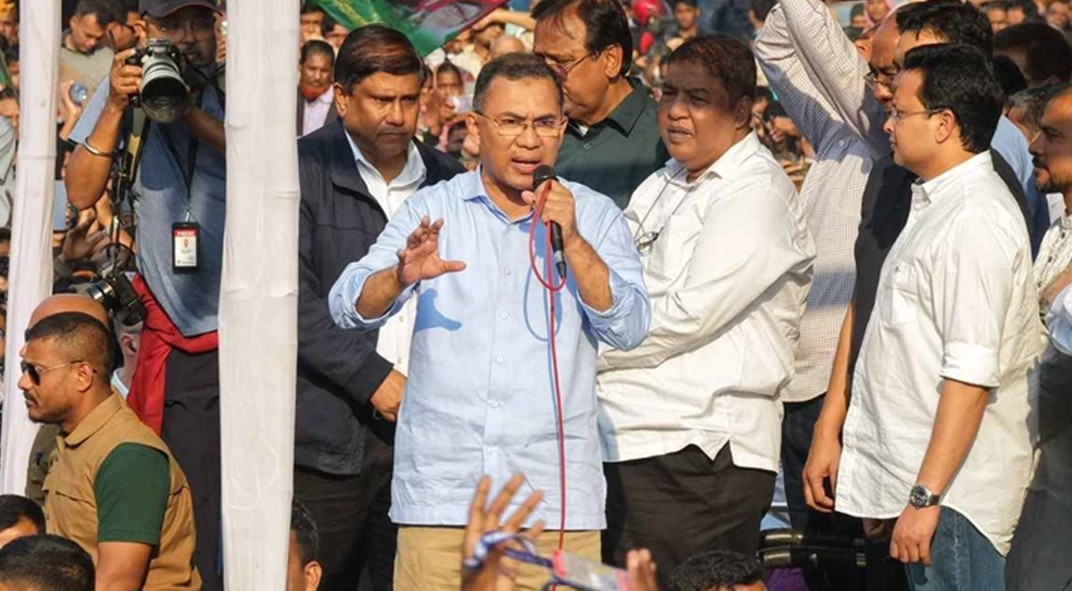
BNP Standing Committee member Salahuddin Ahmed has asserted that July Declaration transcends legal provisions and reflects the sovereign will of the people.

While other parties demand legal grounding for the document, Salahuddin emphasized that public legitimacy gives the declaration its supreme authority.

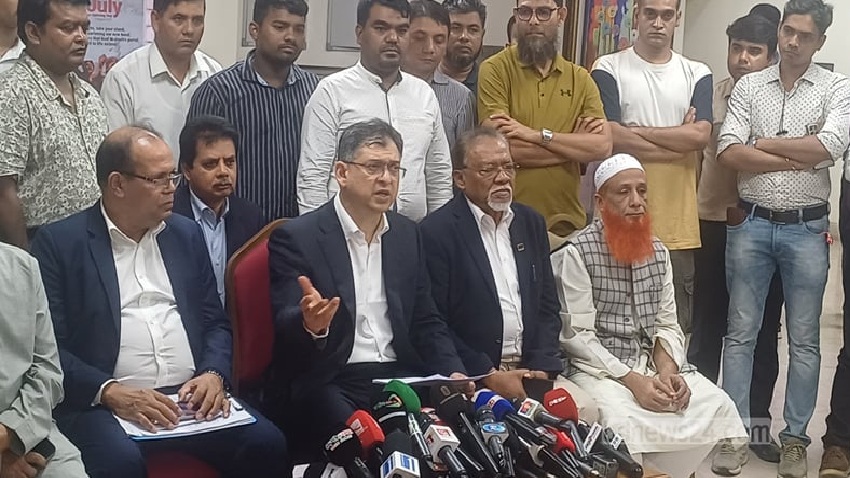
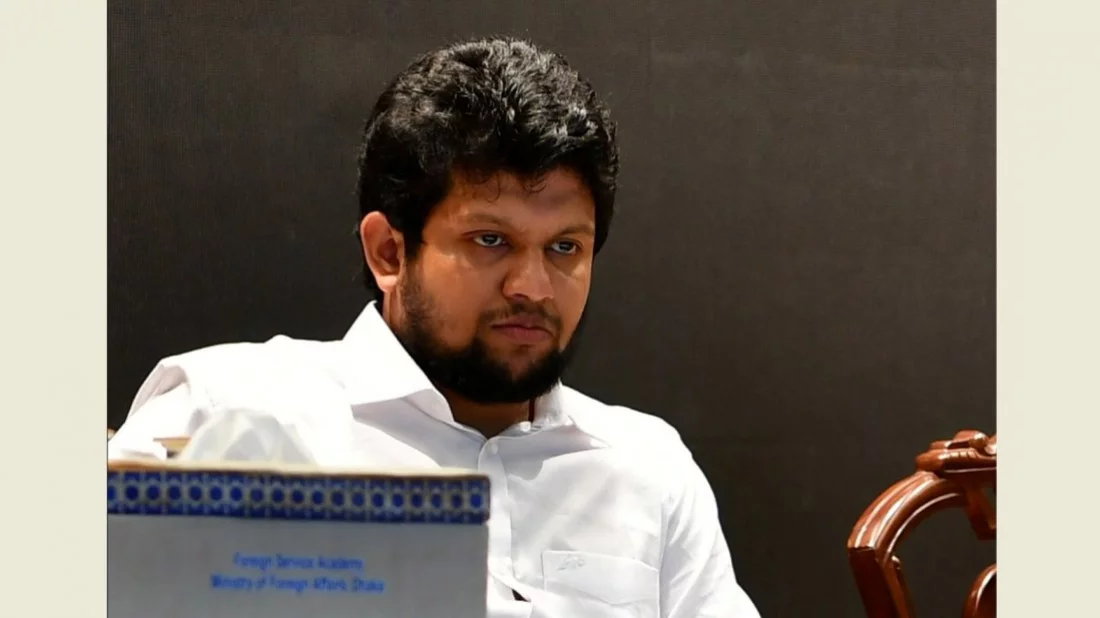
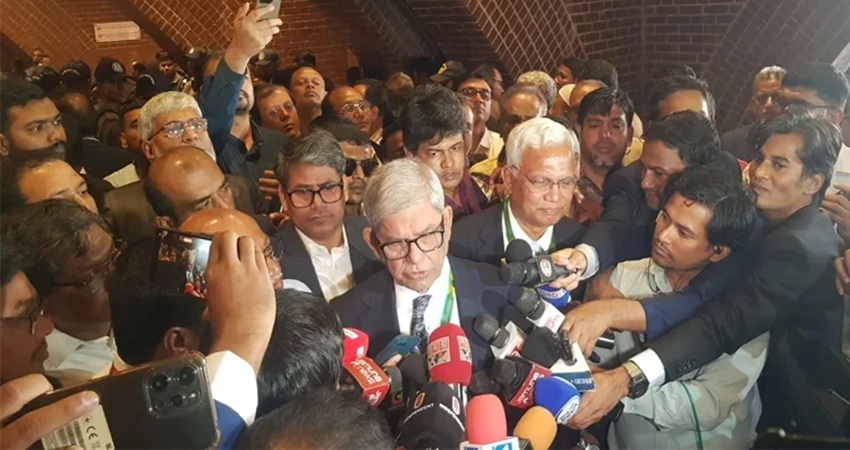
Speaking on Thursday during a break in the 23rd day of National Consensus Commission’s dialogue at Foreign Service Academy in Dhaka, Salahuddin clarified BNP’s position on constitutional amendments, parliamentary reforms and the role of a proposed upper house.

He noted that BNP does not seek constitutional amendment powers for upper house of parliament. “Amendments must remain within the purview of the directly elected lower house,” he said, adding that the upper house; whose members are expected to be indirectly elected under a proposed Proportional Representation (PR) system, should only serve as a reviewing and recommending body.

Salahuddin stressed that allowing indirectly elected members to alter the constitution would violate democratic principles.

He also questioned the idea of concentrating such power in upper house under the guise of making constitutional amendments more difficult.

Although the Commission has proposed a 100-member upper chamber formed through PR and requiring a two-thirds majority in both houses for constitutional amendments, BNP has formally submitted a “note of dissent.”

On the issue of indirectly elected women MPs already participating in constitutional amendment bills, Salahuddin argued that their inclusion is legitimate as they are part of the existing parliament.

However, that does not justify giving similar powers to a fully indirect upper house.

He clarified that BNP supports legislative collaboration between the two houses but insists final decisions must rest with the lower house.

“We propose a model where both chambers pass laws jointly, but constitutional amendments must be finalized only by the lower house,” he said. “We categorically reject the idea of constitutional amendments through upper house.”

Commenting on the demand for legal backing for July Declaration by other parties, Salahuddin said BNP had proposed only textual amendments but fully agrees with the declaration’s core commitments; particularly its timeline of implementation within two years of government formation and its pledge to reform laws, the constitution and rules as necessary.

He argued that since all parties will be signatories to the declaration, it will reflect “the sovereign will of the people” and therefore does not require prior legal approval.

“This is a matter of public legitimacy, which stands above legal technicalities,” he said, adding that BNP will ensure constitutional recognition of the declaration by incorporating it into the Fourth Schedule of the Constitution.

On Article 70 of the Constitution, which restricts MPs from voting independently, Salahuddin noted that BNP had earlier proposed an exception for the presidential election.

This proposal has now been accepted, meaning MPs will be free to vote by secret ballot without party constraints. If a bicameral parliament is established, members from both houses will participate in the presidential election by secret ballot.

Salahuddin also confirmed that BNP supports increasing the powers of the President as part of broader institutional reforms.


Tag :

Write Your Comment

Your email address will not be published. Required fields are marked *

Save Your Email and Others Information

About Author Information

July declaration stands above law: Salahuddin

Update Time : 10:40:13 pm, Thursday, 31 July 2025

BNP Standing Committee member Salahuddin Ahmed has asserted that July Declaration transcends legal provisions and reflects the sovereign will of the people.

While other parties demand legal grounding for the document, Salahuddin emphasized that public legitimacy gives the declaration its supreme authority.

Speaking on Thursday during a break in the 23rd day of National Consensus Commission’s dialogue at Foreign Service Academy in Dhaka, Salahuddin clarified BNP’s position on constitutional amendments, parliamentary reforms and the role of a proposed upper house.

He noted that BNP does not seek constitutional amendment powers for upper house of parliament. “Amendments must remain within the purview of the directly elected lower house,” he said, adding that the upper house; whose members are expected to be indirectly elected under a proposed Proportional Representation (PR) system, should only serve as a reviewing and recommending body.

Salahuddin stressed that allowing indirectly elected members to alter the constitution would violate democratic principles.

He also questioned the idea of concentrating such power in upper house under the guise of making constitutional amendments more difficult.

Although the Commission has proposed a 100-member upper chamber formed through PR and requiring a two-thirds majority in both houses for constitutional amendments, BNP has formally submitted a “note of dissent.”

On the issue of indirectly elected women MPs already participating in constitutional amendment bills, Salahuddin argued that their inclusion is legitimate as they are part of the existing parliament.

However, that does not justify giving similar powers to a fully indirect upper house.

He clarified that BNP supports legislative collaboration between the two houses but insists final decisions must rest with the lower house.

“We propose a model where both chambers pass laws jointly, but constitutional amendments must be finalized only by the lower house,” he said. “We categorically reject the idea of constitutional amendments through upper house.”

Commenting on the demand for legal backing for July Declaration by other parties, Salahuddin said BNP had proposed only textual amendments but fully agrees with the declaration’s core commitments; particularly its timeline of implementation within two years of government formation and its pledge to reform laws, the constitution and rules as necessary.

He argued that since all parties will be signatories to the declaration, it will reflect “the sovereign will of the people” and therefore does not require prior legal approval.

“This is a matter of public legitimacy, which stands above legal technicalities,” he said, adding that BNP will ensure constitutional recognition of the declaration by incorporating it into the Fourth Schedule of the Constitution.

On Article 70 of the Constitution, which restricts MPs from voting independently, Salahuddin noted that BNP had earlier proposed an exception for the presidential election.

This proposal has now been accepted, meaning MPs will be free to vote by secret ballot without party constraints. If a bicameral parliament is established, members from both houses will participate in the presidential election by secret ballot.

Salahuddin also confirmed that BNP supports increasing the powers of the President as part of broader institutional reforms.