Dhaka Bureau :
The Bangladesh Army has clarified that no lethal weapons were used during the recent unrest in Gopalganj and its actions were solely aimed at ensuring the safety of citizens; not to support any political group.
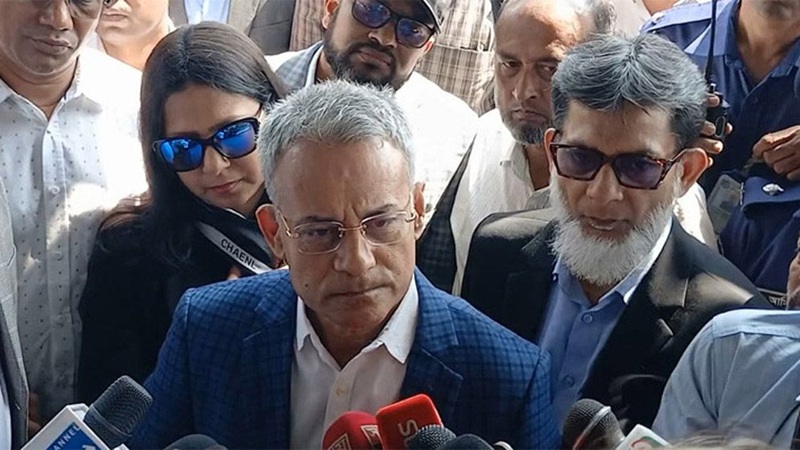
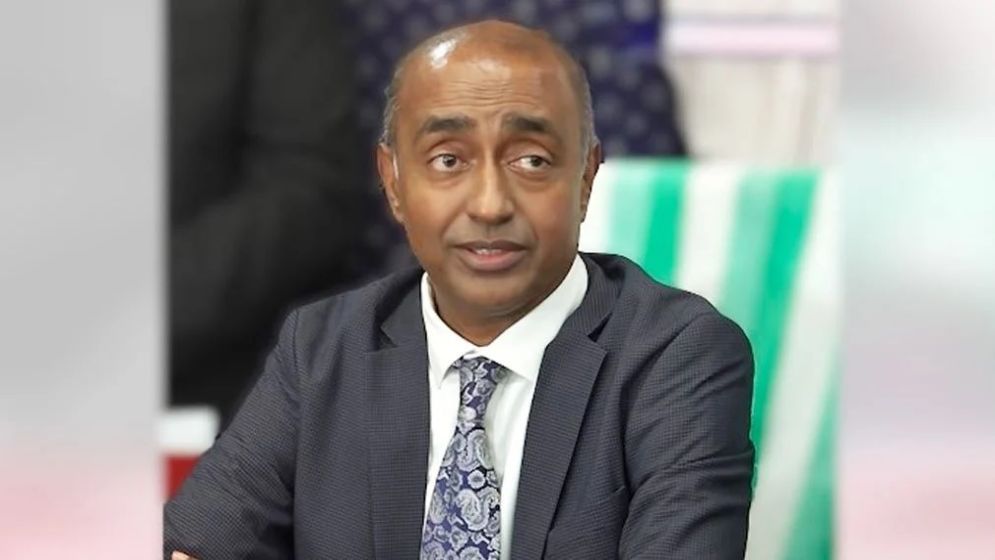
Speaking at a press briefing on Thursday afternoon at the Officers’ Mess ‘A’ in Dhaka Cantonment, Colonel Shafiqul Islam, Colonel Staff of Military Operations Directorate, addressed questions from journalists regarding the recent law and order situation, including developments in Chittagong Hill Tracts and the violent incidents in Gopalganj.
He firmly denied any political favouritism, stating, “We do not treat any party differently. Everyone is equal in the eyes of the army. In Gopalganj, our intervention was necessary to prevent potential mass casualties. Our focus was on saving lives, not on siding with any political group.”
Referring to July 16 violence in Gopalganj, where Jatiya Nagorik Party (NCP) activists came under repeated attacks, Colonel Shafiqul said that tensions escalated with thrown bricks, stones and even homemade explosives (cocktails).
“When there’s a direct threat to life, we are compelled to act. But let me be clear; no lethal weapons were used,” he emphasized.
He further clarified that permission for public rallies falls under local administration, not the army. “We were not formally informed of any NCP rally in advance. We stepped in only when the situation risked spiralling out of control,” he explained.
The clashes on July 16 resulted in a full day of violence, including cocktail explosions, police confrontations and gunfire. At least four people, including a Jubo League member, were killed and over a hundred; among them police and journalists, were injured. One more person later died while undergoing treatment.
In response to allegations that an army major was involved in training Awami League activists, Colonel Shafiqul Islam confirmed that an internal investigation is underway and findings will be disclosed upon completion.
On the security situation in Chittagong Hill Tracts, he acknowledged the presence of armed groups such as Kuki-Chin and Arakan Army and said that the army continues operations in the region.
“We provide protection and conduct missions. Where needed, we establish temporary operational bases,” he noted.
Regarding broader operations, the army official stated, “To date, we have arrested 5,576 individuals involved in drug trafficking and extortion. Greater success can be achieved if all law enforcement agencies work in coordination. We remain active and committed.”