5:39 pm, Thursday, 15 January 2026

US tariff cut on Bangladeshi goods a satisfactory development: Amir Khosru

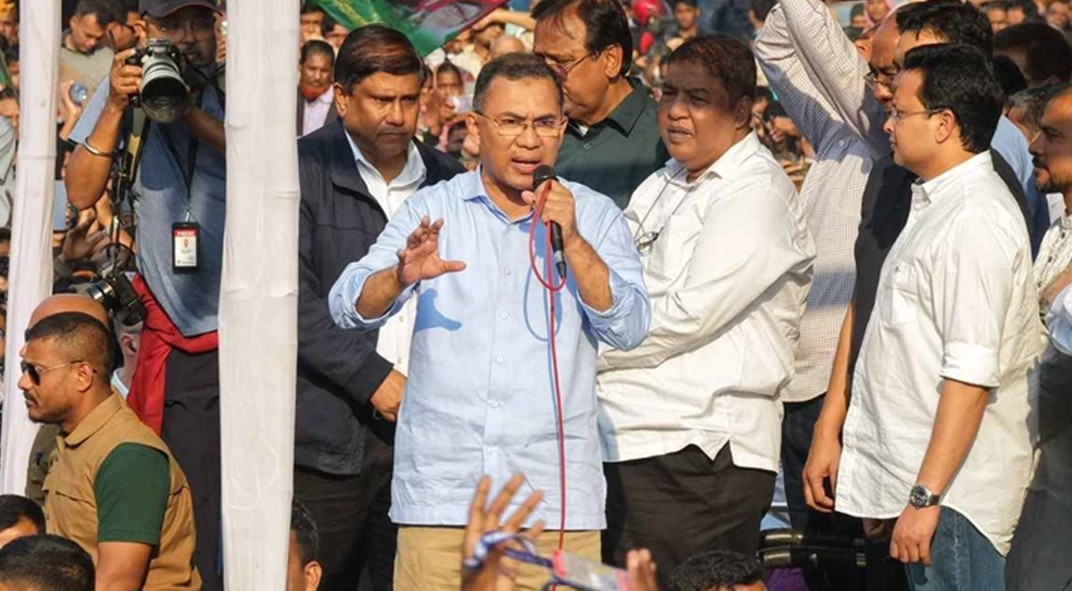
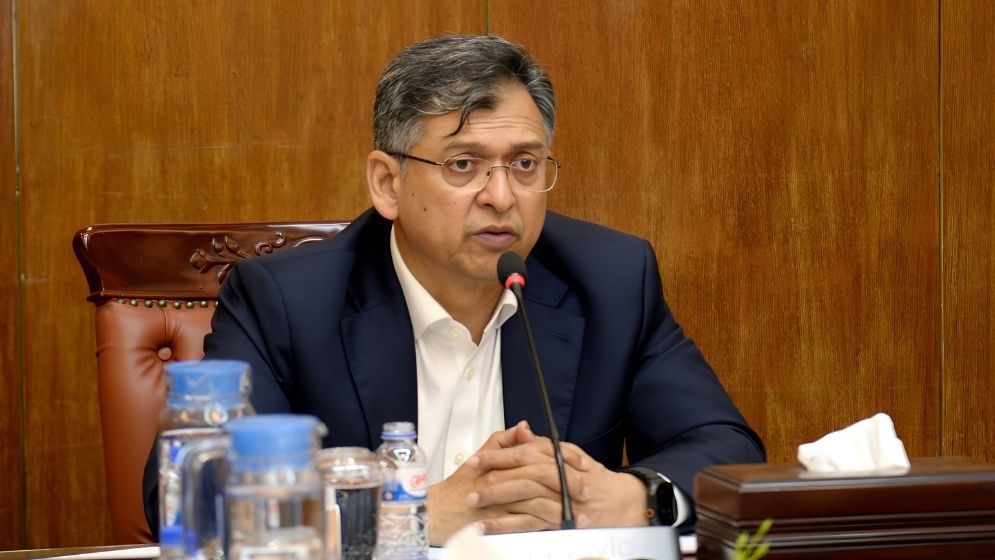
BNP Standing Committee Member and former Commerce Minister Amir Khosru Mahmud Chowdhury has termed the recent US decision to slash import tariffs on Bangladeshi goods—from 35% to 20%—a “satisfactory development” for the country’s export sector, especially in light of global competition.

Speaking to reporters on Friday, Khosru said the revised tariff brings Bangladesh in line with key export competitors like Vietnam (20%) and Pakistan (19%), while India remains at a higher 25% rate. “When we consider competition, the 20% rate seems reasonable. So, this is satisfactory,” said the BNP leader.

However, Khosru stressed that the full implications of the deal are not yet clear, noting that only the tariff figure has been made public, while the terms of the broader negotiation package remain undisclosed.

“It’s not just about how much the tariff was reduced. There were other talks—what the Americans demanded, what Bangladesh may have agreed to in return. Until those details come out, we can’t fully assess the deal.”

The US government confirmed the new tariff rate on Friday following high-level negotiations between Bangladeshi officials and the Office of the United States Trade Representative (USTR). The decision is expected to boost Bangladesh’s ready-made garment (RMG) exports, a key pillar of the country’s economy.

When asked whether the Bangladesh Commerce Ministry’s recent move to purchase 25 Boeing aircraft from the US was linked to the tariff negotiations, Khosru denied any direct connection but acknowledged that “something had to be done” to secure economic reciprocity.

“The tariff issue is about the US protecting its export interests. There may be broader trade-offs involved.”He also urged the interim government to publicly release the full background and commitments tied to the tariff reduction.

“We export to many countries, not just America. We must consider the broader trade environment to know where we truly stand.”
Khosru emphasized the need for Bangladesh to diversify both its export markets and product base, warning against an overdependence on the US.

“We need to expand our exports to new destinations and with new product lines. That’s one of the biggest economic challenges ahead.”
Although cautious, Khosru acknowledged that Bangladeshi exporters may feel temporary relief, particularly in the garment sector, which accounts for over 80% of the country’s total exports. At this point, the 20% tariff is not harmful. It gives our exporters breathing space—but it’s not the end of the story.”

Tag :

Write Your Comment

Your email address will not be published. Required fields are marked *

Save Your Email and Others Information

About Author Information

US tariff cut on Bangladeshi goods a satisfactory development: Amir Khosru

Update Time : 10:08:13 pm, Friday, 1 August 2025

BNP Standing Committee Member and former Commerce Minister Amir Khosru Mahmud Chowdhury has termed the recent US decision to slash import tariffs on Bangladeshi goods—from 35% to 20%—a “satisfactory development” for the country’s export sector, especially in light of global competition.

Speaking to reporters on Friday, Khosru said the revised tariff brings Bangladesh in line with key export competitors like Vietnam (20%) and Pakistan (19%), while India remains at a higher 25% rate. “When we consider competition, the 20% rate seems reasonable. So, this is satisfactory,” said the BNP leader.

However, Khosru stressed that the full implications of the deal are not yet clear, noting that only the tariff figure has been made public, while the terms of the broader negotiation package remain undisclosed.

“It’s not just about how much the tariff was reduced. There were other talks—what the Americans demanded, what Bangladesh may have agreed to in return. Until those details come out, we can’t fully assess the deal.”

The US government confirmed the new tariff rate on Friday following high-level negotiations between Bangladeshi officials and the Office of the United States Trade Representative (USTR). The decision is expected to boost Bangladesh’s ready-made garment (RMG) exports, a key pillar of the country’s economy.

When asked whether the Bangladesh Commerce Ministry’s recent move to purchase 25 Boeing aircraft from the US was linked to the tariff negotiations, Khosru denied any direct connection but acknowledged that “something had to be done” to secure economic reciprocity.

“The tariff issue is about the US protecting its export interests. There may be broader trade-offs involved.”He also urged the interim government to publicly release the full background and commitments tied to the tariff reduction.

“We export to many countries, not just America. We must consider the broader trade environment to know where we truly stand.”
Khosru emphasized the need for Bangladesh to diversify both its export markets and product base, warning against an overdependence on the US.

“We need to expand our exports to new destinations and with new product lines. That’s one of the biggest economic challenges ahead.”
Although cautious, Khosru acknowledged that Bangladeshi exporters may feel temporary relief, particularly in the garment sector, which accounts for over 80% of the country’s total exports. At this point, the 20% tariff is not harmful. It gives our exporters breathing space—but it’s not the end of the story.”