Reporter Name
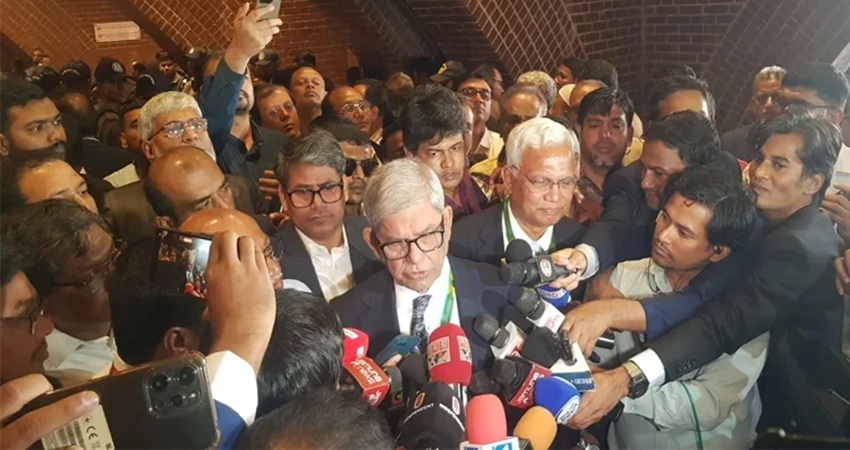
BNP Standing Committee member Amir Khosru Mahmud Chowdhury has called on the interim government to abandon the fiscal framework left behind by the ousted Awami League government and introduce an independent, short-term budget reflecting its own priorities.
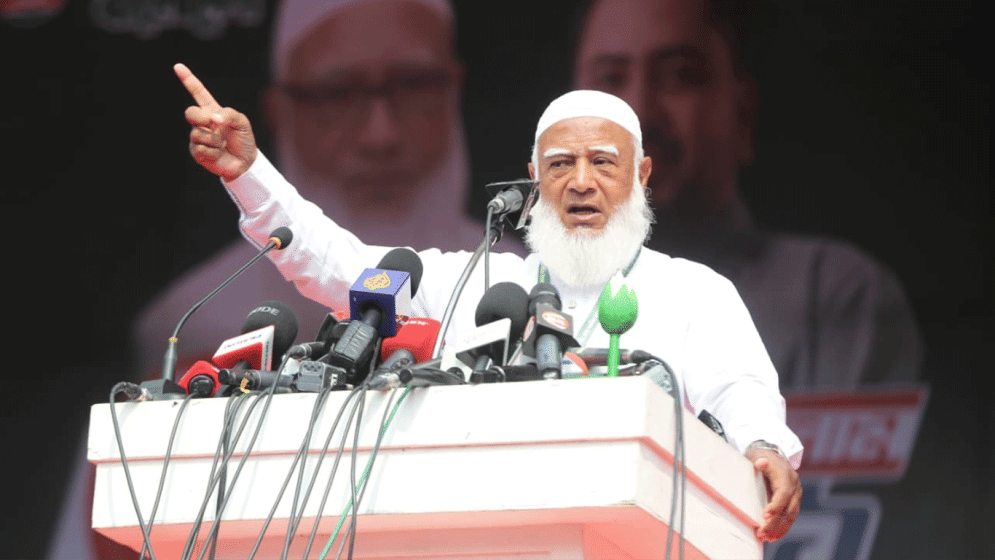
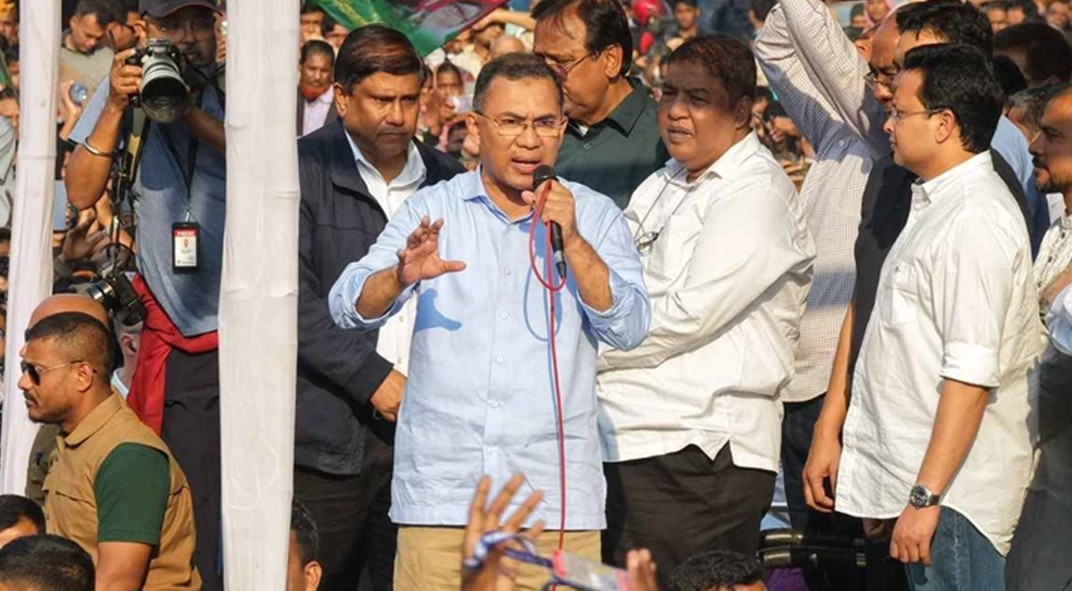
Speaking at a dialogue hosted by the Centre for Policy Dialogue (CPD) in Dhaka on Sunday to mark the first anniversary of the interim government, Khosru said there was no reason to carry forward what he described as a “fascist-style” budget.
He argued that the fall of the previous regime had sparked a fundamental shift in public sentiment, warning that political parties or leaders who fail to recognise this transformation risk becoming irrelevant. “If open discussions continue, many of our challenges will resolve naturally,” he said, stressing the need to move away from Bangladesh’s entrenched confrontational politics.
Khosru urged political actors to abandon personal attacks and embrace a culture of listening and tolerance. “Democracy is about hearing different views and respecting them. Without changing our political culture, reform will remain out of reach,” he said, noting that countries holding swift elections after political upheaval tend to prosper, while delays often breed internal conflict.
Describing the interim administration’s main role as restoring democracy and returning power to the people, Khosru welcomed efforts to build political consensus despite ideological differences. However, he cautioned that any imposed change would be unsustainable.
On the economic front, he acknowledged that investment has remained stagnant during the interim government’s tenure but stressed that this was a long-standing issue. Bangladesh’s low investment ranking, he said, could only improve through “serious deregulation and genuine economic liberalisation.”
Khosru urged the government to offload responsibilities to the private sector and empower trade bodies to take over certain functions. He warned that excessive regulation fuels corruption and argued that curbing graft requires reducing direct government involvement in business. “The economy must be democratised with the participation of all,” he concluded.