11:39 am, Friday, 16 January 2026

Employment only exists in name: Sakhawat

  • Reporter Name
  • Update Time : 12:00:49 am, Monday, 11 August 2025
  • 68 Time View

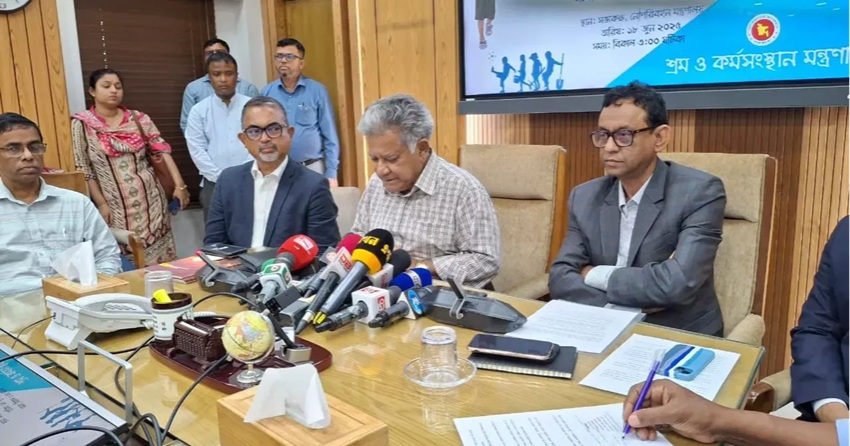
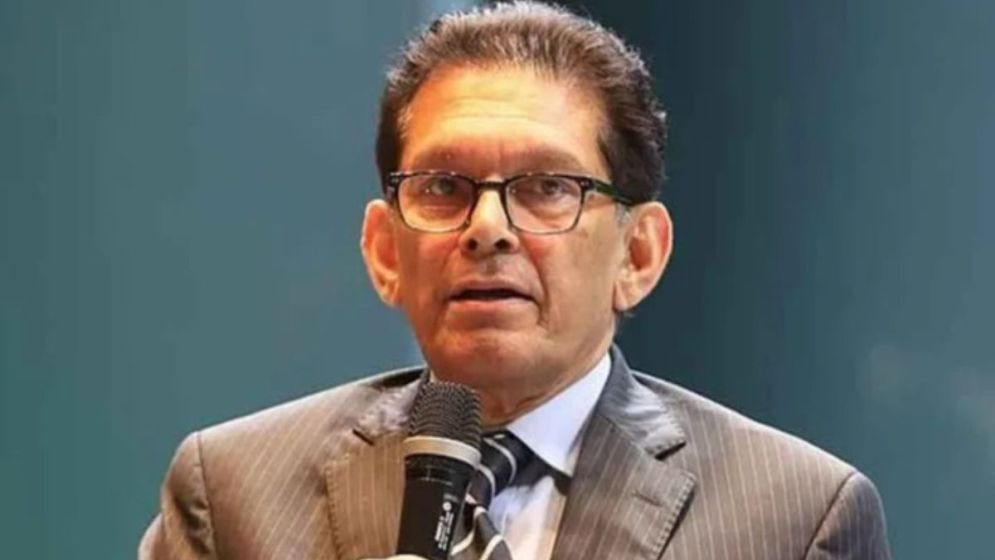
Labour and Employment Adviser Brigadier General (Retd) Dr M Sakhawat Hossain has strongly criticised the lack of meaningful initiatives in employment generation under Ministry of Labour and Employment, stating that the term “employment” is present only in the ministry’s name, with no practical work being done in that regard.

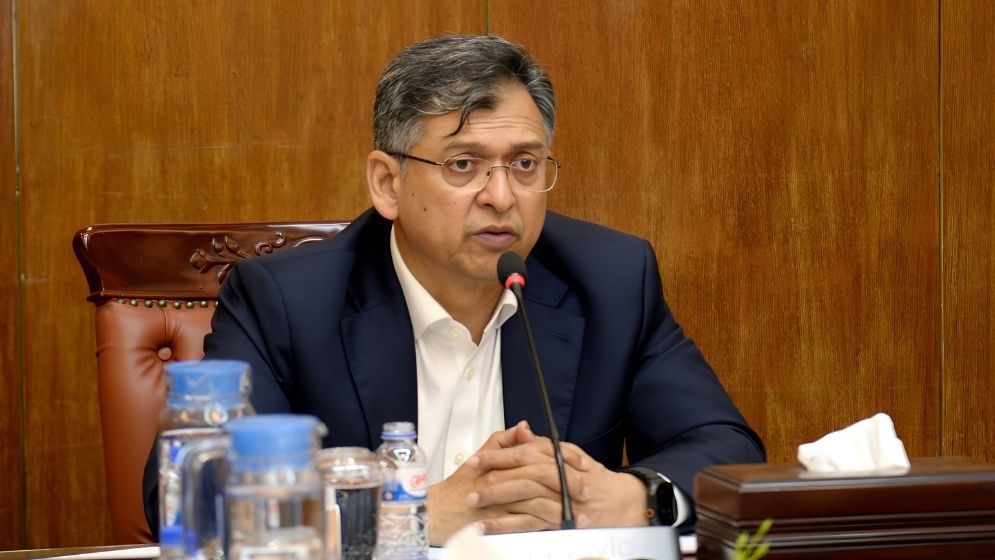
Speaking at a seminar titled “365 Days of the Interim Government” organised by the Centre for Policy Dialogue (CPD), Sakhawat said, “In the Labour and Employment Ministry, the word ‘employment’ exists only on paper—there is no actual effort behind it.”

Drawing on his own experience in office, he recounted how attempts to create employment initiatives were obstructed by bureaucratic red tape.
“When I tried to move forward with employment-related activities, I immediately ran into the harsh reality of a slow, rigid bureaucracy. Files wouldn’t move unless someone personally escorted them,” he said, adding, “At this pace, nothing substantial can be achieved within a year.”

He also expressed frustration with administrative reshuffling during his tenure, revealing that he was reassigned to four different ministries, making it difficult to complete any long-term initiatives.

Reflecting on his time at Ministry of Home Affairs following the July 2024 student-led uprising, Sakhawat noted the challenges in restoring police operations. “I spent days meeting with police officers to convince them to return to duty. But even now, the force lacks capacity and no structural reform has taken place.”

He also raised concerns about the collapse of large businesses such as Beximco, which employed nearly 38,000 people, calling it a major blow to the labour sector. “In one case, a company took Tk 48,000 crore in loans from 16 banks, with Tk 24,000 crore from Janata Bank alone, and then vanished. No other country has seen such a scandal involving a state-owned bank.”

On labour rights and international pressure, Sakhawat highlighted the significance of a recent visit from the International Labour Organization (ILO). “When ILO visits a country over workers’ rights issues, it signals serious risk to its export market. One misstep could collapse the entire sector. There was no room for arrogance; we had to take their concerns seriously.”

Turning to the plight of tea garden workers, the adviser painted a grim picture. “Despite claims of development, nothing has been done for tea workers. Women have no access to toilets, many suffer from cervical cancer, and some large estates lack even a single tube well for drinking water.”

He challenged the notion that high-profile infrastructure projects reflect genuine national progress. “Having metro rails and expressways doesn’t mean development is inclusive. Real progress happens when its benefits reach the most marginalised.”

When asked whether the interim government had failed over the past year, Sakhawat replied that the blame could not lie with the government alone. “Many stakeholders who were expected to help, chose inaction. Still, we kept our doors open.”

He also defended the government’s approach to criticism. “Unlike before, when labour leaders were jailed or disappeared for dissent, we released 41 such prisoners. People are now speaking out freely, and the government is listening.”

Sakhawat’s remarks highlight the deep structural and administrative challenges the interim government faces—particularly in addressing labour rights, employment generation and systemic corruption.

Tag :

Write Your Comment

Your email address will not be published. Required fields are marked *

Save Your Email and Others Information

About Author Information

Employment only exists in name: Sakhawat

Update Time : 12:00:49 am, Monday, 11 August 2025

Labour and Employment Adviser Brigadier General (Retd) Dr M Sakhawat Hossain has strongly criticised the lack of meaningful initiatives in employment generation under Ministry of Labour and Employment, stating that the term “employment” is present only in the ministry’s name, with no practical work being done in that regard.

Speaking at a seminar titled “365 Days of the Interim Government” organised by the Centre for Policy Dialogue (CPD), Sakhawat said, “In the Labour and Employment Ministry, the word ‘employment’ exists only on paper—there is no actual effort behind it.”

Drawing on his own experience in office, he recounted how attempts to create employment initiatives were obstructed by bureaucratic red tape.
“When I tried to move forward with employment-related activities, I immediately ran into the harsh reality of a slow, rigid bureaucracy. Files wouldn’t move unless someone personally escorted them,” he said, adding, “At this pace, nothing substantial can be achieved within a year.”

He also expressed frustration with administrative reshuffling during his tenure, revealing that he was reassigned to four different ministries, making it difficult to complete any long-term initiatives.

Reflecting on his time at Ministry of Home Affairs following the July 2024 student-led uprising, Sakhawat noted the challenges in restoring police operations. “I spent days meeting with police officers to convince them to return to duty. But even now, the force lacks capacity and no structural reform has taken place.”

He also raised concerns about the collapse of large businesses such as Beximco, which employed nearly 38,000 people, calling it a major blow to the labour sector. “In one case, a company took Tk 48,000 crore in loans from 16 banks, with Tk 24,000 crore from Janata Bank alone, and then vanished. No other country has seen such a scandal involving a state-owned bank.”

On labour rights and international pressure, Sakhawat highlighted the significance of a recent visit from the International Labour Organization (ILO). “When ILO visits a country over workers’ rights issues, it signals serious risk to its export market. One misstep could collapse the entire sector. There was no room for arrogance; we had to take their concerns seriously.”

Turning to the plight of tea garden workers, the adviser painted a grim picture. “Despite claims of development, nothing has been done for tea workers. Women have no access to toilets, many suffer from cervical cancer, and some large estates lack even a single tube well for drinking water.”

He challenged the notion that high-profile infrastructure projects reflect genuine national progress. “Having metro rails and expressways doesn’t mean development is inclusive. Real progress happens when its benefits reach the most marginalised.”

When asked whether the interim government had failed over the past year, Sakhawat replied that the blame could not lie with the government alone. “Many stakeholders who were expected to help, chose inaction. Still, we kept our doors open.”

He also defended the government’s approach to criticism. “Unlike before, when labour leaders were jailed or disappeared for dissent, we released 41 such prisoners. People are now speaking out freely, and the government is listening.”

Sakhawat’s remarks highlight the deep structural and administrative challenges the interim government faces—particularly in addressing labour rights, employment generation and systemic corruption.