Reporter Name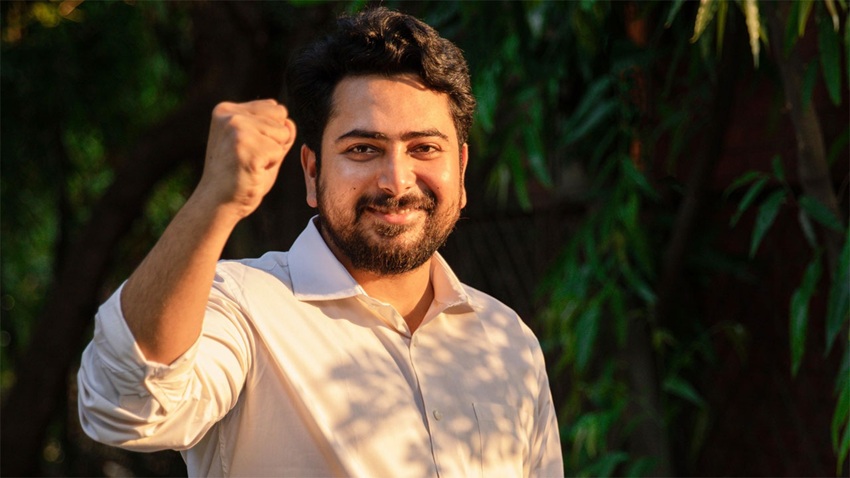
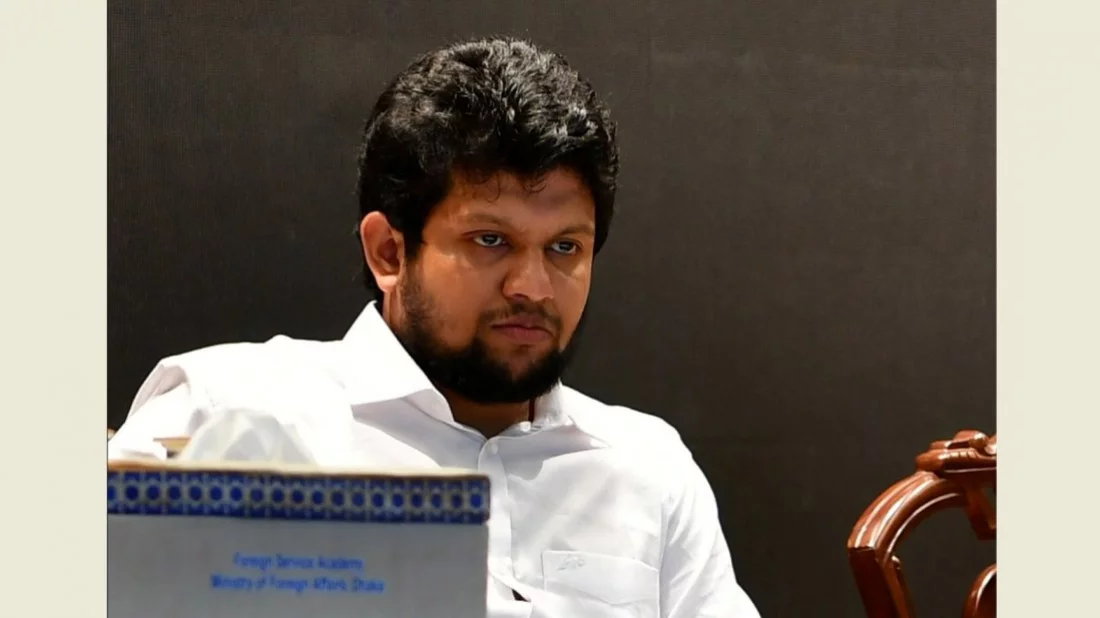
The statement, posted on the eve of National Mourning Day, has ignited a firestorm across political, academic, and public spheres, reigniting long-suppressed debates about history, legacy, and the nature of national heroism.
“The title ‘Father of the Nation’ was not born from the people’s will—it was manufactured by the Awami League to sanctify a personality cult,” Nahid wrote. “We reject this political mythology. Sheikh Mujibur Rahman is not the Father of the Nation.”
While Nahid acknowledged Sheikh Mujib’s leadership in the struggle for independence, he sharply criticized his governance from 1972 to 17 August 1975—the day of his assassination.
He described the 1972 Constitution as “forced upon the people” and accused Mujib’s government of turning Bangladesh into a “client state of India”, undermining sovereignty in foreign policy and security.
Nahid reserved his harshest critique for what he called “Mujibism”—a term he defined not as a legacy of liberation, but as a system of ideological control used by the Awami League for decades to consolidate power.
“Mujibism today means enforced disappearances, extrajudicial killings, institutional decay, corruption on a national scale, and the weaponization of history to silence dissent.”