6:25 pm, Saturday, 17 January 2026

Govt ramps up global engagement on Rohingya crisis

  • Reporter Name
  • Update Time : 10:56:05 pm, Thursday, 21 August 2025
  • 66 Time View

The interim government has intensified its efforts to bring the Rohingya issue back to forefront of global attention, with a renewed push for international engagement and sustainable solutions for the safe and dignified return of Rohingya refugees to Myanmar.

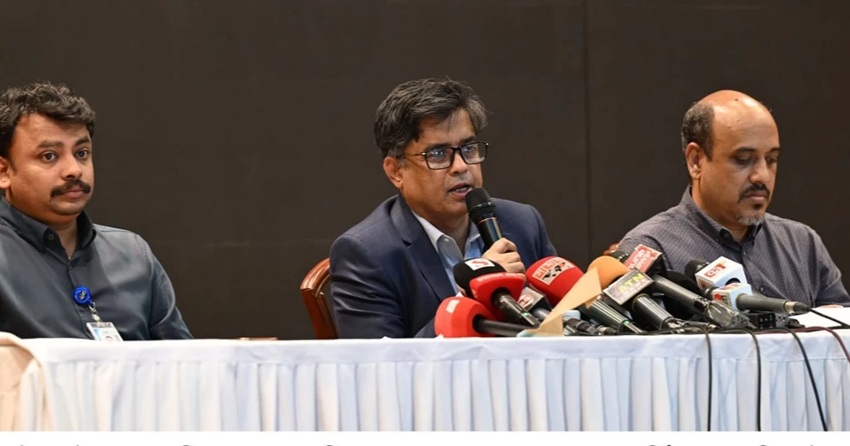
Chief Adviser’s Press Secretary Shafiqul Alam on Thursday said Bangladesh is actively engaging international stakeholders and platforms to ensure the crisis remains a priority amid competing global challenges.

A three-day international conference will be held in Cox’s Bazar from August 24 to 26 as part of this initiative.

Briefing reporters at Foreign Service Academy in Dhaka, Alam said Chief Adviser Professor Muhammad Yunus will attend the conference on August 25.

The event will feature participation from Rohingya representatives, delegates from 40 countries, diplomats based in Dhaka and representatives of UN agencies. A dedicated discussion with Rohingya representatives is scheduled for August 24.

The conference will focus on key issues including repatriation, funding and the development of a comprehensive roadmap for voluntary, safe and dignified return. Two more major international conferences on the Rohingya issue are planned later this year in New York and Doha.

The largest of these will take place on September 30 in New York, on the sidelines of the UN General Assembly, with participation expected from around 170 countries.

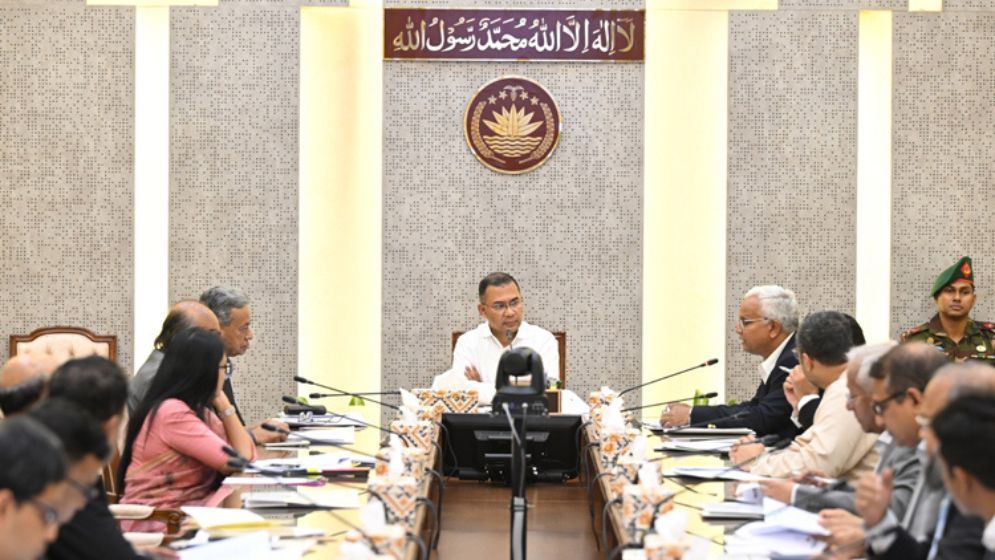
Foreign Adviser Md Touhid Hossain recently stated that the government is working on three strategic fronts: ensuring an uninterrupted flow of foreign funding, keeping the crisis in focus globally and working towards repatriation.

“This issue must not be forgotten,” he said, emphasizing the strain on Bangladesh’s economy, environment and host communities.

Speaking at an OIC ministerial meeting, he said, “We are facing mounting humanitarian, developmental, and security-related challenges.”

Despite hosting over 1.3 million Rohingyas, Bangladesh has seen a significant drop in international humanitarian aid. Cuts by key donors, including the United States, have severely affected essential services; particularly education for the 437,000 school, age children in the refugee camps.

On June 3, 2025, UNICEF was forced to suspend thousands of learning centers in the camps due to lack of funding. At present, only informal, community-run schools—without official support—are operational.

Meanwhile, targeted violence in Myanmar’s Rakhine State continues to drive new waves of displacement. In the past 18 months, up to 150,000 Rohingya have arrived in Cox’s Bazar, making this the largest influx since 2017.

UNHCR reports that 121,000 of them have already been biometrically registered, though many more are believed to be living informally in overcrowded camps.

Women and children make up the majority of the new arrivals. Humanitarian agencies warn that without urgent international support, existing resources—already stretched to the limit—will be unable to meet the growing needs.

Tag :

Write Your Comment

Your email address will not be published. Required fields are marked *

Save Your Email and Others Information

About Author Information

Govt ramps up global engagement on Rohingya crisis

Update Time : 10:56:05 pm, Thursday, 21 August 2025

The interim government has intensified its efforts to bring the Rohingya issue back to forefront of global attention, with a renewed push for international engagement and sustainable solutions for the safe and dignified return of Rohingya refugees to Myanmar.

Chief Adviser’s Press Secretary Shafiqul Alam on Thursday said Bangladesh is actively engaging international stakeholders and platforms to ensure the crisis remains a priority amid competing global challenges.

A three-day international conference will be held in Cox’s Bazar from August 24 to 26 as part of this initiative.

Briefing reporters at Foreign Service Academy in Dhaka, Alam said Chief Adviser Professor Muhammad Yunus will attend the conference on August 25.

The event will feature participation from Rohingya representatives, delegates from 40 countries, diplomats based in Dhaka and representatives of UN agencies. A dedicated discussion with Rohingya representatives is scheduled for August 24.

The conference will focus on key issues including repatriation, funding and the development of a comprehensive roadmap for voluntary, safe and dignified return. Two more major international conferences on the Rohingya issue are planned later this year in New York and Doha.

The largest of these will take place on September 30 in New York, on the sidelines of the UN General Assembly, with participation expected from around 170 countries.

Foreign Adviser Md Touhid Hossain recently stated that the government is working on three strategic fronts: ensuring an uninterrupted flow of foreign funding, keeping the crisis in focus globally and working towards repatriation.

“This issue must not be forgotten,” he said, emphasizing the strain on Bangladesh’s economy, environment and host communities.

Speaking at an OIC ministerial meeting, he said, “We are facing mounting humanitarian, developmental, and security-related challenges.”

Despite hosting over 1.3 million Rohingyas, Bangladesh has seen a significant drop in international humanitarian aid. Cuts by key donors, including the United States, have severely affected essential services; particularly education for the 437,000 school, age children in the refugee camps.

On June 3, 2025, UNICEF was forced to suspend thousands of learning centers in the camps due to lack of funding. At present, only informal, community-run schools—without official support—are operational.

Meanwhile, targeted violence in Myanmar’s Rakhine State continues to drive new waves of displacement. In the past 18 months, up to 150,000 Rohingya have arrived in Cox’s Bazar, making this the largest influx since 2017.

UNHCR reports that 121,000 of them have already been biometrically registered, though many more are believed to be living informally in overcrowded camps.

Women and children make up the majority of the new arrivals. Humanitarian agencies warn that without urgent international support, existing resources—already stretched to the limit—will be unable to meet the growing needs.