Reporter Name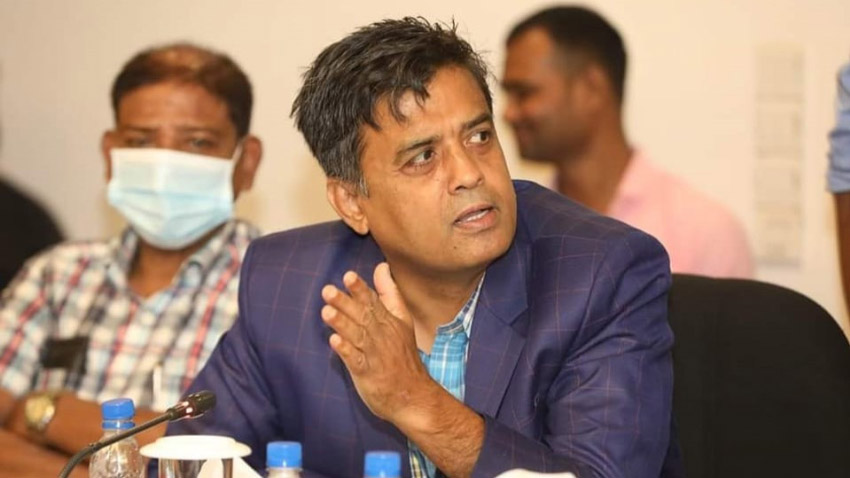
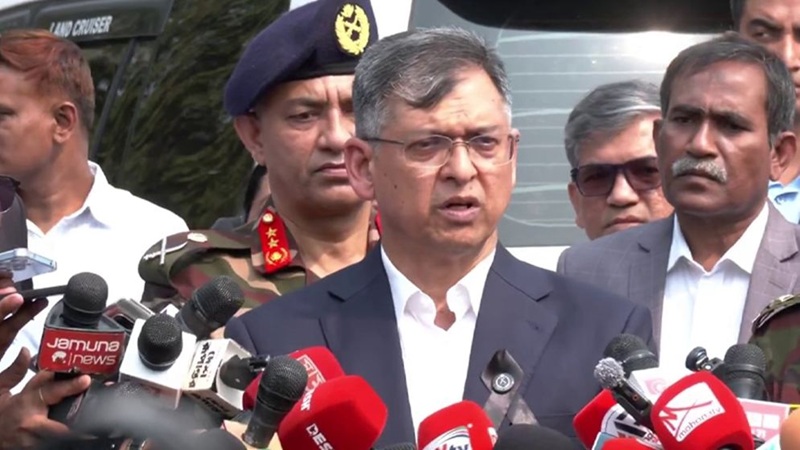
Chief Adviser’s Press Secretary Shafiqul Alam has described Bangladesh’s recent success in securing a 20 percent tariff agreement with the United States as a significant achievement for the interim government.
Speaking at a roundtable discussion on Saturday titled ‘Bangladesh and Trump Tariffs: Economic Diplomacy in a World after Trade Regime’ in Dhaka, Alam highlighted the importance of preparation, strategic negotiation, and confidence in achieving the deal.
The event was organized by the Bangladesh Research Analysis and Information Network (BRAIN) and featured economists including Dr Rashed Al Titumir, Jyoti Rahman, and Zia Hasan.
“This negotiation was one of the government’s biggest foreign policy challenges. With the right approach, Bangladesh has secured the desired outcome,” Alam said.
He added that skeptics had claimed the interim government was too inexperienced to strike a favorable deal, but the results proved otherwise.
Alam noted that the government focused on areas where realistic and immediate results were possible, leveraging its position as a major consumer and importer in the global market.
“Cotton, oil, poultry feed, and edible oil—Bangladesh now plays a significant role in nearly every sector, and this gave us leverage in the negotiations,” he explained.
He credited the successful outcome to three main factors: Chief Adviser Professor Muhammad Yunus’ personal credibility and connections in the US, National Security Adviser Dr Khalilur Rahman’s extensive experience, and Commerce Adviser Sk Bashir Uddin’s expertise in global markets.
The press secretary also highlighted Bangladesh’s growing export markets beyond the US, including Japan, South Korea, Brazil, South Africa, and the Middle East, emphasizing a strategy of market diversification.
Alam stressed that improving Chattogram Port efficiency and reforming logistics are critical to attracting more foreign investment. “If Chattogram Port can match Singapore’s efficiency, foreign investment cannot be stopped,” he said.
He further noted that the interim government’s measures have helped stabilize the economy, control inflation, and increase foreign exchange reserves.
While we may not have achieved 8 percent growth, achieving 4 percent growth during this post-uprising period is not insignificant,” he added.
Expressing optimism about future prospects, Alam said the tariff agreement has placed Bangladesh’s economy on a new trajectory, with expectations for deeper trade relations with the United States.
“We aim to expand exports to the US, similar to Japan, South Korea, Taiwan, and Vietnam, as part of our path toward greater prosperity,” he concluded.