Reporter Name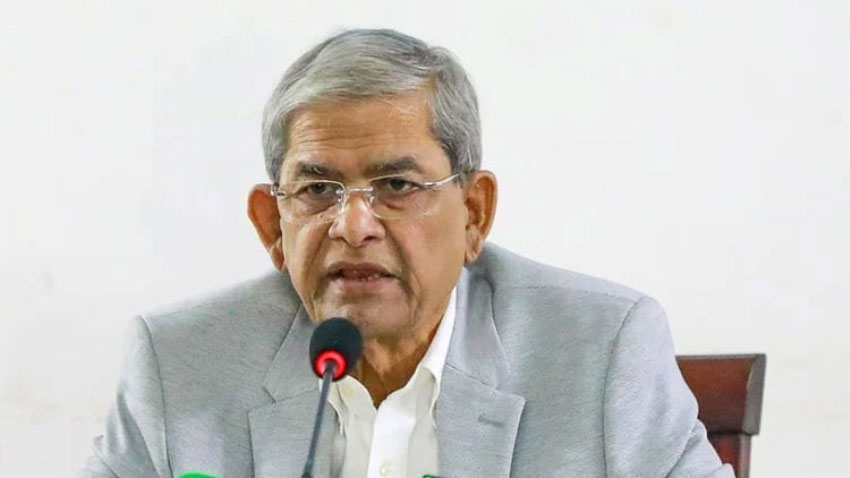
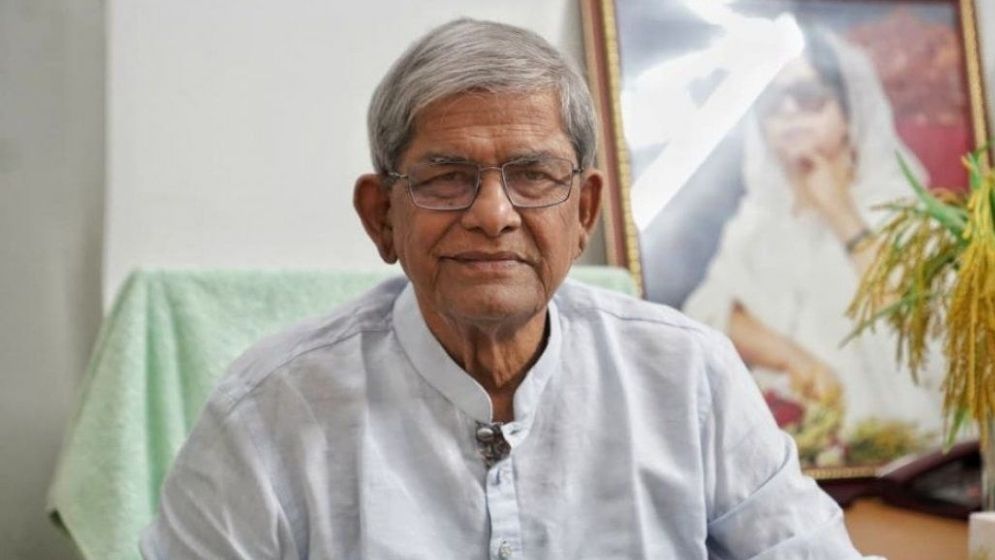
BNP Secretary General Mirza Fakhrul Islam Alamgir has cautioned that dismantling decades of entrenched inequality and corruption in Bangladesh will take time, stressing the need for structural reforms rather than expecting instant solutions.
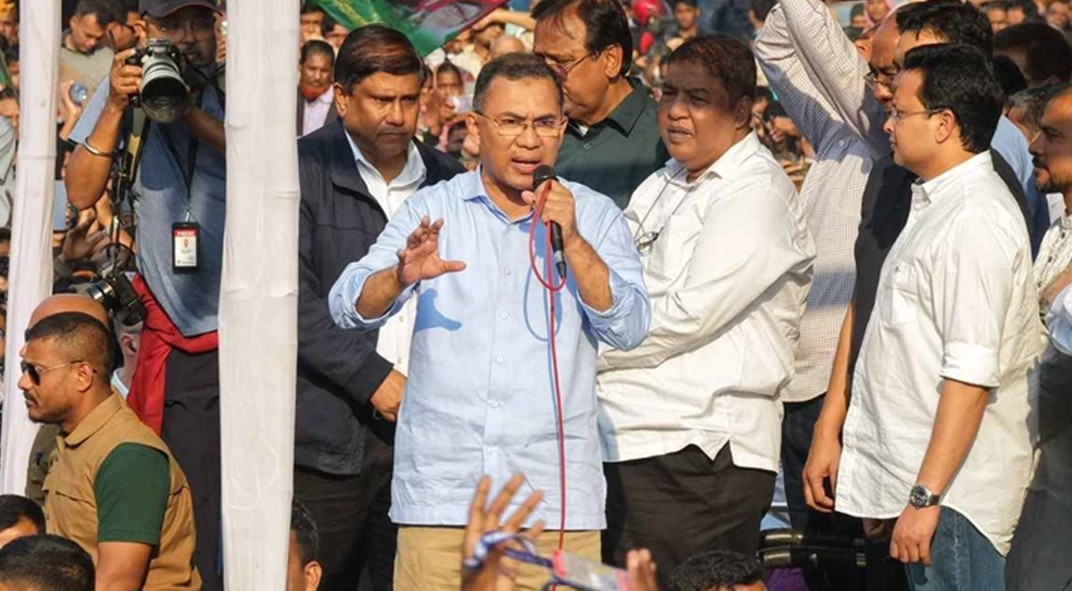
“Injustices, authoritarian practices, corruption and systemic discrimination cannot be eradicated overnight,” Fakhrul said on Saturday while addressing a seminar at the Jatiya Press Club in Dhaka.
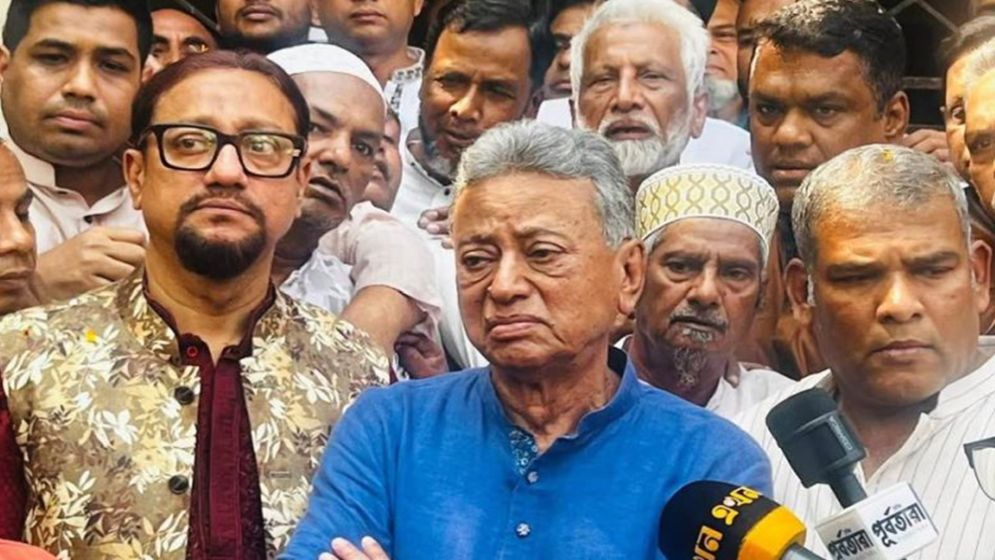
The event, titled ‘How Well is Social Protection Secured’, was organised by Arpon Alok Songho and attended by senior journalist Sohrab Hassan, Ganosamhati Andolon leader Zonayed Saki, Nationalist Democratic Movement (NDM) Chairman Bobby Hajjaj, former BNP lawmaker Rehana Akter Ranu, and Policy Exchange Chairman Dr M Masrur Reaz.
Fakhrul argued that both the state framework and the electoral process remain at a preliminary stage of reform. While the July mass uprising had created momentum for change, he said sustainable progress would require political sincerity, clear planning and a restructuring of governance.
“The existing state system fosters inequality and corruption. Bureaucratic centralisation forces citizens—even schoolteachers—to travel to Dhaka for minor issues that should be resolved locally. This system is deliberately designed to sustain bribery and rent-seeking, from school recruitment to universities,” Fakhrul said.
He stressed that genuine democracy and social justice are unattainable without overhauling this structure. “The present system cannot yield fairness. Reform is inevitable if Bangladesh is to move toward an egalitarian society,” he added.
Other speakers echoed concerns about systemic failure. Zonayed Saki said successive governments had failed to ensure even a minimum level of social balance, leading to widening wealth gaps and an economy dependent on plunder. Bobby Hajjaj pointed to the financial sector, criticising both past and present governments for institutional decline.
Citing last week’s closure of nine non-bank financial institutions, Hajjaj alleged that looting in the banking sector persisted even after Sheikh Hasina’s departure. He further claimed that Bangladesh Bank had long been aware of irregularities but failed to hold regulators accountable during her rule.