12:45 pm, Sunday, 22 February 2026

Govt pushes banking, power, tax reforms as IMF debt pressures loom: Salehuddin

  • Reporter Name
  • Update Time : 10:42:58 pm, Tuesday, 30 September 2025
  • 71 Time View

Finance Adviser Dr Salehuddin Ahmed has said the government is pressing ahead with key reforms in the banking sector, power subsidies, and revenue mobilisation while remaining mindful of rising foreign debt obligations under the IMF-supported programme.

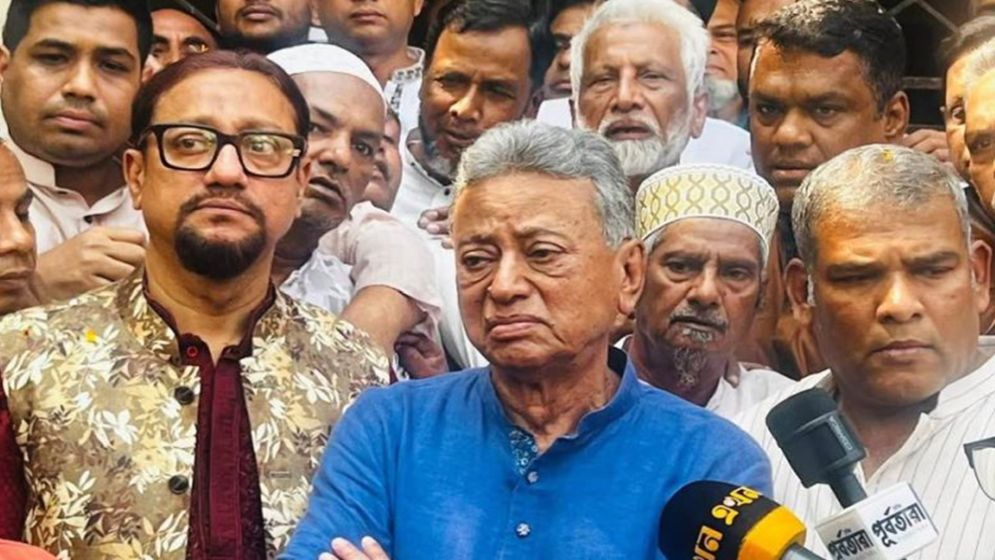
Speaking to reporters after a meeting at the Secretariat on Tuesday, Dr Salehuddin said market irregularities, syndicates and rent-seeking practices continue to weigh on the economy, but enforcement efforts are being stepped up to protect consumers.

He admitted, however, that extortion has worsened since August 5 last year, with multiple groups now involved. “Where one taka was being extorted before, now it is one and a half or even two taka. Many of those involved belong to business organisations,” he said, warning that such practices are contributing to price hikes.

While acknowledging that the interim administration cannot fully resolve the issue without political consensus and an elected government, the adviser expressed optimism that inflationary pressures would ease in the months ahead. “We expect inflation to come down to around 7 percent by June next year,” he noted.

On the banking front, Dr Salehuddin said liquidity stress and restrictions on letters of credit (LCs) that disrupted imports have eased, though support continues for weaker banks. “Irregularities are being addressed, but the sector is now showing signs of greater stability,” he said.

Turning to fiscal policy, the adviser underscored the urgent need to widen the tax base. He highlighted the rollout of the National Single Window digital system by the National Board of Revenue (NBR), which has begun issuing tax notices to previously untouchable elites. “Strengthening compliance is central to restoring fiscal balance,” he said.

On the power sector, Dr Salehuddin cautioned that subsidies had reached unsustainable levels. “The government cannot expand subsidies further. Power companies must reduce costs and improve efficiency. Any tariff adjustments will have to be carefully managed,” he explained.

The adviser also confirmed that pension reform is under review, including a “one pay, one pension” approach, though he said a universal pension scheme would require more time and resources.

Discussing the political climate ahead of the national election, Dr Salehuddin said major parties had signaled participation and that security forces, including the army, would play a crucial role in maintaining order.

He further stressed the importance of safeguarding foreign reserves, noting that while reserves have fallen compared to previous years, Bangladesh remains committed to meeting international payment obligations. “This is not yet a crisis, but prudent management is necessary,” he said.

Concluding his remarks, Dr Salehuddin emphasised that Bangladesh still has room to navigate economic challenges if reforms continue. “Transparency, accountability and consistent reforms are essential to maintain public trust and strengthen resilience against external shocks,” he said.


Tag :

Write Your Comment

Your email address will not be published. Required fields are marked *

Save Your Email and Others Information

About Author Information

Govt pushes banking, power, tax reforms as IMF debt pressures loom: Salehuddin

Update Time : 10:42:58 pm, Tuesday, 30 September 2025

Finance Adviser Dr Salehuddin Ahmed has said the government is pressing ahead with key reforms in the banking sector, power subsidies, and revenue mobilisation while remaining mindful of rising foreign debt obligations under the IMF-supported programme.

Speaking to reporters after a meeting at the Secretariat on Tuesday, Dr Salehuddin said market irregularities, syndicates and rent-seeking practices continue to weigh on the economy, but enforcement efforts are being stepped up to protect consumers.

He admitted, however, that extortion has worsened since August 5 last year, with multiple groups now involved. “Where one taka was being extorted before, now it is one and a half or even two taka. Many of those involved belong to business organisations,” he said, warning that such practices are contributing to price hikes.

While acknowledging that the interim administration cannot fully resolve the issue without political consensus and an elected government, the adviser expressed optimism that inflationary pressures would ease in the months ahead. “We expect inflation to come down to around 7 percent by June next year,” he noted.

On the banking front, Dr Salehuddin said liquidity stress and restrictions on letters of credit (LCs) that disrupted imports have eased, though support continues for weaker banks. “Irregularities are being addressed, but the sector is now showing signs of greater stability,” he said.

Turning to fiscal policy, the adviser underscored the urgent need to widen the tax base. He highlighted the rollout of the National Single Window digital system by the National Board of Revenue (NBR), which has begun issuing tax notices to previously untouchable elites. “Strengthening compliance is central to restoring fiscal balance,” he said.

On the power sector, Dr Salehuddin cautioned that subsidies had reached unsustainable levels. “The government cannot expand subsidies further. Power companies must reduce costs and improve efficiency. Any tariff adjustments will have to be carefully managed,” he explained.

The adviser also confirmed that pension reform is under review, including a “one pay, one pension” approach, though he said a universal pension scheme would require more time and resources.

Discussing the political climate ahead of the national election, Dr Salehuddin said major parties had signaled participation and that security forces, including the army, would play a crucial role in maintaining order.

He further stressed the importance of safeguarding foreign reserves, noting that while reserves have fallen compared to previous years, Bangladesh remains committed to meeting international payment obligations. “This is not yet a crisis, but prudent management is necessary,” he said.

Concluding his remarks, Dr Salehuddin emphasised that Bangladesh still has room to navigate economic challenges if reforms continue. “Transparency, accountability and consistent reforms are essential to maintain public trust and strengthen resilience against external shocks,” he said.