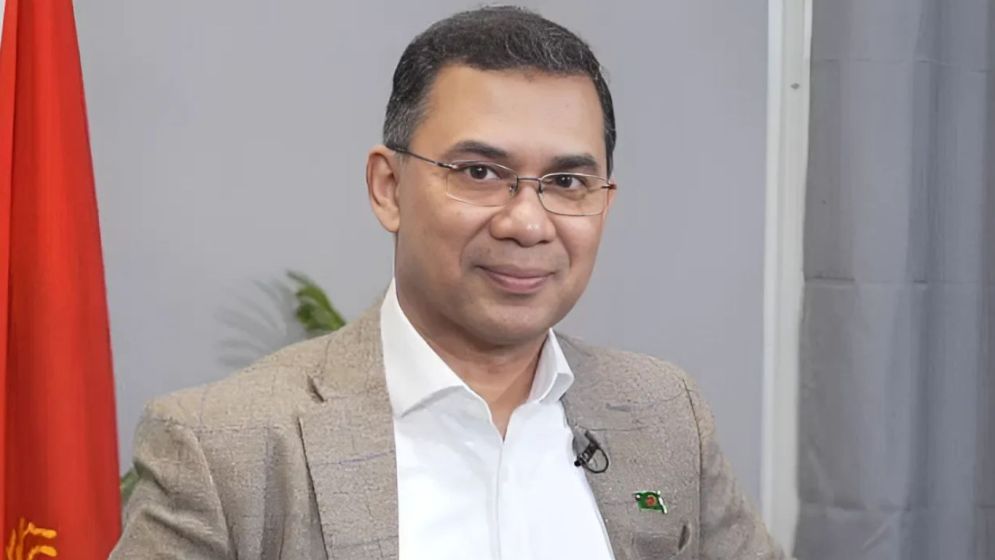
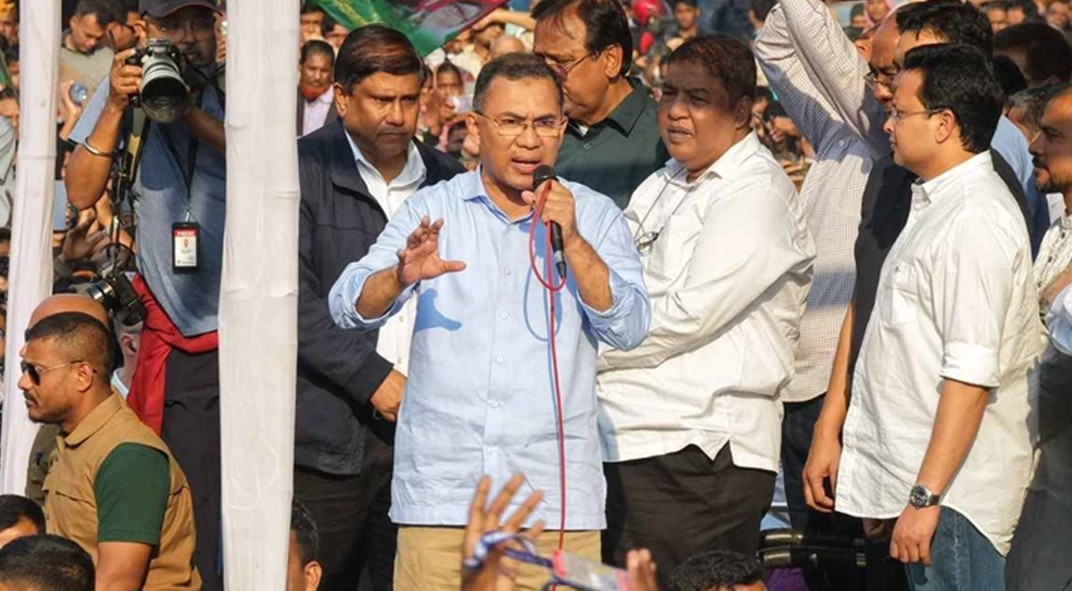
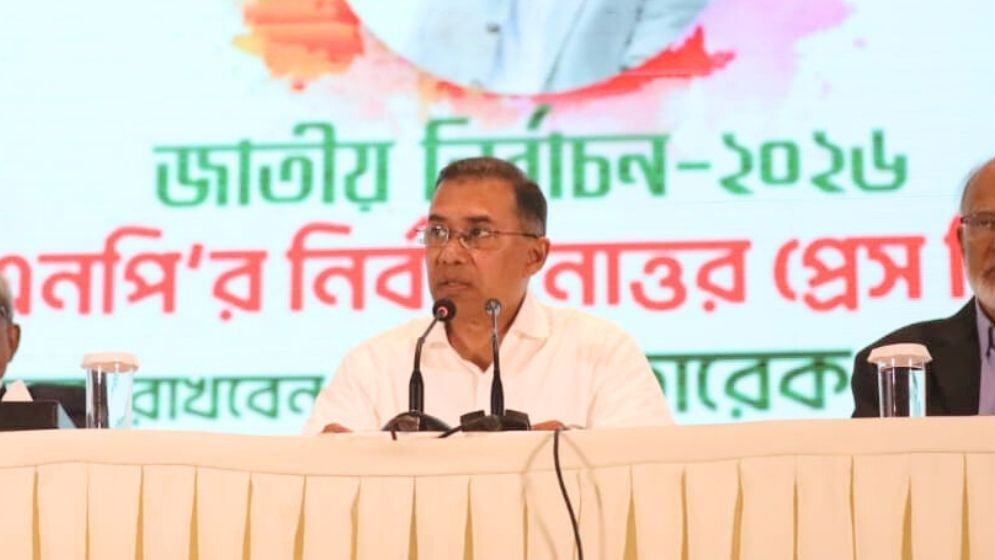
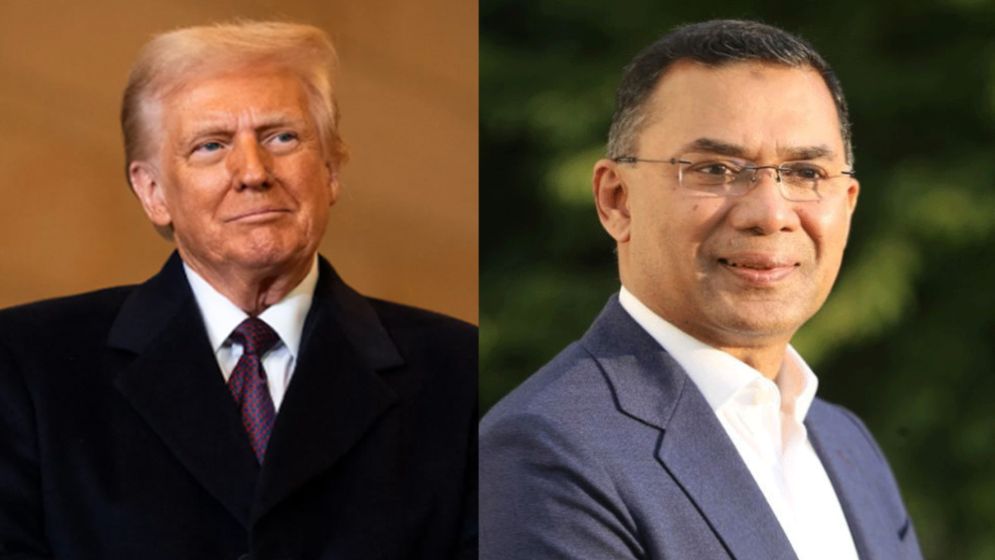
BNP acting chairman Tarique Rahman has said he will return to the country to contest the upcoming 13th parliamentary elections, predicting his party will win a sweeping majority following the ousting of authoritarian leader Sheikh Hasina last year.
He also insisted that the student-led revolution that toppled Hasina’s authoritarian regime could not be fully realised until a free and “credible” vote was held.
“We are confident we will win,” Tarique told the Financial Times in his first face-to-face English language interview published on Monday. “We strongly believe that we are in the position to form the government alone.”
“I think the time is very close for my return to Bangladesh,” he added.
Whoever leads the next government of Bangladesh will have to confront a fragile economy, with the country’s vital garment sector hit by US tariffs, and a damaged relationship with neighbouring India, where Hasina has fled.
Tarique is widely expected to emerge as a prime ministerial candidate after the February vote, with polls showing the BNP is the frontrunner. Chief Adviser Prof Muhammad Yunus has banned the Hasina-led Awami League from political activities.
The BNP leader echoed Yunus’ claim that the Awami League is “fascist” and said the BNP was ready to form a government with other parties, including a new faction led by students who were on the front lines of last year’s uprising.
“We will welcome them into politics,” he said. “They are young, they have a future.”
Tarique outlined some aspects of a future economic programme for the country of 170 million, including diversifying away from garment exports by becoming a “supply hub” for online retailers such as Amazon, eBay and Alibaba.
He also said he would pursue a “Bangladesh before all” foreign policy with India, which has historically backed Hasina, to reset what he described as a “one-sided” relationship.
Bangladesh’s two dominant political parties – BNP and Awami League – are rooted in a bitter family rivalry.
Sheikh Hasina is the daughter of Sheikh Mujibur Rahman, the country’s independence leader and founding president, who was assassinated by army officers in 1975 along with most of his family members.
Tarique’s father, Ziaur Rahman, another former president and independence figure, was also assassinated in 1981. After his death, Tarique’s mother, Khaleda Zia, led the BNP for decades.
Tarique Rahman, 59, has been in exile since 2008 avoiding corruption charges that he says were politically motivated.
He pledged a new BNP government would break the cycle of retaliation, saying the party has already disciplined or expelled 7,000 of its own members for such wrongdoing since last August.
But he was evasive about allowing the Awami League, which is still thought to enjoy popular support, to return to politics. “If they are convicted as criminals, then how can the Awami League . . . contest the election,” he said, referring to leaders of the party facing charges in the country.
Hasina’s 15-year rule was marked by corruption and brutal suppression of dissent, including extrajudicial killings and disappearances.
Tarique said that if elected, he would continue the Yunus administration’s effort to recover billions of dollars that it alleges people close to Hasina plundered overseas.
But during the BNP’s last stint in power, Bangladesh was ranked the world’s most corrupt country for five consecutive years by Transparency International.
A leaked 2008 US diplomatic cable branded Tarique “a symbol of kleptocratic government and violent politics” and said he was notorious for “flagrantly and frequently demanding bribes”.
Pressed about BNP’s past performance, he acknowledged that “any government has some flaws” but he defended its record on corruption, highlighting that it established Bangladesh’s Anti-Corruption Commission.
Tarique said that “false narratives” shared by Bangladeshi media outlets had “formed the basis of the US cable”, and noted that all of the cases against him had since been dropped.
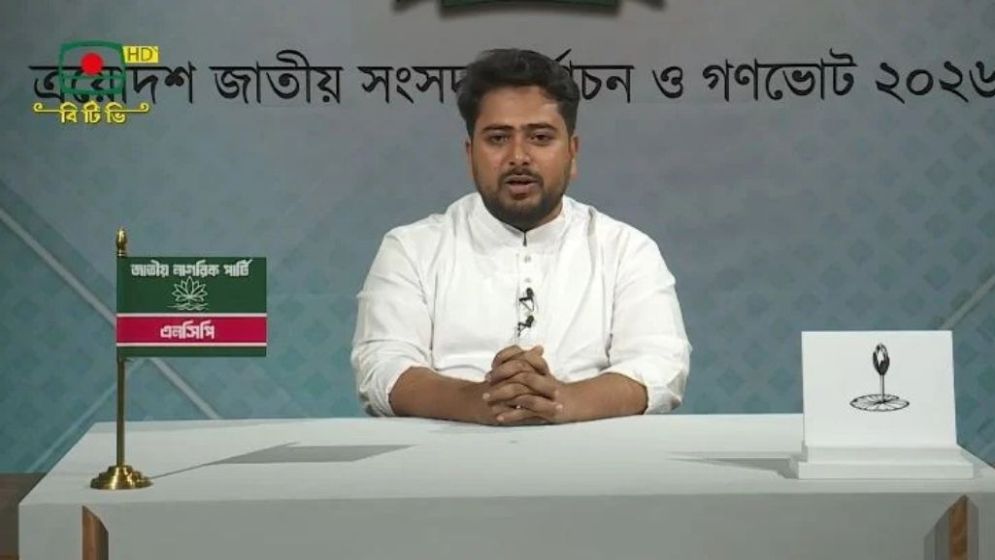
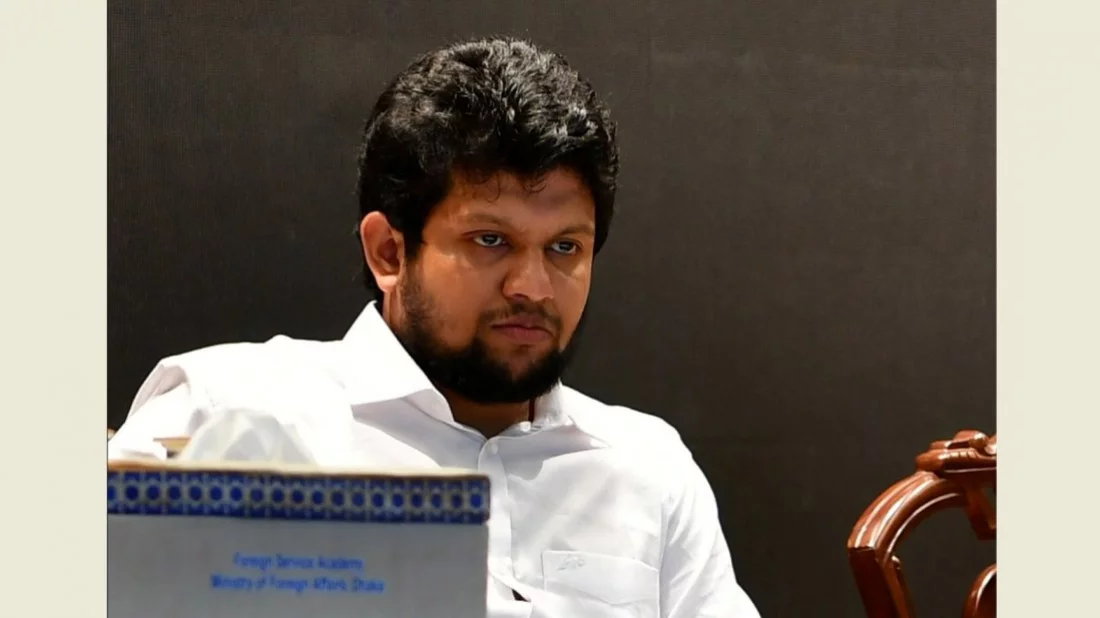
Meanwhile, Nahid Islam, the leader of the student-led National Citizen Party (NCP), has raised concerns that the election would not be entirely free and fair because the BNP was already “dominating all political fields”. Across Dhaka, the capital, streets are plastered with Tarique’s face.
“The electoral culture in Bangladesh is not really pleasant for us,” he added.


 Reporter Name