Update Time :
11:26:03 pm, Thursday, 16 October 2025
115
Time View
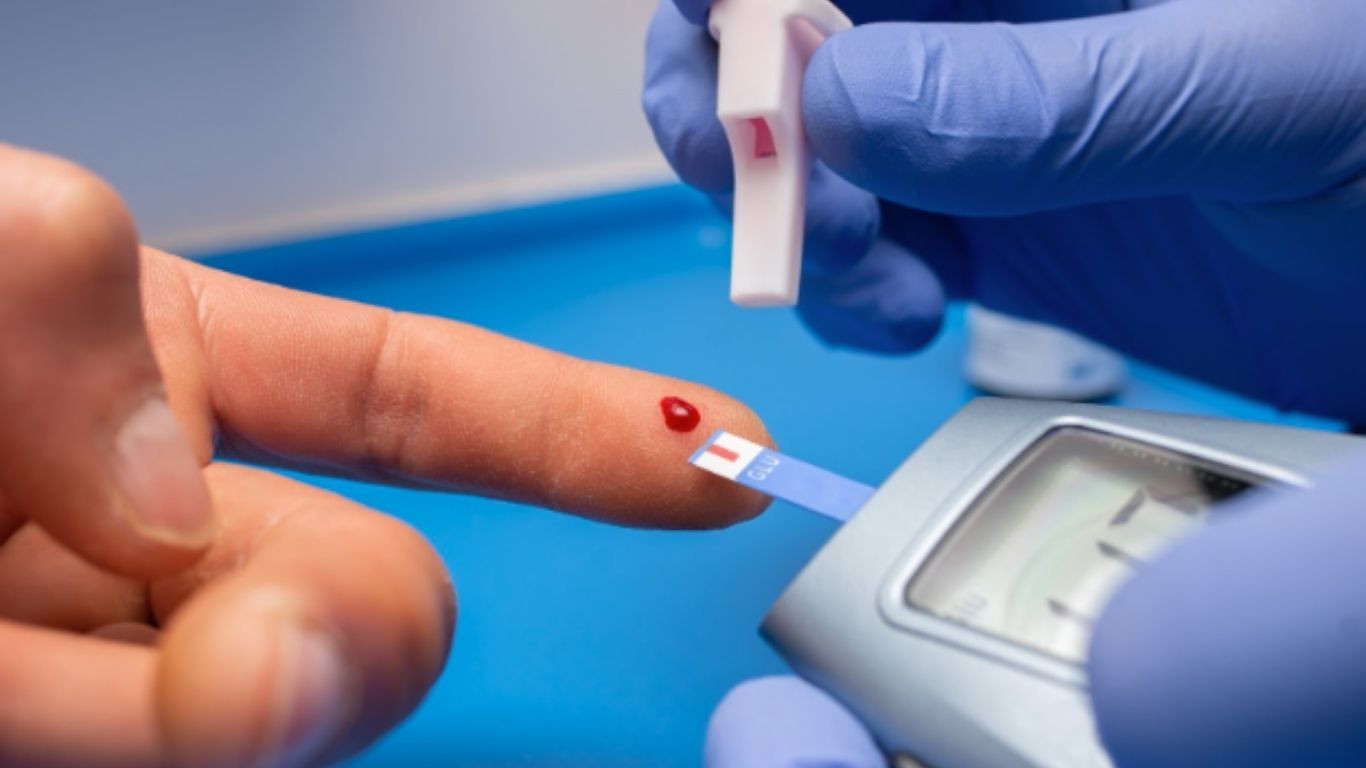
Type 2 diabetes is a growing health challenge in Bangladesh, largely caused by poor diet and lifestyle habits. However, it can be reversed naturally through mindful eating, regular activity, and choosing traditional, healthy Bangladeshi foods.
Below are practical steps you can follow to control and reverse diabetes while enjoying local dishes.
1. Reduce High-Glycemic Carbohydrates
Avoid refined white rice, paratha, and sugary foods that spike blood sugar quickly. Replace them with brown rice, red rice and oats. These slow-digesting carbs help stabilize glucose levels. Eat more local vegetables like bottle gourd and snake gourd and watery vegetables which are low in carbs but rich in nutrients.
2. Practice Intermittent Fasting
Intermittent fasting means eating within a specific time window and giving your body long breaks without food. A common pattern is eating between 10 AM and 6 PM, allowing the body to fast for the remaining 16 hours. This fasting window helps burn stored glucose and fat, reduce insulin resistance, and improve metabolic health. Over time, it supports steady blood sugar levels and encourages natural weight loss, both of which are key to reversing Type 2 diabetes.
3. Eat More High-Fiber Foods
High-fiber foods slow down glucose absorption and keep you full. Include vegetables like red spinach,beans, pumpkin, and okra.Fruits like guava, apple, and papaya are excellent for diabetics. Also, lentils are great local sources of fiber and protein.
4. Choose Low-Glycemic Index (GI) Foods
Low-GI foods raise blood sugar slowly. Replace white flour products with whole wheat bread instead of white flour based paratha. Eat brown rice, rolled oats , sweet potatoes , and legumes like chickpeas or black gram , which are traditional Bangladeshi staples that support steady energy.
5. Eat Starchy Carbs Last
When eating, start with vegetables, fish, or meat before the rice or ruti. This helps your body absorb glucose more slowly and reduces sugar spikes. For example, in a meal with rice, fish curry, and vegetables, eat the vegetables and fish first, then the rice.
6. Add Resistant Starches
Resistant starches act like fiber, helping lower glucose levels. In Bangladesh, you can get this by eating boiled and cooled potatoes, green bananas or lentils. Cooked and cooled rice (like leftover rice from the fridge, also contains resistant starch—just eat it without added salt or oil.
7. Walk After Meals
A 10–30-minute walk after each meal helps your muscles use glucose efficiently. Walking around your home, rooftop, or neighborhood after lunch and dinner is a simple way to keep your sugar levels stable. Even gentle movement like household chores helps.
8. Avoid Late, Carb-Heavy Dinners
Late-night meals slow metabolism and increase fat storage. Have dinner by 7:00 or 8:00 PM, and avoid heavy rice meals. Instead, try vegetable soup, grilled fish, or a light lentils with a small portion of brown rice or brown flour roti for dinner.
Author
Nusrat Jahan Rashi
Department of Food and Nutrition, Institute of Home Economics, University of Dhaka


 Reporter Name