3:00 am, Thursday, 11 December 2025

Extreme poverty hinders economic growth

High inflation, extreme poverty and rising unemployment have intensified Bangladesh’s macroeconomic crisis, posing a significant obstacle to economic growth.

Although the interim government declared the current fiscal year as a period to control inflation rather than achieve growth, the country’s economy has contracted further over the past year.

The United Nations’ Food and Agriculture Organization (FAO), UNICEF, and the World Food Programme (WFP) project that at least 16 million people in Bangladesh could face severe food insecurity by December.

The International Monetary Fund (IMF) has now aligned with this assessment, emphasising that reducing poverty is essential to restoring normal economic growth. The IMF recommends significant job creation and effective inflation control to achieve this.

The IMF has also urged the government to strengthen domestic food security. However, as of 3 November, the country’s food stock has fallen to 1.369 million tonnes.

An IMF delegation visiting Dhaka has been holding continuous meetings with government ministries, departments and agencies, including a session with the Ministry of Finance yesterday.

The IMF expressed concern over the overall economic situation, employment, unemployment, non-performing loans, rising poverty rates, and food security.

Considering the global context and the upcoming national elections in February, the IMF stressed the importance of reinforcing food security measures.

Research data indicate that Bangladesh’s poverty rate has risen to 28 per cent over the past four years, with more than three per cent of the population falling below the poverty line annually.

The Bangladesh Bureau of Statistics (BBS) reports that inflationary pressures remain high, with prices of rice, lentils, edible oil and other food items reaching alarming levels.

The IMF warns that average inflation could reach dangerous levels by the end of the fiscal year.

Although Bangladesh made significant progress in poverty reduction over five decades, the pandemic and subsequent high inflation have reversed these gains.

Real incomes have declined over the past three years, pushing many people below the poverty line. Domestic and foreign investment has stagnated, limiting new employment opportunities, particularly for educated individuals. Economists link this to the rising poverty rate.

According to the BBS’s 2022 National Income and Expenditure Survey, the poverty rate was 18.7 per cent. A recent study by the Power and Participation Research Centre (PPRC), titled Economic Dynamics and Mood at Household Level in Mid-2025, estimates that poverty has risen to 27.93 per cent, nearly 28 per cent.

It also notes that 18 per cent of the population remains at risk of falling into poverty. Over the past three years, approximately 10 out of every 100 people have become poor, meaning one in four Bangladeshis now lives in poverty. In 2016, the BBS reported a national poverty rate of about 24 per cent.

The government targets a 5.5 per cent GDP growth and 6.5 per cent inflation by the end of the current fiscal year. The IMF, however, considers both targets unrealistic, projecting GDP growth at 4.9 per cent for 2025-26, up from 3.8 per cent in 2024-25.

The IMF attributes the slowdown in economic growth to rising poverty, high unemployment, limited job opportunities, and persistent inflation.

It recommends expanding food assistance programmes to provide relief to the ultra-poor and boosting domestic production and imports to ensure food security.

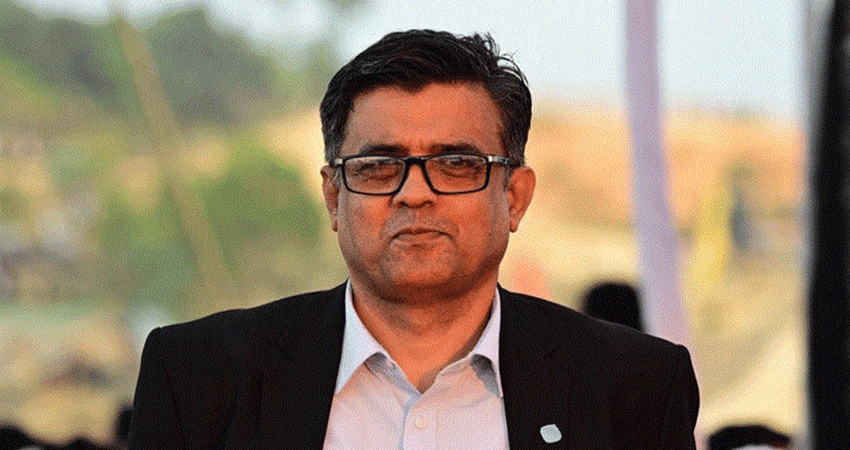
Zahid Hossain, former chief economist at the World Bank, said, “Poverty is a severe curse for any country. Although we had made progress in the past, poverty has increased again. Expanding employment is the only viable solution.” He also stressed the importance of effective measures to control inflation.

Tag :

Write Your Comment

Your email address will not be published. Required fields are marked *

Save Your Email and Others Information

About Author Information

Extreme poverty hinders economic growth

Update Time : 11:33:21 am, Wednesday, 5 November 2025

High inflation, extreme poverty and rising unemployment have intensified Bangladesh’s macroeconomic crisis, posing a significant obstacle to economic growth.

Although the interim government declared the current fiscal year as a period to control inflation rather than achieve growth, the country’s economy has contracted further over the past year.

The United Nations’ Food and Agriculture Organization (FAO), UNICEF, and the World Food Programme (WFP) project that at least 16 million people in Bangladesh could face severe food insecurity by December.

The International Monetary Fund (IMF) has now aligned with this assessment, emphasising that reducing poverty is essential to restoring normal economic growth. The IMF recommends significant job creation and effective inflation control to achieve this.

The IMF has also urged the government to strengthen domestic food security. However, as of 3 November, the country’s food stock has fallen to 1.369 million tonnes.

An IMF delegation visiting Dhaka has been holding continuous meetings with government ministries, departments and agencies, including a session with the Ministry of Finance yesterday.

The IMF expressed concern over the overall economic situation, employment, unemployment, non-performing loans, rising poverty rates, and food security.

Considering the global context and the upcoming national elections in February, the IMF stressed the importance of reinforcing food security measures.

Research data indicate that Bangladesh’s poverty rate has risen to 28 per cent over the past four years, with more than three per cent of the population falling below the poverty line annually.

The Bangladesh Bureau of Statistics (BBS) reports that inflationary pressures remain high, with prices of rice, lentils, edible oil and other food items reaching alarming levels.

The IMF warns that average inflation could reach dangerous levels by the end of the fiscal year.

Although Bangladesh made significant progress in poverty reduction over five decades, the pandemic and subsequent high inflation have reversed these gains.

Real incomes have declined over the past three years, pushing many people below the poverty line. Domestic and foreign investment has stagnated, limiting new employment opportunities, particularly for educated individuals. Economists link this to the rising poverty rate.

According to the BBS’s 2022 National Income and Expenditure Survey, the poverty rate was 18.7 per cent. A recent study by the Power and Participation Research Centre (PPRC), titled Economic Dynamics and Mood at Household Level in Mid-2025, estimates that poverty has risen to 27.93 per cent, nearly 28 per cent.

It also notes that 18 per cent of the population remains at risk of falling into poverty. Over the past three years, approximately 10 out of every 100 people have become poor, meaning one in four Bangladeshis now lives in poverty. In 2016, the BBS reported a national poverty rate of about 24 per cent.

The government targets a 5.5 per cent GDP growth and 6.5 per cent inflation by the end of the current fiscal year. The IMF, however, considers both targets unrealistic, projecting GDP growth at 4.9 per cent for 2025-26, up from 3.8 per cent in 2024-25.

The IMF attributes the slowdown in economic growth to rising poverty, high unemployment, limited job opportunities, and persistent inflation.

It recommends expanding food assistance programmes to provide relief to the ultra-poor and boosting domestic production and imports to ensure food security.

Zahid Hossain, former chief economist at the World Bank, said, “Poverty is a severe curse for any country. Although we had made progress in the past, poverty has increased again. Expanding employment is the only viable solution.” He also stressed the importance of effective measures to control inflation.