10:37 pm, Sunday, 28 December 2025

Dhaka sends fresh letter to Delhi urging Hasina’s extradition

  • Reporter Name
  • Update Time : 09:33:40 pm, Sunday, 23 November 2025
  • 21 Time View

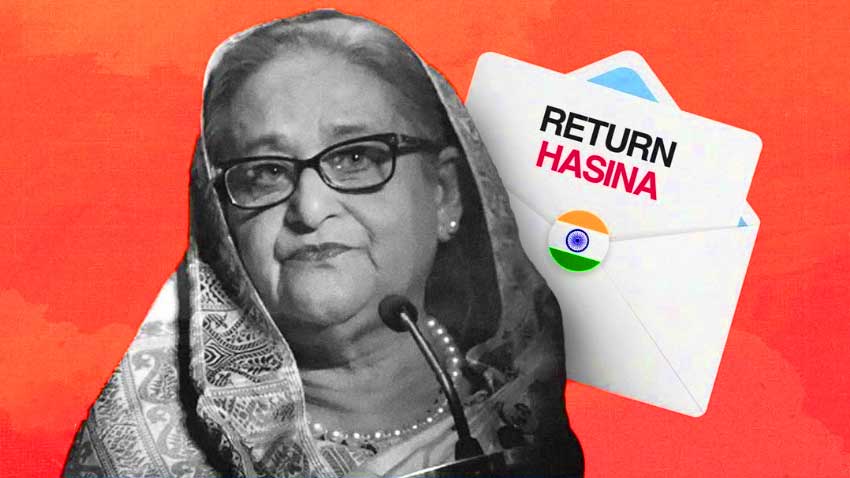
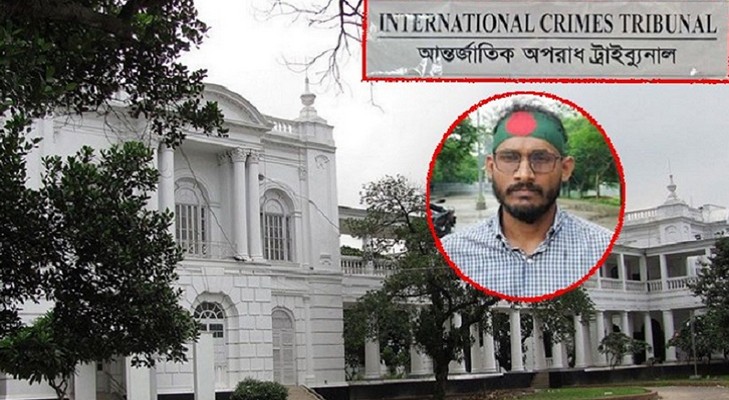
The interim government has sent another formal letter to India requesting the extradition of former prime minister Sheikh Hasina, who has been sentenced to death by the International Crimes Tribunal (ICT) for crimes against humanity.

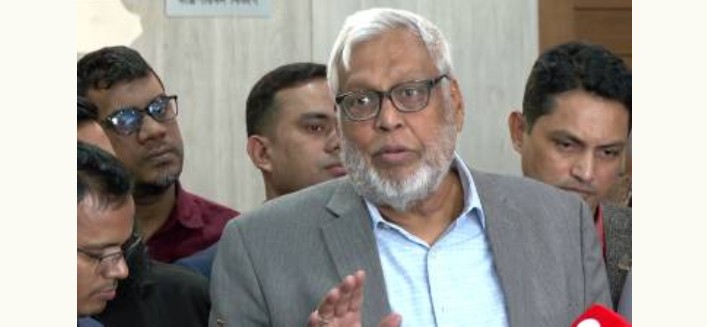
Foreign Affairs Adviser Touhid Hossain confirmed on Sunday that the letter was dispatched on Friday. Responding to questions from reporters on whether the letter had already been sent or was planned, he said, “It was sent the day before yesterday.”

On Monday, the ICT delivered its verdict against three accused in a case linked to the July uprising. Sheikh Hasina and her then–home minister Asaduzzaman Khan Kamal were handed the death penalty, while former inspector general of police Chowdhury Abdullah Al-Mamun—who testified as a state witness—was sentenced to five years in prison.

Hasina and Kamal have been in India since August 5.

Following the verdict, the Ministry of Foreign Affairs issued a formal statement urging New Delhi once again to return the two convicted leaders. Legal Adviser Asif Nazrul also told the media that another letter would be sent to India seeking their extradition.

A day later, he reiterated that plan, saying: “Since they have now been convicted and sentenced to death for crimes against humanity, we believe India has an added responsibility to return them.”

The fresh request was subsequently sent on Friday, confirmed the foreign affairs adviser.

The interim government previously wrote to India last December, shortly after the trial against Hasina began. Despite the progression of the case and delivery of the verdict, India has not yet responded to any of Dhaka’s requests.

Last month, when asked about Bangladesh’s letter, India’s Foreign Secretary Vikram Misri said that New Delhi was “reviewing the legal matters” involved.


Tag :

Write Your Comment

Your email address will not be published. Required fields are marked *

Save Your Email and Others Information

About Author Information

Dhaka sends fresh letter to Delhi urging Hasina’s extradition

Update Time : 09:33:40 pm, Sunday, 23 November 2025

The interim government has sent another formal letter to India requesting the extradition of former prime minister Sheikh Hasina, who has been sentenced to death by the International Crimes Tribunal (ICT) for crimes against humanity.

Foreign Affairs Adviser Touhid Hossain confirmed on Sunday that the letter was dispatched on Friday. Responding to questions from reporters on whether the letter had already been sent or was planned, he said, “It was sent the day before yesterday.”

On Monday, the ICT delivered its verdict against three accused in a case linked to the July uprising. Sheikh Hasina and her then–home minister Asaduzzaman Khan Kamal were handed the death penalty, while former inspector general of police Chowdhury Abdullah Al-Mamun—who testified as a state witness—was sentenced to five years in prison.

Hasina and Kamal have been in India since August 5.

Following the verdict, the Ministry of Foreign Affairs issued a formal statement urging New Delhi once again to return the two convicted leaders. Legal Adviser Asif Nazrul also told the media that another letter would be sent to India seeking their extradition.

A day later, he reiterated that plan, saying: “Since they have now been convicted and sentenced to death for crimes against humanity, we believe India has an added responsibility to return them.”

The fresh request was subsequently sent on Friday, confirmed the foreign affairs adviser.

The interim government previously wrote to India last December, shortly after the trial against Hasina began. Despite the progression of the case and delivery of the verdict, India has not yet responded to any of Dhaka’s requests.

Last month, when asked about Bangladesh’s letter, India’s Foreign Secretary Vikram Misri said that New Delhi was “reviewing the legal matters” involved.