5:44 am, Friday, 5 December 2025

Finance Adviser backs referendum, election on same-day

  • Reporter Name
  • Update Time : 09:32:26 pm, Monday, 24 November 2025
  • 15 Time View

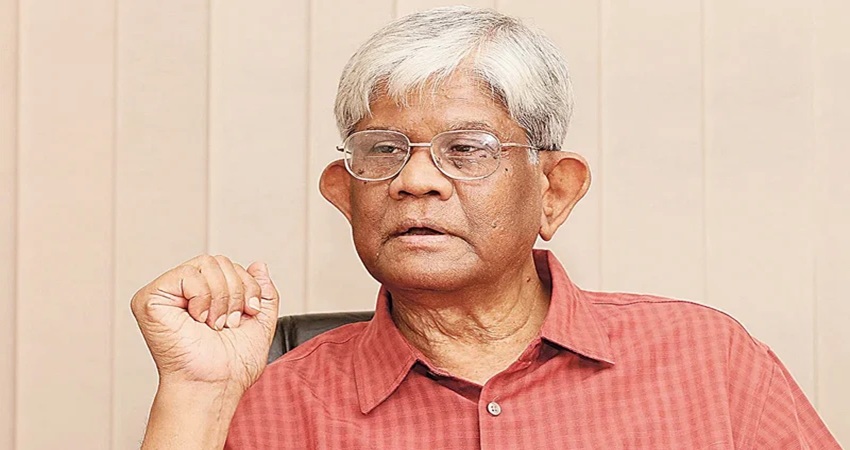
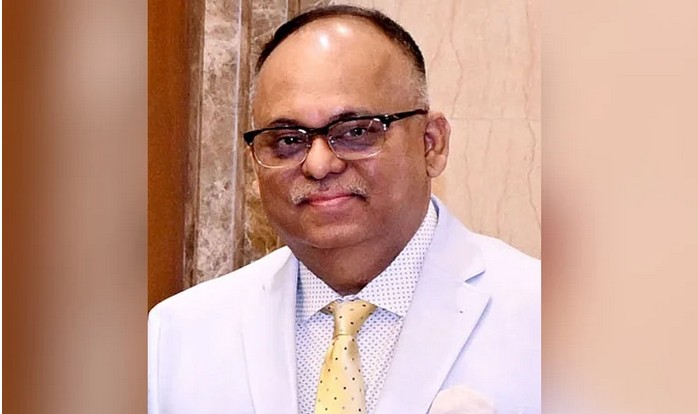
Finance Adviser Dr. Salehuddin Ahmed has emphasized that the upcoming parliamentary elections and national referendum should be held on the same day despite logistical challenges, calling it a more efficient and practical approach.

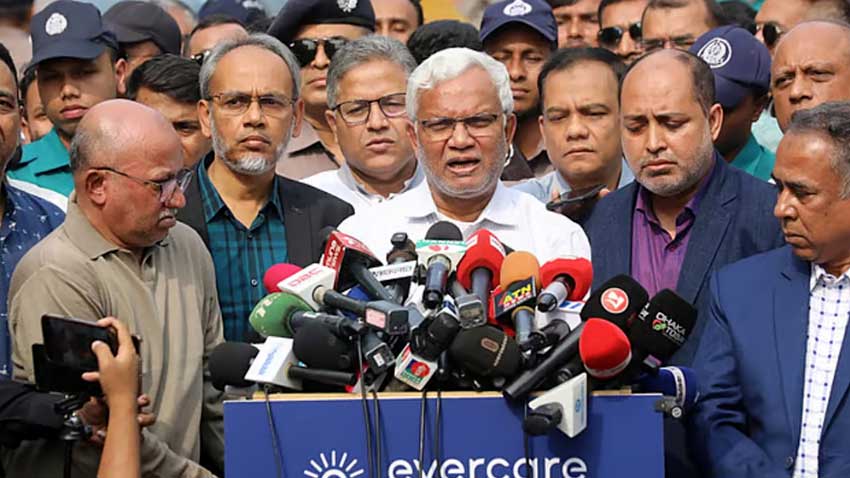
Speaking to journalists after attending the Advisory Council Committee on Government Procurement meeting at the Prime Minister’s Office on Monday, Dr. Salehuddin said that the decision follows guidance from the Chief Advisor of the interim government, who favors consolidating both events into a single electoral day. “Even if it is a challenge, we have to accept the challenge of doing it on the same day,” he stated.

He explained that holding two separate large-scale electoral exercises would require duplicating efforts in mobilizing personnel, including returning officers, polling staff, law enforcement, schoolteachers, and bank officials, placing immense strain on administrative resources.

“Doing it over two days means mobilizing so many people twice. You know it is not an easy task. Even junior bank officers and schoolteachers will be called on duty. Bringing them in for two separate days creates unnecessary difficulty. All things considered, it is better to do it in one day.”

Dr. Salehuddin noted that several countries successfully conduct combined electoral events, such as general elections and referendums, on a single day, underscoring that Bangladesh can follow suit without major complications.

“There is no reason why we cannot do this. Logistically, I believe it’s actually better, and entirely manageable with proper planning.”

When asked whether combining the events would increase costs beyond the Tk 3,000 crore already allocated for elections in the current budget, the Finance Advisor said exact figures remain uncertain due to evolving requirements, particularly concerning the referendum and overseas voter enrollment.

“I cannot say right now whether the cost will increase or decrease. The referendum was not part of our original projection when we finalized the election budget.”
He highlighted that new expenses may arise, especially as the process for enrolling overseas voters begins tomorrow, November 25, 2025. Diplomatic missions in countries like Japan and Singapore are already preparing infrastructure and outreach programs, which could entail additional operational and overtime costs.

“Their officers will work extra hours, we’ll make arrangements for that. These kinds of expenditures may add up, but nothing is final yet.”
Nonetheless, Salehuddin assured that financial provisions are being kept flexible. The Ministry of Finance is currently revising the national budget, with updates expected to be completed by January 2026, ensuring sufficient funds are available for the next elected government.“All election-related budgets are open-ended. Once the election schedule is announced, there won’t be requests for new funding lines. Regular or emergency needs can be met through existing mechanisms. The Election Commission also has access to contingency funds and coordination with the Ministry of Finance. So, there’s no need to worry about financing.”

While the Finance Advisor confirmed high-level policy direction, he acknowledged that the Election Commission has not yet received official instructions to proceed with simultaneous voting. Earlier, the Chief Election Commissioner described the prospect as “challenging,” citing concerns over operational feasibility and voter management.

Still, Dr. Salehuddin expressed confidence that with inter-agency cooperation and meticulous planning, a unified election day can be executed smoothly. “It can be done properly. And given the benefits in terms of cost, manpower, and efficiency, it should be done.”

Tag :

Write Your Comment

Your email address will not be published. Required fields are marked *

Save Your Email and Others Information

About Author Information

Finance Adviser backs referendum, election on same-day

Update Time : 09:32:26 pm, Monday, 24 November 2025

Finance Adviser Dr. Salehuddin Ahmed has emphasized that the upcoming parliamentary elections and national referendum should be held on the same day despite logistical challenges, calling it a more efficient and practical approach.

Speaking to journalists after attending the Advisory Council Committee on Government Procurement meeting at the Prime Minister’s Office on Monday, Dr. Salehuddin said that the decision follows guidance from the Chief Advisor of the interim government, who favors consolidating both events into a single electoral day. “Even if it is a challenge, we have to accept the challenge of doing it on the same day,” he stated.

He explained that holding two separate large-scale electoral exercises would require duplicating efforts in mobilizing personnel, including returning officers, polling staff, law enforcement, schoolteachers, and bank officials, placing immense strain on administrative resources.

“Doing it over two days means mobilizing so many people twice. You know it is not an easy task. Even junior bank officers and schoolteachers will be called on duty. Bringing them in for two separate days creates unnecessary difficulty. All things considered, it is better to do it in one day.”

Dr. Salehuddin noted that several countries successfully conduct combined electoral events, such as general elections and referendums, on a single day, underscoring that Bangladesh can follow suit without major complications.

“There is no reason why we cannot do this. Logistically, I believe it’s actually better, and entirely manageable with proper planning.”

When asked whether combining the events would increase costs beyond the Tk 3,000 crore already allocated for elections in the current budget, the Finance Advisor said exact figures remain uncertain due to evolving requirements, particularly concerning the referendum and overseas voter enrollment.

“I cannot say right now whether the cost will increase or decrease. The referendum was not part of our original projection when we finalized the election budget.”
He highlighted that new expenses may arise, especially as the process for enrolling overseas voters begins tomorrow, November 25, 2025. Diplomatic missions in countries like Japan and Singapore are already preparing infrastructure and outreach programs, which could entail additional operational and overtime costs.

“Their officers will work extra hours, we’ll make arrangements for that. These kinds of expenditures may add up, but nothing is final yet.”
Nonetheless, Salehuddin assured that financial provisions are being kept flexible. The Ministry of Finance is currently revising the national budget, with updates expected to be completed by January 2026, ensuring sufficient funds are available for the next elected government.“All election-related budgets are open-ended. Once the election schedule is announced, there won’t be requests for new funding lines. Regular or emergency needs can be met through existing mechanisms. The Election Commission also has access to contingency funds and coordination with the Ministry of Finance. So, there’s no need to worry about financing.”

While the Finance Advisor confirmed high-level policy direction, he acknowledged that the Election Commission has not yet received official instructions to proceed with simultaneous voting. Earlier, the Chief Election Commissioner described the prospect as “challenging,” citing concerns over operational feasibility and voter management.

Still, Dr. Salehuddin expressed confidence that with inter-agency cooperation and meticulous planning, a unified election day can be executed smoothly. “It can be done properly. And given the benefits in terms of cost, manpower, and efficiency, it should be done.”