
 Reporter Name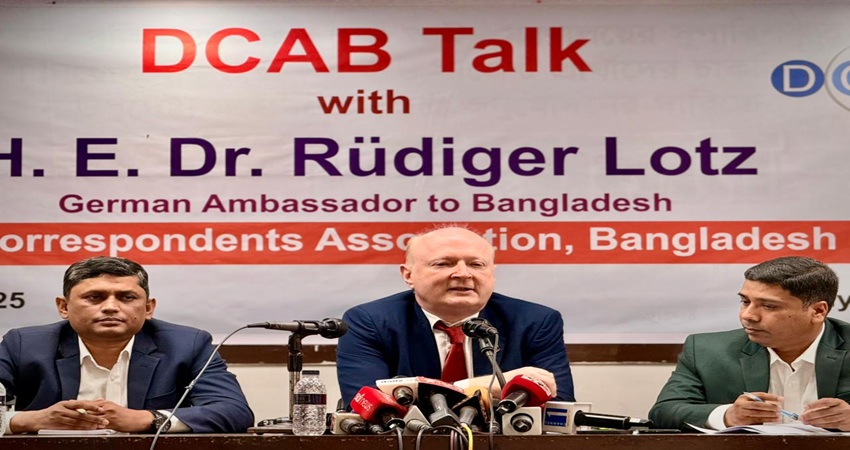
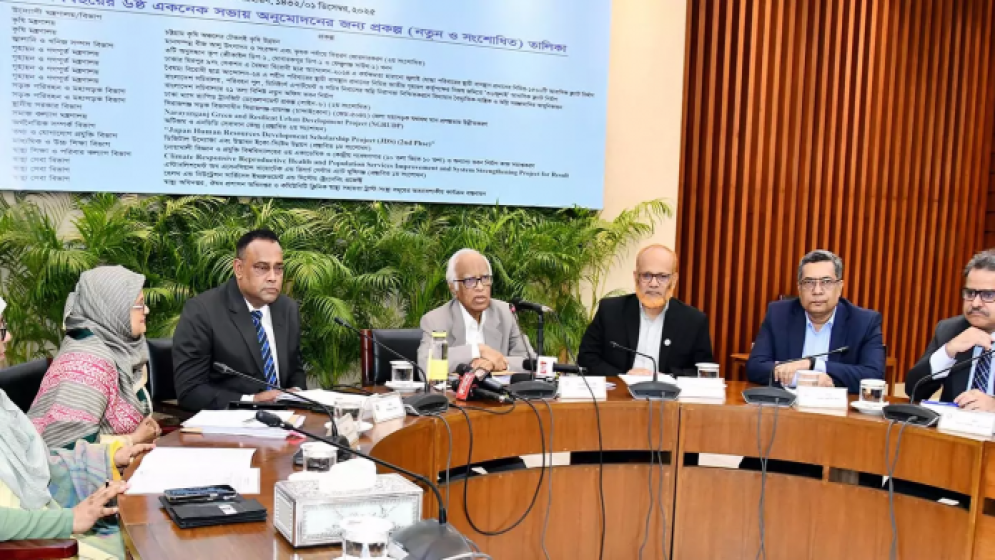
Speaking at a DCAB Talk organised by the Diplomatic Correspondents Association, Bangladesh (DCAB) at the Jatiya Press Club, the envoy said a credible election with broad participation is essential for Bangladesh as it transitions “from autocracy to democracy,” a development he believes carries significance beyond the country and for the wider Asian region.
Explaining the idea of a participatory election, Ambassador Lotz said it means ensuring that citizens can vote freely and that multiple parties can contest without obstacles.
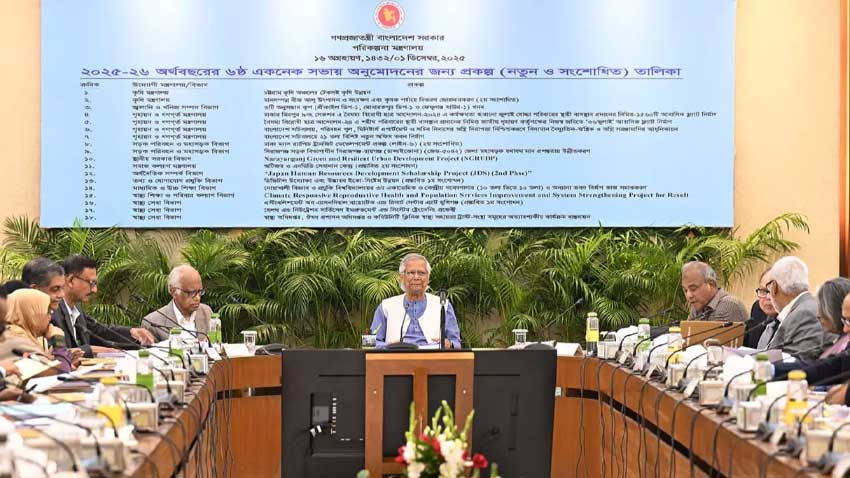
He referred to Chief Adviser Prof Muhammad Yunus’ view that voter turnout should reach at least 60 percent, calling it “very reasonable” and noting the importance of an election where people can express their views without intimidation and where ballots are counted properly.
The envoy, who presented his credentials in August, endorsed Prof Yunus’ phrase “joyful election,” adding that despite challenges, Bangladesh has their support. He said the European Union is likely to send a large election observer mission given the country’s importance.
The German envoy stressed that South Asia has “very little regional cooperation” compared to Europe and said enhanced collaboration is crucial regardless of which party comes to power.
“There are geographical realities, India will always be your neighbour, and China will always play a major role,” he said, adding that all other foreign policy choices will be for the next elected government to decide.
Ambassador Lotz highlighted the need for national reconciliation and dialogue, saying such efforts have been absent for many years. He said this may become necessary after the election but acknowledged it could be difficult as leaders of the previous government have “not admitted that something went profoundly wrong.”
He urged political parties to remain committed to the ongoing reform process, calling the July Charter a positive step. Germany and its EU partners, he said, believe that reforms initiated in August 2024 must be sustained irrespective of who forms the next government.
Asked about Germany’s position if convicted former Prime Minister Sheikh Hasina sought refuge in the country, the envoy said no such request has been made.
“If that would ever happen, we would start a discussion process, but it’s entirely theoretical at this stage,” he noted.
He emphasised the importance of having lawful procedures to address past injustices and abuses of power but reiterated Germany and the EU’s consistent stance against the death penalty “without exception.”