10:49 am, Friday, 2 January 2026

Begum Khaleda Zia (1945–2025): An Enduring Symbol of Democracy, Dignity, and National Unity

  • Reporter Name
  • Update Time : 09:38:32 am, Tuesday, 30 December 2025
  • 38 Time View

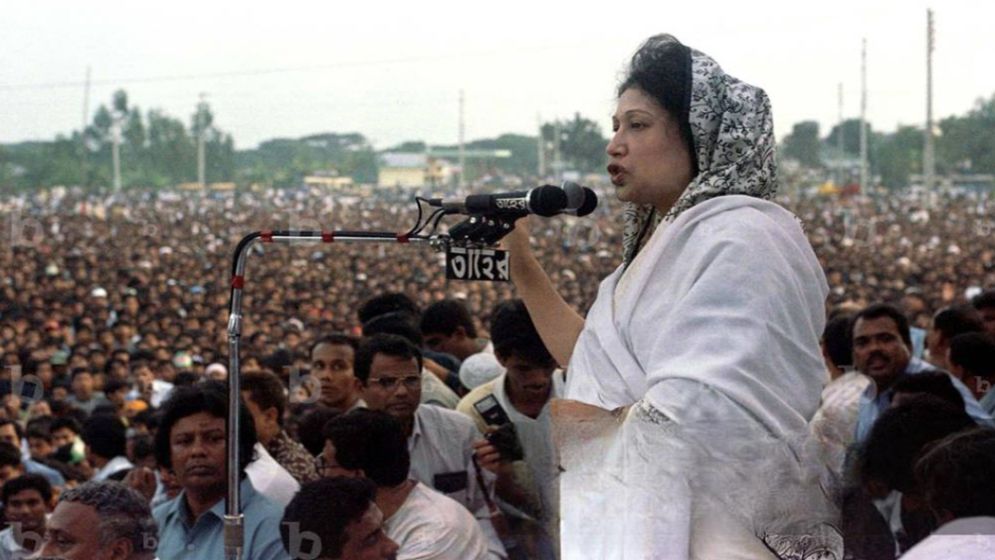
At 6:00am today, at Evercare Hospital in Dhaka, Bangladesh lost an extraordinary stateswoman, our national leader, a mother figure to the nation, Begum Khaleda Zia. With her passing, the country has lost a steadfast voice of democracy and a visionary architect of human development.

Begum Zia’s political life was forged in the fires of struggle. In the 1980s, standing at the forefront of the mass movement against the autocratic rule of Hussain Muhammad Ershad, she united the nation on the path to restoring democracy. In the following decade and a half, as democratic space once again narrowed, she remained uncompromising despite persecution, imprisonment, and illness, emerging as a symbol of resistance against authoritarian rule, particularly during the tenure of Sheikh Hasina. She transformed personal sacrifice into a national struggle.

Her leadership was not confined to opposing authoritarianism; it also strengthened the foundations of national unity. Rising above political differences, religion, and ethnicity, countless citizens came to see her as a symbol of constitutionalism, justice, and dignity. Even in times of intense polarization, her stance offered a refuge of trust and reassurance.

As a stateswoman, Begum Khaleda Zia’s development vision was ahead of its time. She placed health, nutrition, and education at the heart of national priorities, at a time when human development had yet to receive adequate attention in mainstream policymaking. The food- or cash-for-education programs introduced under her government in 1992/93 sparked a quiet revolution: girls’ enrollment and attendance in schools increased, women’s participation in the labor force expanded, and fertility rates declined through the empowering force of education. These initiatives did not merely change indicators, they opened new horizons of dignity and productivity in the lives of millions of women.

This model earned recognition internationally as well. Bangladesh’s education stipend and incentive-based initiatives were showcased in numerous global forums and inspired similar programs in countries including Nigeria, aimed at advancing women’s education and empowerment. This recognition underscored the core strength of Begum Zia’s policies: inclusive, pragmatic, and grounded in social justice.

On this day of mourning, Bangladesh remembers Begum Khaleda Zia not only as a three-time prime minister, but as a symbol of unity in divided times, a guardian of democracy in moments of fear, and a visionary policymaker for human development. She taught us that democracy is not a slogan; it is a continuous practice of courage, compassion, and resolve.

Begum Khaleda Zia is no longer with us, but her legacy will endure in the classrooms filled with girls who were able to continue their education; in the families who found new opportunities; and in a Bangladesh that still dreams of unity, freedom, and dignity. Remembering this great leader with profound respect, we pledge to carry forward her ideals on the path of democracy, humanity, and inclusive development.

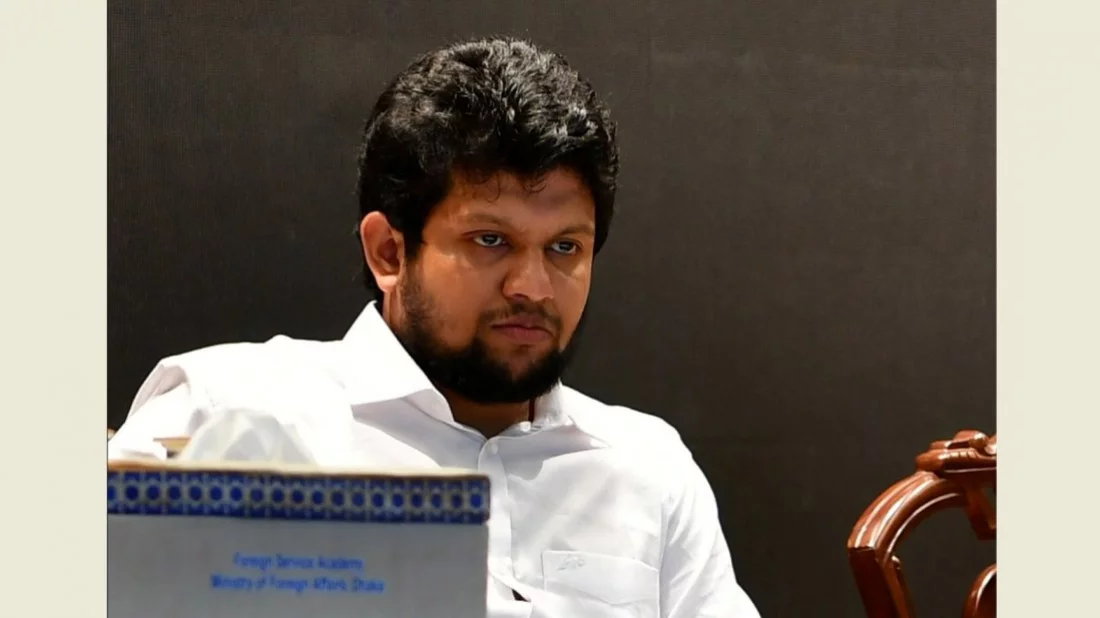
The writer is Adviser to the Chairperson, Bangladesh Nationalist Party and Former Senior Health and Nutrition Specialist, World Bank


Tag :

Write Your Comment

Your email address will not be published. Required fields are marked *

Save Your Email and Others Information

About Author Information

Begum Khaleda Zia (1945–2025): An Enduring Symbol of Democracy, Dignity, and National Unity

Update Time : 09:38:32 am, Tuesday, 30 December 2025

At 6:00am today, at Evercare Hospital in Dhaka, Bangladesh lost an extraordinary stateswoman, our national leader, a mother figure to the nation, Begum Khaleda Zia. With her passing, the country has lost a steadfast voice of democracy and a visionary architect of human development.

Begum Zia’s political life was forged in the fires of struggle. In the 1980s, standing at the forefront of the mass movement against the autocratic rule of Hussain Muhammad Ershad, she united the nation on the path to restoring democracy. In the following decade and a half, as democratic space once again narrowed, she remained uncompromising despite persecution, imprisonment, and illness, emerging as a symbol of resistance against authoritarian rule, particularly during the tenure of Sheikh Hasina. She transformed personal sacrifice into a national struggle.

Her leadership was not confined to opposing authoritarianism; it also strengthened the foundations of national unity. Rising above political differences, religion, and ethnicity, countless citizens came to see her as a symbol of constitutionalism, justice, and dignity. Even in times of intense polarization, her stance offered a refuge of trust and reassurance.

As a stateswoman, Begum Khaleda Zia’s development vision was ahead of its time. She placed health, nutrition, and education at the heart of national priorities, at a time when human development had yet to receive adequate attention in mainstream policymaking. The food- or cash-for-education programs introduced under her government in 1992/93 sparked a quiet revolution: girls’ enrollment and attendance in schools increased, women’s participation in the labor force expanded, and fertility rates declined through the empowering force of education. These initiatives did not merely change indicators, they opened new horizons of dignity and productivity in the lives of millions of women.

This model earned recognition internationally as well. Bangladesh’s education stipend and incentive-based initiatives were showcased in numerous global forums and inspired similar programs in countries including Nigeria, aimed at advancing women’s education and empowerment. This recognition underscored the core strength of Begum Zia’s policies: inclusive, pragmatic, and grounded in social justice.

On this day of mourning, Bangladesh remembers Begum Khaleda Zia not only as a three-time prime minister, but as a symbol of unity in divided times, a guardian of democracy in moments of fear, and a visionary policymaker for human development. She taught us that democracy is not a slogan; it is a continuous practice of courage, compassion, and resolve.

Begum Khaleda Zia is no longer with us, but her legacy will endure in the classrooms filled with girls who were able to continue their education; in the families who found new opportunities; and in a Bangladesh that still dreams of unity, freedom, and dignity. Remembering this great leader with profound respect, we pledge to carry forward her ideals on the path of democracy, humanity, and inclusive development.

The writer is Adviser to the Chairperson, Bangladesh Nationalist Party and Former Senior Health and Nutrition Specialist, World Bank