1:10 pm, Wednesday, 31 December 2025

After Khaleda Zia , what next for politics?

  • Reporter Name
  • Update Time : 11:08:13 am, Wednesday, 31 December 2025
  • 11 Time View

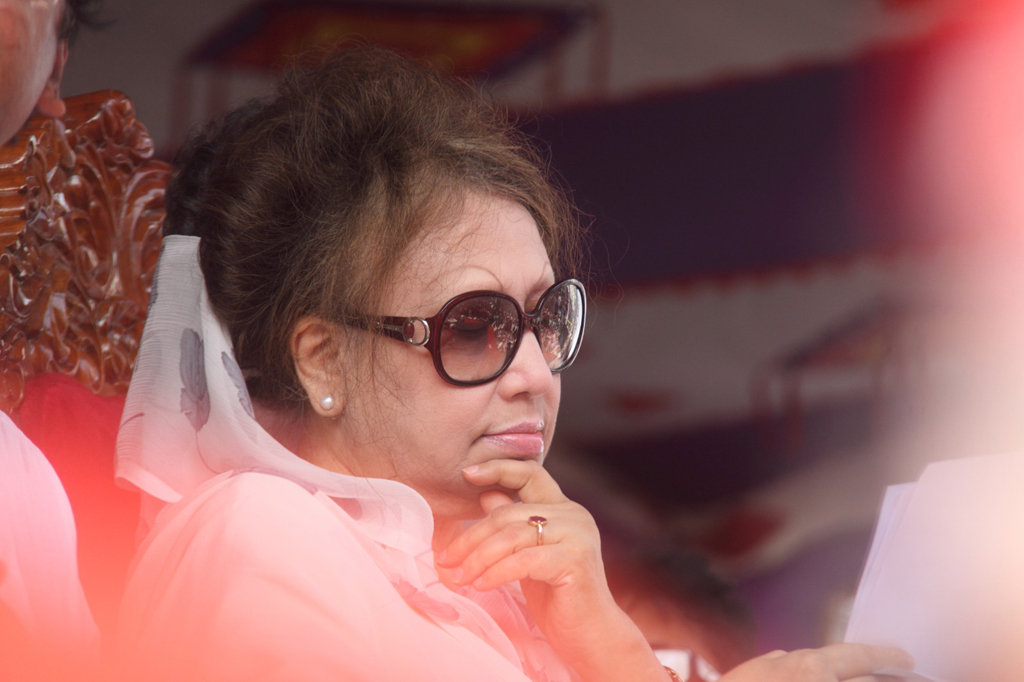
For more than four decades, Bangladesh’s politics moved to the rhythm of one rivalry: Khaleda Zia versus Sheikh Hasina. Now the country has entered a new chapter with one leader ousted and living in exile, the other gone after a long illness.

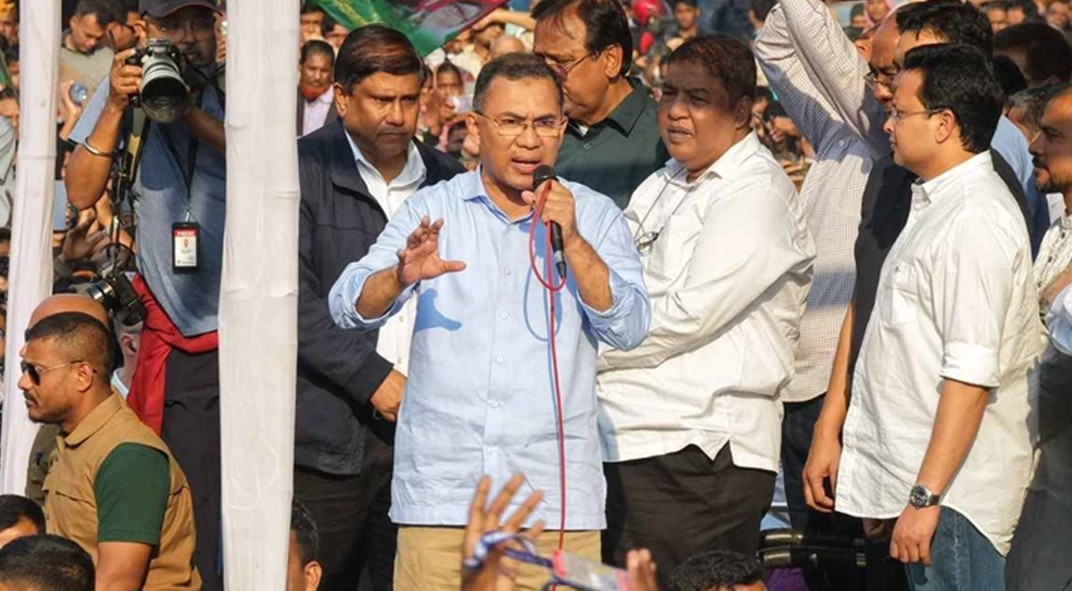
Since Khaleda’s imprisonment in 2018, her son Tarique Rahman has effectively run BNP. And in the changed reality after the 2024 civil uprising, Awami League President Hasina has been directing party activity online from New Delhi.

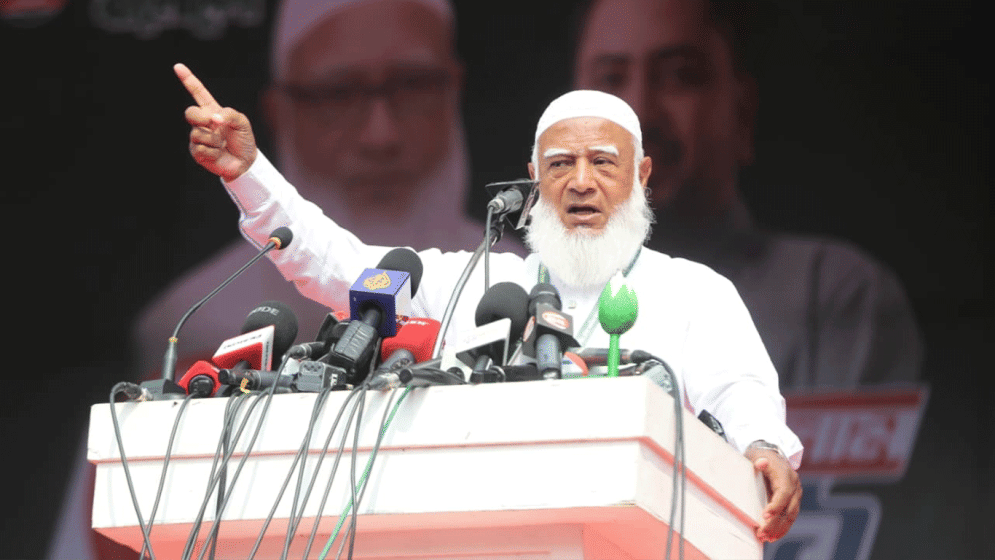
On the ground, the post-uprising vacuum has produced a new force: a coalition led by Jamaat-e-Islami.The question is where politics goes after the era of the “two leaders”.

Will an Awami League-free field open the way for a new phase of BNP dominance? Can the Awami League claw back to its old strength? Or will Jamaat fill the void, creating a new two-pole equation?

After the uprising, there was loud talk of a fresh political force riding the winds of change. Over the past one and a half years, that conversation has largely settled. Analysts say the shape of the new order, after Khaleda’s death and the end of the “two leaders” era, will take longer to understand.

The 13th parliamentary election will be one test. But few believe the February poll alone will settle every calculation.

‘HISTORY NEVER GOES BACKWARDS’

Former DUCSU general secretary Mushtuq Husain, a member of Bangladesh JaSaD’s standing committee, told bdnews24.com: “The old situation never returns. History never goes backwards. After the mass uprising, the dominance of the two-party order has changed, that is clear.”

He said it would take more time to see whether the old alignment of two rival camps re-emerges.

“We can’t yet say whether the long-running two-party stream of politics has changed, or whether it will,” he said.

“We will have to wait even after the election. One of the two parties is absent from the political field now, it is working indirectly or in secret, not openly.”

Referring to the post-uprising shift, he added: “They can’t come to the front. You can’t say at this moment, and you still won’t be able to say after the election, whether two-party politics has been replaced within some new stream.”

Mushtuq noted that when Khaleda was becoming the “uncompromising leader” through the anti-autocracy movement of the 1990s, he was a young student leader himself. He has watched Bangladesh’s politics turn through many bends over the past three-and-a-half decades.

Writer and researcher Mohiuddin Ahmed said the next phase must be read through the country’s democratic journey after the interim government.

“Bangladesh’s politics is where it is now, with an election ahead,” he said. “If the election isn’t derailed, if it happens properly, there will be some stability. If we had elections every five years, we might have ended up somewhere else by now. Let’s see.”

THE KHALEDA–HASINA DUEL

For more than three decades, the two most influential figures in Bangladesh’s politics were Khaleda and Hasina, known at home and abroad simply as the “two leaders”. In post-1975 Bangladesh, they set the country’s political direction more than anyone else.

At different times, each served as head of government, while the other led the opposition on the streets. Foreign media once portrayed their enmity as “the battle of the Begums”.

Under Khaleda and Hasina, the BNP and Awami League locked horns with each other for decades. The Awami League has long blamed the BNP for trying to kill Hasina in the Aug 21, 2004 grenade attack. The BNP, in turn, has blamed Hasina for Khaleda’s illness.

In 2010, during an Awami League government, Khaleda was evicted from her house on Shaheed Moinul Road. After boycotting the Jan 5, 2014 election, the BNP moved outside parliament. In that period of intense political pressure, Khaleda faced a growing pile of cases.

On Feb 8, 2018, a court convicted her in the Zia Orphanage Trust corruption case and sent her to prison. She was later sentenced in the Zia Charitable Trust case as well.

Two years later, during the Covid pandemic, the Awami League government suspended her sentence by executive order and released her on conditions on Mar 25, 2020. Under those terms, she had to remain at her Gulshan home and was not allowed to travel abroad for treatment.

After returning to Gulshan in 2020, she was admitted to hospital several times and underwent major surgeries. Her family repeatedly applied for permission for overseas treatment, but the Awami League government did not respond. During that period, Hasina also seen criticised Khaleda’s hospital trips at press conferences.

The fall of the Awami League government in the July Uprising changed everything. On Aug 7 that year, Khaleda was freed by presidential order. The High Court later acquitted her in the two cases, removing the stigma of conviction for corruption. Senior BNP leaders also secured relief from cases filed during the Awami League era.

In January this year, Khaleda went to London for treatment and returned. She was on course to take part in the general election.

Monday was the last day for nomination papers. Along with other BNP candidates, nomination papers were filed in Khaleda’s name in three constituencies.

HASINA IN EXILE AND OUT OF RACE

Hasina, the Awami League chief, has been in India after reportedly resigning as prime minister on Aug 5 amid a mass uprising. Some of her party’s senior leaders have been arrested, but most remain in hiding.

A string of cases has been filed against Hasina, members of her family and Awami League leaders. The International Crimes Tribunal sentenced Hasina to death after convicting her of crimes against humanity linked to efforts to suppress the uprising. She also received a prison term in a residential plot corruption case.

With the Awami League’s activities banned and its registration suspended, the party cannot contest this election.

POST-UPRISING POLITICS

For a long period, Bangladesh’s main electoral contest pitted the Awami League against the BNP, or the alliances led by each. Over 15 years of Awami League rule, the BNP and like-minded parties boycotted the 10th and 12th parliamentary elections, making those polls one-sided.

This time the Awami League is absent because of restrictions on its activities following the uprising, and its alliance partners are also off the field. Yet the election will be far from a lop-sided affair.

In the new reality, Jamaat-e-Islami has emerged as a major force in the fresh polarisation of national politics.

Meanwhile, the National Citizen Party (NCP), formed in February under leaders drawn from the frontline “coordinators” of the July Uprising, has been trying to organise itself. But many now believe that by declaring an electoral alliance with Jamaat, the NCP has buried its chances of becoming a “third force”.

The BNP and Jamaat have each formed separate “understanding alliances” and are preparing for the election. Large and small parties are now clustering around these two poles.

Under an electoral understanding with the BNP are Jamiat Ulema-e-Islam, Nagorik Oikya, Bangladesh Jatiya Party (Kazi Zafar), Islami Oikya Jote, Ganosamhati Andolon, Bangladesh Biplobi Workers Party, NPP, and Gonodhikar Parishad.

Bangladesh LDP Chairman Shahadat Hossain Selim and Bangladesh Jatiya Dal Chairman Syed Ehsanul Huda have joined the BNP with their leaders and activists.

Bobby Hajjaj, chairman of NDM, and Redwan Ahmed, secretary general of the Liberal Democratic Party (LDP), have also left their parties and become candidates for the “sheaf of paddy”, the BNP’s electoral symbol.

On the other side, Jamaat-e-Islami had been campaigning for months on various demands alongside seven other religion-based parties. That Eight-Party Alliance included Islami Andolon Bangladesh, Khelafat Majlis, Bangladesh Khelafat Majlis, Bangladesh Khelafat Andolon, Jatiya Ganatantrik Party (Jagpa), Bangladesh Nezame Islam Party, and Bangladesh Development Party.

Most recently, the youth-led NCP, Oli Ahmed’s Liberal Democratic Party (LDP), and the Amar Bangladesh Party (AB Party) have reached an electoral understanding with Jamaat’s alliance.

Several NCP leaders quit after the party moved towards Jamaat’s camp at the last moment. Some are now standing as independent candidates. Others took nomination papers but did not submit them.

‘TWO ROADS’ AHEAD

With the prospect of a far-right surge, many centrists and liberals are looking for refuge in the BNP. But they also face an uncomfortable fact: it was the BNP that helped Jamaat re-establish roots in Bangladesh’s politics — even taking it into government as a partner.

What the BNP does next under its new leader Tarique Rahman, especially on the Jamaat question, could help determine the direction of the road ahead.

Political analyst and journalist Muzzammil Husain Monju says two routes now lie open.

“One is a fight, struggle and negotiation with the right-wing, and the country will move into instability,” he said.

“The other is to open the doors of democratic politics to everyone as quickly as possible, including opening the doors to the Awami League, and move towards stabilising democracy, parliamentary democracy in the country.”

Tag :

Write Your Comment

Your email address will not be published. Required fields are marked *

Save Your Email and Others Information

About Author Information

After Khaleda Zia , what next for politics?

Update Time : 11:08:13 am, Wednesday, 31 December 2025

For more than four decades, Bangladesh’s politics moved to the rhythm of one rivalry: Khaleda Zia versus Sheikh Hasina. Now the country has entered a new chapter with one leader ousted and living in exile, the other gone after a long illness.

Since Khaleda’s imprisonment in 2018, her son Tarique Rahman has effectively run BNP. And in the changed reality after the 2024 civil uprising, Awami League President Hasina has been directing party activity online from New Delhi.

On the ground, the post-uprising vacuum has produced a new force: a coalition led by Jamaat-e-Islami.The question is where politics goes after the era of the “two leaders”.

Will an Awami League-free field open the way for a new phase of BNP dominance? Can the Awami League claw back to its old strength? Or will Jamaat fill the void, creating a new two-pole equation?

After the uprising, there was loud talk of a fresh political force riding the winds of change. Over the past one and a half years, that conversation has largely settled. Analysts say the shape of the new order, after Khaleda’s death and the end of the “two leaders” era, will take longer to understand.

The 13th parliamentary election will be one test. But few believe the February poll alone will settle every calculation.

‘HISTORY NEVER GOES BACKWARDS’

Former DUCSU general secretary Mushtuq Husain, a member of Bangladesh JaSaD’s standing committee, told bdnews24.com: “The old situation never returns. History never goes backwards. After the mass uprising, the dominance of the two-party order has changed, that is clear.”

He said it would take more time to see whether the old alignment of two rival camps re-emerges.

“We can’t yet say whether the long-running two-party stream of politics has changed, or whether it will,” he said.

“We will have to wait even after the election. One of the two parties is absent from the political field now, it is working indirectly or in secret, not openly.”

Referring to the post-uprising shift, he added: “They can’t come to the front. You can’t say at this moment, and you still won’t be able to say after the election, whether two-party politics has been replaced within some new stream.”

Mushtuq noted that when Khaleda was becoming the “uncompromising leader” through the anti-autocracy movement of the 1990s, he was a young student leader himself. He has watched Bangladesh’s politics turn through many bends over the past three-and-a-half decades.

Writer and researcher Mohiuddin Ahmed said the next phase must be read through the country’s democratic journey after the interim government.

“Bangladesh’s politics is where it is now, with an election ahead,” he said. “If the election isn’t derailed, if it happens properly, there will be some stability. If we had elections every five years, we might have ended up somewhere else by now. Let’s see.”

THE KHALEDA–HASINA DUEL

For more than three decades, the two most influential figures in Bangladesh’s politics were Khaleda and Hasina, known at home and abroad simply as the “two leaders”. In post-1975 Bangladesh, they set the country’s political direction more than anyone else.

At different times, each served as head of government, while the other led the opposition on the streets. Foreign media once portrayed their enmity as “the battle of the Begums”.

Under Khaleda and Hasina, the BNP and Awami League locked horns with each other for decades. The Awami League has long blamed the BNP for trying to kill Hasina in the Aug 21, 2004 grenade attack. The BNP, in turn, has blamed Hasina for Khaleda’s illness.

In 2010, during an Awami League government, Khaleda was evicted from her house on Shaheed Moinul Road. After boycotting the Jan 5, 2014 election, the BNP moved outside parliament. In that period of intense political pressure, Khaleda faced a growing pile of cases.

On Feb 8, 2018, a court convicted her in the Zia Orphanage Trust corruption case and sent her to prison. She was later sentenced in the Zia Charitable Trust case as well.

Two years later, during the Covid pandemic, the Awami League government suspended her sentence by executive order and released her on conditions on Mar 25, 2020. Under those terms, she had to remain at her Gulshan home and was not allowed to travel abroad for treatment.

After returning to Gulshan in 2020, she was admitted to hospital several times and underwent major surgeries. Her family repeatedly applied for permission for overseas treatment, but the Awami League government did not respond. During that period, Hasina also seen criticised Khaleda’s hospital trips at press conferences.

The fall of the Awami League government in the July Uprising changed everything. On Aug 7 that year, Khaleda was freed by presidential order. The High Court later acquitted her in the two cases, removing the stigma of conviction for corruption. Senior BNP leaders also secured relief from cases filed during the Awami League era.

In January this year, Khaleda went to London for treatment and returned. She was on course to take part in the general election.

Monday was the last day for nomination papers. Along with other BNP candidates, nomination papers were filed in Khaleda’s name in three constituencies.

HASINA IN EXILE AND OUT OF RACE

Hasina, the Awami League chief, has been in India after reportedly resigning as prime minister on Aug 5 amid a mass uprising. Some of her party’s senior leaders have been arrested, but most remain in hiding.

A string of cases has been filed against Hasina, members of her family and Awami League leaders. The International Crimes Tribunal sentenced Hasina to death after convicting her of crimes against humanity linked to efforts to suppress the uprising. She also received a prison term in a residential plot corruption case.

With the Awami League’s activities banned and its registration suspended, the party cannot contest this election.

POST-UPRISING POLITICS

For a long period, Bangladesh’s main electoral contest pitted the Awami League against the BNP, or the alliances led by each. Over 15 years of Awami League rule, the BNP and like-minded parties boycotted the 10th and 12th parliamentary elections, making those polls one-sided.

This time the Awami League is absent because of restrictions on its activities following the uprising, and its alliance partners are also off the field. Yet the election will be far from a lop-sided affair.

In the new reality, Jamaat-e-Islami has emerged as a major force in the fresh polarisation of national politics.

Meanwhile, the National Citizen Party (NCP), formed in February under leaders drawn from the frontline “coordinators” of the July Uprising, has been trying to organise itself. But many now believe that by declaring an electoral alliance with Jamaat, the NCP has buried its chances of becoming a “third force”.

The BNP and Jamaat have each formed separate “understanding alliances” and are preparing for the election. Large and small parties are now clustering around these two poles.

Under an electoral understanding with the BNP are Jamiat Ulema-e-Islam, Nagorik Oikya, Bangladesh Jatiya Party (Kazi Zafar), Islami Oikya Jote, Ganosamhati Andolon, Bangladesh Biplobi Workers Party, NPP, and Gonodhikar Parishad.

Bangladesh LDP Chairman Shahadat Hossain Selim and Bangladesh Jatiya Dal Chairman Syed Ehsanul Huda have joined the BNP with their leaders and activists.

Bobby Hajjaj, chairman of NDM, and Redwan Ahmed, secretary general of the Liberal Democratic Party (LDP), have also left their parties and become candidates for the “sheaf of paddy”, the BNP’s electoral symbol.

On the other side, Jamaat-e-Islami had been campaigning for months on various demands alongside seven other religion-based parties. That Eight-Party Alliance included Islami Andolon Bangladesh, Khelafat Majlis, Bangladesh Khelafat Majlis, Bangladesh Khelafat Andolon, Jatiya Ganatantrik Party (Jagpa), Bangladesh Nezame Islam Party, and Bangladesh Development Party.

Most recently, the youth-led NCP, Oli Ahmed’s Liberal Democratic Party (LDP), and the Amar Bangladesh Party (AB Party) have reached an electoral understanding with Jamaat’s alliance.

Several NCP leaders quit after the party moved towards Jamaat’s camp at the last moment. Some are now standing as independent candidates. Others took nomination papers but did not submit them.

‘TWO ROADS’ AHEAD

With the prospect of a far-right surge, many centrists and liberals are looking for refuge in the BNP. But they also face an uncomfortable fact: it was the BNP that helped Jamaat re-establish roots in Bangladesh’s politics — even taking it into government as a partner.

What the BNP does next under its new leader Tarique Rahman, especially on the Jamaat question, could help determine the direction of the road ahead.

Political analyst and journalist Muzzammil Husain Monju says two routes now lie open.

“One is a fight, struggle and negotiation with the right-wing, and the country will move into instability,” he said.

“The other is to open the doors of democratic politics to everyone as quickly as possible, including opening the doors to the Awami League, and move towards stabilising democracy, parliamentary democracy in the country.”