5:36 pm, Wednesday, 14 January 2026

Legacy to leadership : Khaleda Zia story ends , Tarique’s begin

  • Reporter Name
  • Update Time : 04:40:49 pm, Friday, 2 January 2026
  • 28 Time View

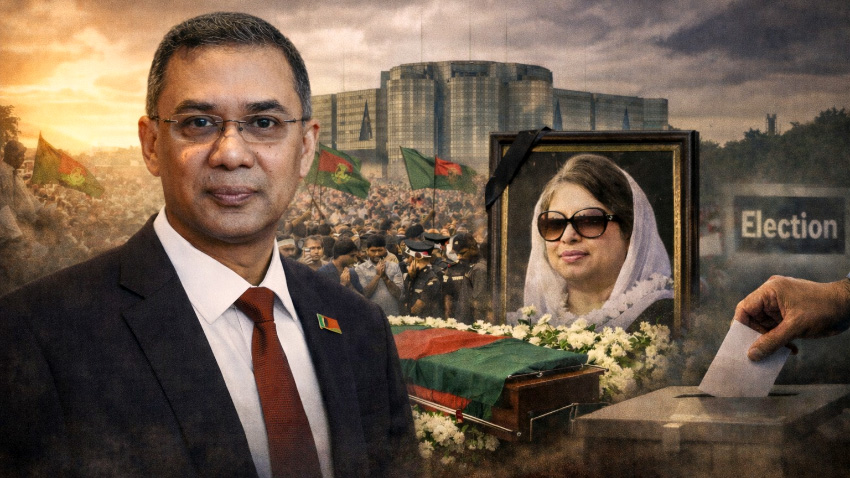
Just before 2025 came to its eventful end, the last 5 days of December wrote its own political epitaph in Bangladesh: A homecoming long delayed, and a farewell long feared. Between the two, the country now faces itself pausing—caught between memories and promises , as if , grief and anticipation arrived almost together, reshaping not only the country’s biggest political party, but also the mood of the country itself.

The return of BNP’s Acting Chairman Tarique Rahman to Bangladesh after 17 years in exile on 25 December, followed closely by the death of his mother Party Chairperson and Former Prime Minister Khaleda Zia on 30 December, undeniably marks two of the most consequential moments in the country’s political history since restoration of democratic electoral politics. Combined together, these two events, happening in less than a week time, have re-shaped BNP and opened a new chapter in our national political landscape ahead of the upcoming elections.

For BNP, Khaleda Zia’s death closes a defining chapter. As a founding leader, thrice-elected prime minister, and the last unifying symbol of the party across generations and factions, her presence—despite years of illness and political marginalization—anchored BNP’s identity. On that note – her passing has resulted both in creating a vacuum and a moment of consolidation. The party has lost its most powerful moral and historical reference point, but it has also been relieved of prolonged uncertainty over succession. Between legacy and a new leadership the party now faces a defining hour.

The upcoming elections will be directly shaped by these twin events. BNP enters the electoral arena with a re-newed momentum, a clear leader on the ground, and heightened public attention. This may encourage greater voter engagement and make a one-sided contest harder to sustain. However, the party also faces structural challenges: rebuilding trust with undecided voters, managing internal discipline, and articulating a forward-looking agenda rather than relying solely on legacy and emotion.

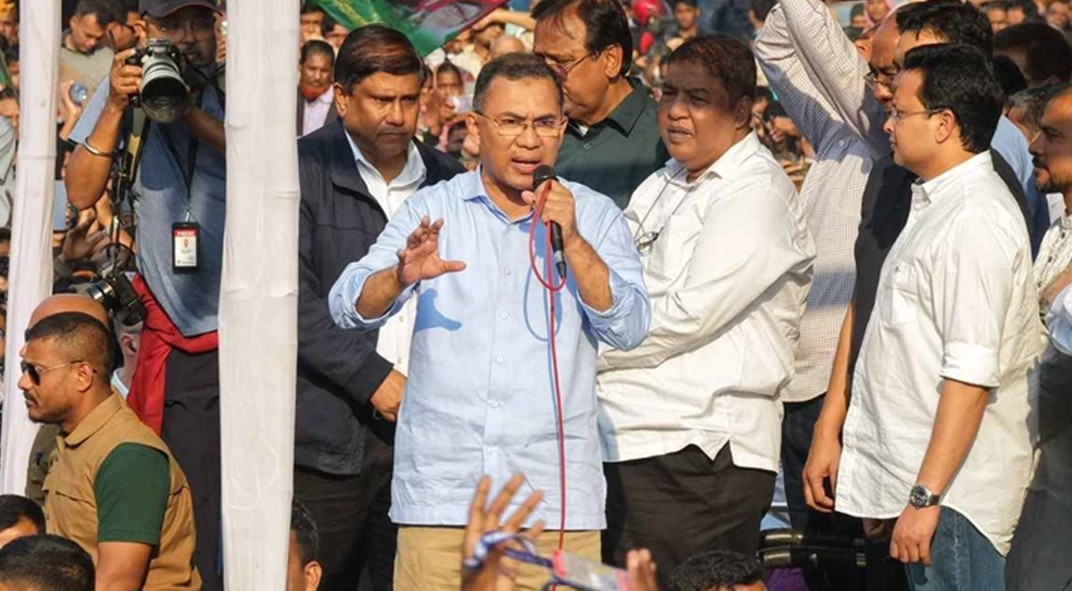
That succession now rests squarely with Tarique Rahman. His return from exile has now fundamentally altered BNP’s internal dynamics. For years, the party operated through remote and distant leadership, legal constraints and fragmented chains of command. Mr Rahman’s physical presence now allows BNP to re-organize, re-group, and re-energize grassroots networks and offers clearer leadership structure to supporters and rivals alike. At the same time, his leadership will be tested by growing expectations by people from all walks of life and the scrutiny that inevitably accompanies it—both from within the party and from the broader electorate.

Beyond impacting BNP, both events carry wider implications for Bangladesh’s political environment. Khaleda Zia’s death has already triggered a wave of sympathy cutting-across- party-lines, reminding of an era when competitive politics, however flawed, felt more pluralistic. How BNP channels this sentiment to a greater reconciliation and democratic participation or whether toward a confrontation—will be decisive. Tarique Rahman’s choices in framing his political tone and strategy may either reduce political polarization or deepen it. The BNP leader now is burdened with a colossal responsibility, the changed BNP leadership calculus demands recalibration. A politically active Tarique Rahman raises the stakes of electoral credibility, participation, and competition. The conduct of the elections—fairness, inclusiveness, and acceptance of outcomes—will now be scrutinized domestically and internationally more closely than before. By choosing restraint over rhetoric and dialogue over confrontation, he can manifestly reduce existing political polarization.

Ultimately, these two events present Bangladesh with a rare inflection point. The end of one political era and the beginning of another can either harden old divisions or open space for renewal. Whether the coming election becomes a step toward restoring democratic confidence or another missed opportunity will depend not only on BNP’s transformation, but on the collective political goodwill extended by all actors to prioritize institutions, dialogue, and the voters’ will over zero-sum calculations.

Impacts of both landmark events will ultimately be judged less by symbolism than by choices: Whether the new leader can move BNP from legacy-driven mobilization to programmatic politics, and whether his leadership reduces polarization while expanding electoral competition. If he succeeds, his return could well mark a structural shift in Bangladesh’s opposition politics, if not, it risks becoming another moment of promise constrained by old patterns.

History has moved quickly, perhaps too quickly. How wisely Mr Rahman and other political actors navigates through with a collective goodwill would define the country’s trajectory leading to the upcoming polls in February next year.

Tag :

Write Your Comment

Your email address will not be published. Required fields are marked *

Save Your Email and Others Information

About Author Information

Legacy to leadership : Khaleda Zia story ends , Tarique’s begin

Update Time : 04:40:49 pm, Friday, 2 January 2026

Just before 2025 came to its eventful end, the last 5 days of December wrote its own political epitaph in Bangladesh: A homecoming long delayed, and a farewell long feared. Between the two, the country now faces itself pausing—caught between memories and promises , as if , grief and anticipation arrived almost together, reshaping not only the country’s biggest political party, but also the mood of the country itself.

The return of BNP’s Acting Chairman Tarique Rahman to Bangladesh after 17 years in exile on 25 December, followed closely by the death of his mother Party Chairperson and Former Prime Minister Khaleda Zia on 30 December, undeniably marks two of the most consequential moments in the country’s political history since restoration of democratic electoral politics. Combined together, these two events, happening in less than a week time, have re-shaped BNP and opened a new chapter in our national political landscape ahead of the upcoming elections.

For BNP, Khaleda Zia’s death closes a defining chapter. As a founding leader, thrice-elected prime minister, and the last unifying symbol of the party across generations and factions, her presence—despite years of illness and political marginalization—anchored BNP’s identity. On that note – her passing has resulted both in creating a vacuum and a moment of consolidation. The party has lost its most powerful moral and historical reference point, but it has also been relieved of prolonged uncertainty over succession. Between legacy and a new leadership the party now faces a defining hour.

The upcoming elections will be directly shaped by these twin events. BNP enters the electoral arena with a re-newed momentum, a clear leader on the ground, and heightened public attention. This may encourage greater voter engagement and make a one-sided contest harder to sustain. However, the party also faces structural challenges: rebuilding trust with undecided voters, managing internal discipline, and articulating a forward-looking agenda rather than relying solely on legacy and emotion.

That succession now rests squarely with Tarique Rahman. His return from exile has now fundamentally altered BNP’s internal dynamics. For years, the party operated through remote and distant leadership, legal constraints and fragmented chains of command. Mr Rahman’s physical presence now allows BNP to re-organize, re-group, and re-energize grassroots networks and offers clearer leadership structure to supporters and rivals alike. At the same time, his leadership will be tested by growing expectations by people from all walks of life and the scrutiny that inevitably accompanies it—both from within the party and from the broader electorate.

Beyond impacting BNP, both events carry wider implications for Bangladesh’s political environment. Khaleda Zia’s death has already triggered a wave of sympathy cutting-across- party-lines, reminding of an era when competitive politics, however flawed, felt more pluralistic. How BNP channels this sentiment to a greater reconciliation and democratic participation or whether toward a confrontation—will be decisive. Tarique Rahman’s choices in framing his political tone and strategy may either reduce political polarization or deepen it. The BNP leader now is burdened with a colossal responsibility, the changed BNP leadership calculus demands recalibration. A politically active Tarique Rahman raises the stakes of electoral credibility, participation, and competition. The conduct of the elections—fairness, inclusiveness, and acceptance of outcomes—will now be scrutinized domestically and internationally more closely than before. By choosing restraint over rhetoric and dialogue over confrontation, he can manifestly reduce existing political polarization.

Ultimately, these two events present Bangladesh with a rare inflection point. The end of one political era and the beginning of another can either harden old divisions or open space for renewal. Whether the coming election becomes a step toward restoring democratic confidence or another missed opportunity will depend not only on BNP’s transformation, but on the collective political goodwill extended by all actors to prioritize institutions, dialogue, and the voters’ will over zero-sum calculations.

Impacts of both landmark events will ultimately be judged less by symbolism than by choices: Whether the new leader can move BNP from legacy-driven mobilization to programmatic politics, and whether his leadership reduces polarization while expanding electoral competition. If he succeeds, his return could well mark a structural shift in Bangladesh’s opposition politics, if not, it risks becoming another moment of promise constrained by old patterns.

History has moved quickly, perhaps too quickly. How wisely Mr Rahman and other political actors navigates through with a collective goodwill would define the country’s trajectory leading to the upcoming polls in February next year.