Reporter Name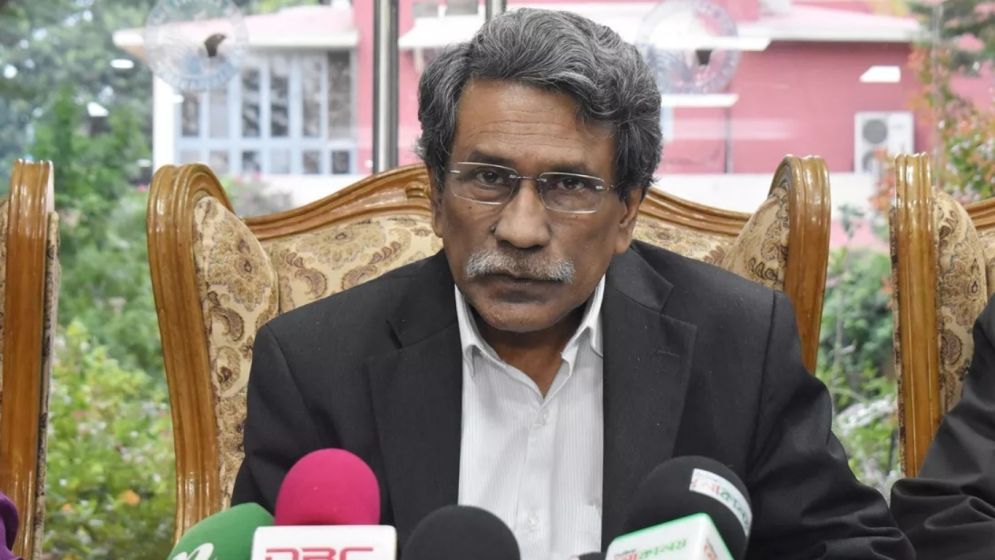
Prof Ali Riaz, special assistant to the chief adviser, has said that the upcoming referendum is intended to ensure that those who govern the country in the future can never again turn fascist.
He made the remarks on Thursday while delivering the keynote address at a workshop titled “The Upcoming Referendum and the Role of NGOs” at the NGO Affairs Bureau conference hall in Dhaka.
The workshop was chaired by NGO Affairs Bureau Director General Md Daud Mia.
Special discussants included Monir Haider, special assistant to the chief adviser (consensus), and Badiul Alam Majumdar, editor of Shujan.
Representatives from around 450 registered local and international NGOs participated in the event.
As the chief coordinator of the government’s referendum campaign, Prof Ali Riaz said that flawed constitutional and state structures have historically allowed those in power to become authoritarian.
He stressed that the path to fascism must be blocked by ensuring a “Yes” victory in the upcoming referendum.
Clarifying the purpose of the referendum, Prof Riaz said there is no confusion about what it is or why it is being held. Like other elections, the referendum will follow a standard voting process, but through it, the people will decide how Bangladesh will be governed in the future.
He added that voters will receive two ballots at polling centres—one white ballot for electing representatives and a coloured ballot for the referendum.
Emphasising the collective responsibility to create public awareness and ensure participation in the referendum, Prof Riaz said those who sacrificed their lives during the July mass uprising and those who were persecuted and remain hospitalised in the struggle to establish democracy have entrusted this responsibility to the people.
He further said that one of the country’s biggest crises is the lack of transparency and accountability at all levels of the state. According to him, if the July National Charter is implemented through public consent in the referendum, the path to ensuring transparency across all state institutions will become much smoother.
Recalling the contributions of NGOs and development workers in rebuilding independent Bangladesh, uplifting the poor, and responding to natural disasters and crises, Prof Riaz urged NGO representatives to play an important role in raising awareness about the referendum at the grassroots level, noting that people place trust in them.
Special discussant Monir Haider said that during Pakistani rule, the then authorities deprived people of their democratic rights. He noted that the dream of the freedom fighters was a country where citizens’ rights would be protected. He warned that unless the desired reforms are achieved through the referendum, the country risks returning to the situation that existed before 5 August.
Successful reforms, he said, would pave the way for a safe, beautiful, and democratic Bangladesh for future generations.
Monir Haider added that a “Yes” vote in favour of reforms would help establish an effective parliamentary system, restore a balance of power among state institutions, reform and decentralise the judiciary, and further enhance transparency and accountability in all aspects of governance.
At the workshop, Badiul presented a discussion titled “What Is the Referendum and Why?” on behalf of Shujan, highlighting the reforms outlined in the July National Charter and issues related to the referendum.
NGO Affairs Bureau Director General Md Daud Mia said NGOs, along with the bureau, would work closely to raise awareness about the referendum among an estimated 50–60 million direct beneficiaries of NGOs, as well as their families and indirect beneficiaries.