9:11 pm, Sunday, 25 January 2026

Farooki slams ICC neutrality in T20 WC

  • Reporter Name
  • Update Time : 11:11:27 pm, Friday, 23 January 2026
  • 18 Time View

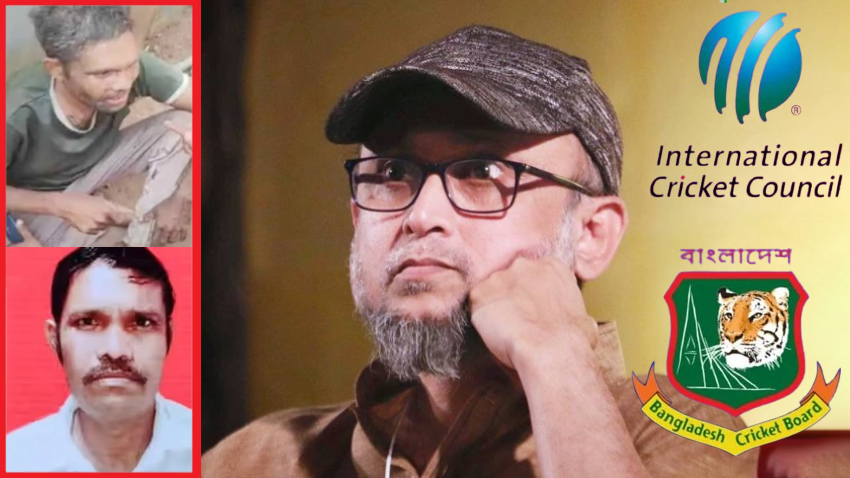
Cultural Affairs Adviser Mostofa Sarwar Farooki has publicly slammed the neutrality of International Cricket Council (ICC), accusing the global governing body of applying double standards on security issues involving Bangladesh while taking India and Pakistan’s concerns more seriously.

In a Facebook post on Wednesday, Farooki said the ICC dismissed Bangladesh’s security concerns despite recent incidents in India where people were allegedly beaten to death on suspicion of being Bangladeshi.

He argued that such incidents contradict the ICC’s claim that there is no security threat to Bangladeshi players and supporters in India.

In his post, Farooki referred to recent media reports of mob violence in India. He cited a report by The Telegraph of India stating that just a day earlier, a muslim man named Manjur Laskar, who was born in West Bengal, was beaten to death on suspicion of being Bangladeshi.

He noted that there have been multiple such incidents in recent times, raising serious questions about the safety of Bangladeshi nationals in India.

Farooki also mentioned warnings issued by Shiv Sena leader Aditya Thackeray regarding hosting a Bangladesh-India match in Mumbai. He said these developments, combined with what he described as a prolonged campaign of anti-Bangladesh sentiment in India, point to a tangible and serious security risk.

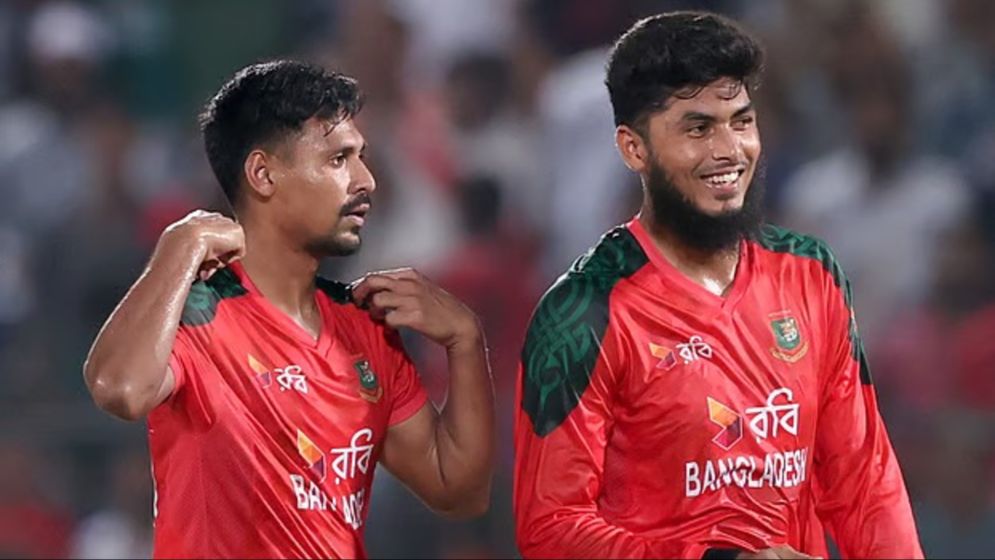
He further linked this environment to the recent removal of Bangladeshi cricketer Mustafizur Rahman from the Indian Premier League (IPL), suggesting it was another outcome of rising hostility.

The cultural affairs adviser said that while ICC has shown sensitivity to security concerns involving India and Pakistan, it has taken a different and dismissive stance when Bangladesh raised similar issues.

He argued that such an approach undermines the ICC’s claim of being a fair and impartial body for all its member nations.

Farooki said that if ICC genuinely wants to uphold neutrality and fairness, it must take Bangladesh’s security concerns seriously and relocate the matches from India to Sri Lanka. Ignoring these concerns, he warned, sends a troubling message about unequal treatment within international cricket governance.

The Bangladesh Cricket Board (BCB) had earlier requested the ICC to relocate Bangladesh’s matches in the upcoming T20 World Cup from India to Sri Lanka, citing safety concerns for players and fans.

However, the ICC rejected the request, maintaining that there was no credible security threat and directing Bangladesh to play its matches in India. The Bangladesh government has since indicated that it remains firm on its position against playing in India under the current circumstances.

Tag :

Write Your Comment

Your email address will not be published. Required fields are marked *

Save Your Email and Others Information

About Author Information

Farooki slams ICC neutrality in T20 WC

Update Time : 11:11:27 pm, Friday, 23 January 2026

Cultural Affairs Adviser Mostofa Sarwar Farooki has publicly slammed the neutrality of International Cricket Council (ICC), accusing the global governing body of applying double standards on security issues involving Bangladesh while taking India and Pakistan’s concerns more seriously.

In a Facebook post on Wednesday, Farooki said the ICC dismissed Bangladesh’s security concerns despite recent incidents in India where people were allegedly beaten to death on suspicion of being Bangladeshi.

He argued that such incidents contradict the ICC’s claim that there is no security threat to Bangladeshi players and supporters in India.

In his post, Farooki referred to recent media reports of mob violence in India. He cited a report by The Telegraph of India stating that just a day earlier, a muslim man named Manjur Laskar, who was born in West Bengal, was beaten to death on suspicion of being Bangladeshi.

He noted that there have been multiple such incidents in recent times, raising serious questions about the safety of Bangladeshi nationals in India.

Farooki also mentioned warnings issued by Shiv Sena leader Aditya Thackeray regarding hosting a Bangladesh-India match in Mumbai. He said these developments, combined with what he described as a prolonged campaign of anti-Bangladesh sentiment in India, point to a tangible and serious security risk.

He further linked this environment to the recent removal of Bangladeshi cricketer Mustafizur Rahman from the Indian Premier League (IPL), suggesting it was another outcome of rising hostility.

The cultural affairs adviser said that while ICC has shown sensitivity to security concerns involving India and Pakistan, it has taken a different and dismissive stance when Bangladesh raised similar issues.

He argued that such an approach undermines the ICC’s claim of being a fair and impartial body for all its member nations.

Farooki said that if ICC genuinely wants to uphold neutrality and fairness, it must take Bangladesh’s security concerns seriously and relocate the matches from India to Sri Lanka. Ignoring these concerns, he warned, sends a troubling message about unequal treatment within international cricket governance.

The Bangladesh Cricket Board (BCB) had earlier requested the ICC to relocate Bangladesh’s matches in the upcoming T20 World Cup from India to Sri Lanka, citing safety concerns for players and fans.

However, the ICC rejected the request, maintaining that there was no credible security threat and directing Bangladesh to play its matches in India. The Bangladesh government has since indicated that it remains firm on its position against playing in India under the current circumstances.