10:01 pm, Thursday, 19 February 2026

SC suspends HC order on school closure during Ramadan

  • Reporter Name
  • Update Time : 06:52:07 pm, Monday, 16 February 2026
  • 85 Time View

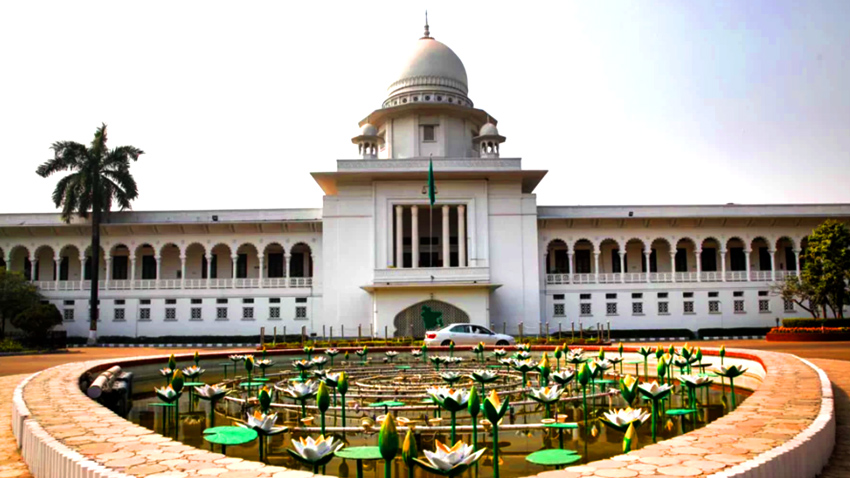
The Appellate Division of the Supreme Court (SC) on Monday suspended a High Court (HC) order that had directed the closure of all government and non-government lower secondary and secondary schools throughout Ramadan month.

The stay order was issued on Monday (February 16) by Chamber Judge Justice Farah Mahbub of the Appellate Division, providing immediate relief to the government’s decision to keep schools open during the holy month.

Representing state during the hearing, Additional Attorney General Aneek R Haque argued in favour of suspending the HC directive.

The suspension order had been passed a day earlier, on February 14, by a HC bench comprising Justice Fahmida Kader and Justice Md Asif Hassan. That bench had instructed authorities to keep all lower secondary and secondary schools closed for the entire duration of Ramadan.

The HC ruling followed a writ petition filed by Supreme Court lawyer Md Ilias Ali Mondol, who argued that keeping schools open during Ramadan was unconstitutional and contrary to long-standing practice in Bangladesh. The petition was supported in court by advocate Tanzina Bobby Liza.

Prior to filing the writ, the petitioner had served a legal notice on January 5, urging the government to close primary and secondary schools during Ramadan. The notice was sent to the secretaries of the Ministry of Education and the Ministry of Primary and Mass Education.

In the notice, the petitioner stated that around 98 percent of Bangladesh’s population is Muslim and that, since independence, educational institutions have traditionally remained closed during Ramadan.

He argued that such practice constitutes law, custom and policy under Article 152(1) of the Constitution, which recognises established customs as having the force of law.

He further cited Article 31 of the Constitution, which guarantees protection of law, claiming that the government’s decision to keep schools open during Ramadan was unconstitutional.

The notice also highlighted concerns about students’ physical and religious well-being, stating that fasting while attending full school days could discourage children and adolescents from observing Ramadan.

It additionally argued that keeping schools open during the holy month would worsen traffic congestion in major cities, causing severe public inconvenience.

As no response was received from the authorities following the legal notice, the writ petition was filed, leading to the initial High Court order that has now been stayed.

With the Appellate Division’s decision, the High Court directive will remain suspended until further orders, allowing schools to continue operating during Ramadan unless a final ruling states otherwise.


Tag :

Write Your Comment

Your email address will not be published. Required fields are marked *

Save Your Email and Others Information

About Author Information

SC suspends HC order on school closure during Ramadan

Update Time : 06:52:07 pm, Monday, 16 February 2026

The Appellate Division of the Supreme Court (SC) on Monday suspended a High Court (HC) order that had directed the closure of all government and non-government lower secondary and secondary schools throughout Ramadan month.

The stay order was issued on Monday (February 16) by Chamber Judge Justice Farah Mahbub of the Appellate Division, providing immediate relief to the government’s decision to keep schools open during the holy month.

Representing state during the hearing, Additional Attorney General Aneek R Haque argued in favour of suspending the HC directive.

The suspension order had been passed a day earlier, on February 14, by a HC bench comprising Justice Fahmida Kader and Justice Md Asif Hassan. That bench had instructed authorities to keep all lower secondary and secondary schools closed for the entire duration of Ramadan.

The HC ruling followed a writ petition filed by Supreme Court lawyer Md Ilias Ali Mondol, who argued that keeping schools open during Ramadan was unconstitutional and contrary to long-standing practice in Bangladesh. The petition was supported in court by advocate Tanzina Bobby Liza.

Prior to filing the writ, the petitioner had served a legal notice on January 5, urging the government to close primary and secondary schools during Ramadan. The notice was sent to the secretaries of the Ministry of Education and the Ministry of Primary and Mass Education.

In the notice, the petitioner stated that around 98 percent of Bangladesh’s population is Muslim and that, since independence, educational institutions have traditionally remained closed during Ramadan.

He argued that such practice constitutes law, custom and policy under Article 152(1) of the Constitution, which recognises established customs as having the force of law.

He further cited Article 31 of the Constitution, which guarantees protection of law, claiming that the government’s decision to keep schools open during Ramadan was unconstitutional.

The notice also highlighted concerns about students’ physical and religious well-being, stating that fasting while attending full school days could discourage children and adolescents from observing Ramadan.

It additionally argued that keeping schools open during the holy month would worsen traffic congestion in major cities, causing severe public inconvenience.

As no response was received from the authorities following the legal notice, the writ petition was filed, leading to the initial High Court order that has now been stayed.

With the Appellate Division’s decision, the High Court directive will remain suspended until further orders, allowing schools to continue operating during Ramadan unless a final ruling states otherwise.