9:56 pm, Thursday, 19 February 2026

  • Reporter Name
  • Update Time : 06:46:05 pm, Tuesday, 17 February 2026
  • 12 Time View

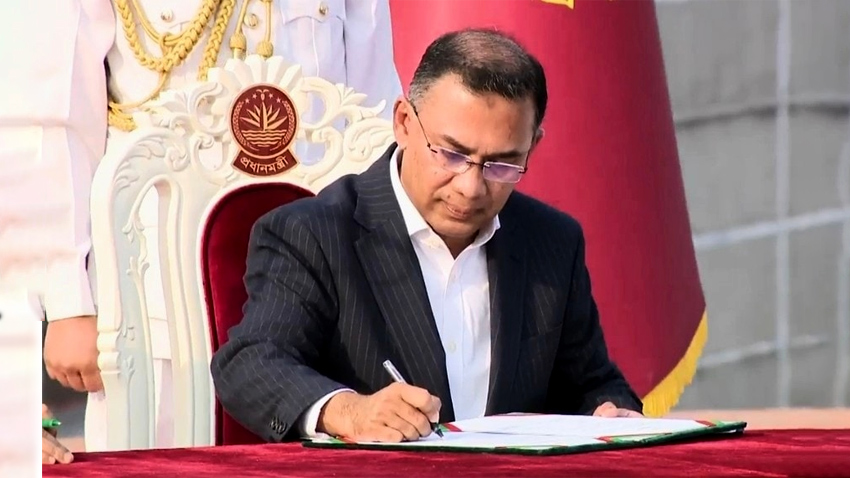
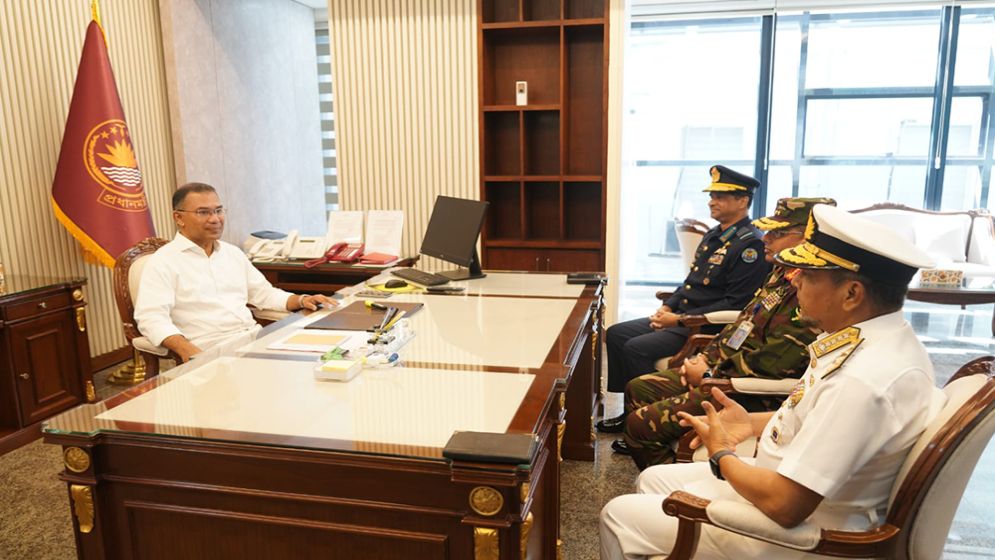
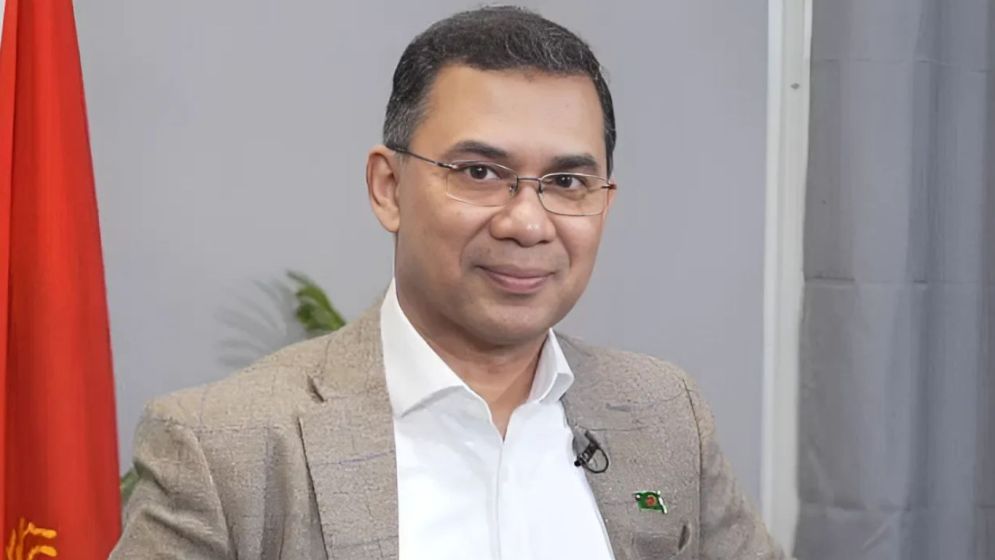
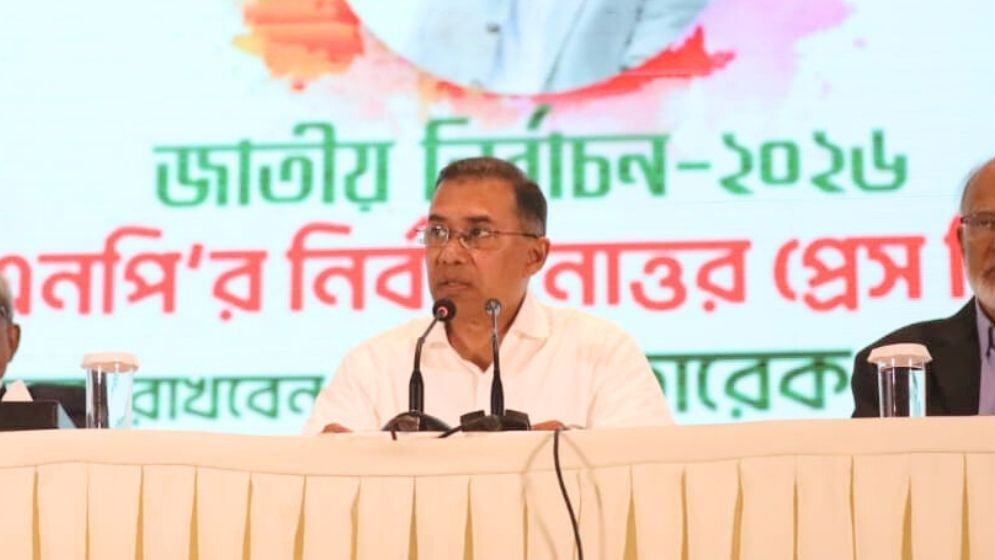
Bangladesh Nationalist Party (BNP) Chairman Tarique Rahman was sworn in on Tuesday as the country’s 11th prime minister, marking the return of an elected government after nearly a year and a half of political transition following the fall of ousted prime minister Sheikh Hasina-led Awami League (AL).

Tarique Rahman took the oath of office at a ceremony held at the South Plaza of Jatiya Sangsad Bhaban, where Mohammad Shahabuddin administered the oath.

The event formally concluded the process of forming a new government after the 13th parliamentary elections.

With the oath-taking, the country has received an elected government under Tarique’s leadership after about 18 months. The country went through a turbulent political period following the July mass uprising that led to the collapse of the Awami League government, forcing an interim administration to oversee reforms and elections.

Tarique returned to Bangladesh on December 25, 2025, after living in London for 17 years. Shortly after his return, he faced a personal tragedy with the death of his mother, Khaleda Zia, who served as prime minister three times.

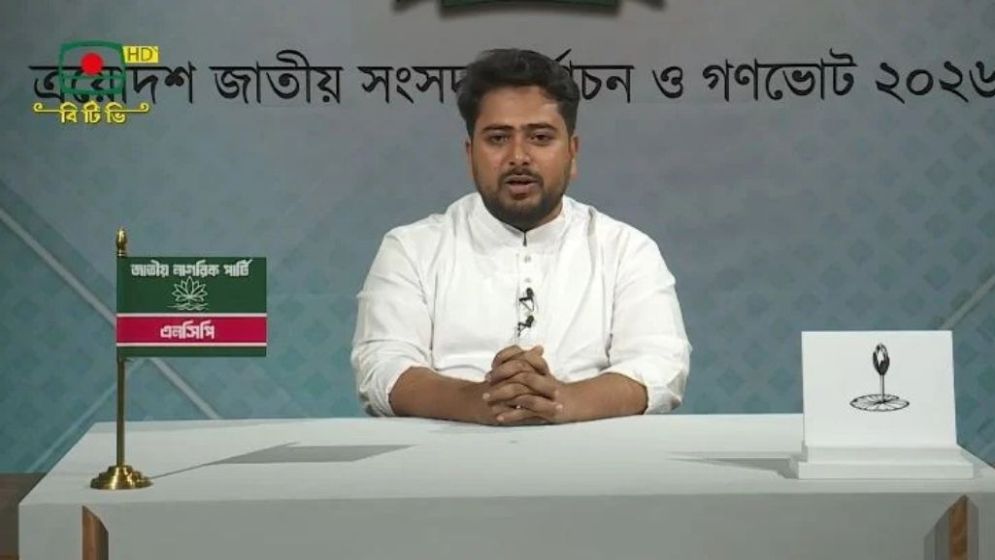
Despite being in mourning, Tarique quickly re-entered active politics as the long-anticipated national election approached.The parliamentary election, held on February 12, resulted in a decisive victory for the BNP. Out of 297 declared seats, the BNP secured 209, while Bangladesh Jamaat-e-Islami won 68 seats. The Jatiya Nagorik Party (NCP) gained six seats, and independent candidates won seven. Results in two constituencies remain pending due to court orders, while voting in one seat was postponed following the death of a candidate.

On the same day, a nationwide referendum was held under the July National Charter to approve constitutional reforms. According to the Election Commission, more than 4.8 crore voters cast ballots in favor of the reforms, while around 2.25 crore voted against, giving the ‘Yes’ side a clear majority.

However, BNP lawmakers did not take the oath as members of the Constitutional Reform Council. Under the July National Charter Constitutional Reform Implementation Order 2025, elected members of parliament are required to serve on the council if the referendum is approved.

BNP leaders argued that such a provision does not exist in the current constitution and therefore declined to take the additional oath. As a result, despite preparations by the Parliament Secretariat, BNP lawmakers were sworn in only as members of parliament. Lawmakers from Jamaat-e-Islami and the NCP later took oaths as members of the reform council, easing a brief procedural deadlock.

In the afternoon, Prime Minister Tarique and members of his cabinet were sworn in, formally completing the transition to an elected government. Cabinet Secretary Nasimul Ghani announced the names of ministers and state ministers at the ceremony, with ministers taking oath first, followed by state ministers.

The 25 ministers who took the oath are Mirza Fakhrul Islam Alamgir, Amir Khasru Mahmud Chowdhury, Salahuddin Ahmed, Iqbal Hasan Mahmud Tuku, Hafiz Uddin Ahmed Bir Bikram, Abu Zafar Md. Zahid Hossain, Abdul Awal Mintoo, Kazi Shah Mofazzal Hossain Kaikobad, Mizanur Rahman Minu, Nitai Roy Chowdhury, Khandaker Abdul Muktadir, Ariful Haque Chowdhury, Zahir Uddin Swapan, Afroza Khanam Rita, Md. Shahid Uddin Chowdhury Annie, Asadul Habib Dulu, Md. Asaduzzaman, Zakaria Taher, Dipen Dewan, A N M Ehsanul Haque Milon, Sardar Md. Sakhawat Hossain, Fakir Mahbub Anam, Sheikh Rabiul Alam, Mohammad Amin Ur Rashid and Khalilur Rahman.

Those who took oath as state ministers are M Rashiduzzaman Millat, Anindya Islam Amit, Shariful Alam, Shama Obaed, Sultan Salauddin Tuku, Barrister Kaiser Kamal, Farhad Hossain Azad, Md Aminul Haque, Mir Mohammad Helal Uddin, Habibur Rashid, Rajib Ahsan, Md. Abdul Bari, Mir Shahe Alam, Zonayed Saki, Ishraque Hossain, Farzana Sharmin, Sheikh Faridul Islam, Nurul Haque Nur, Yasir Khan Chowdhury, M Iqbal Hossain, M A Muhith, Ahammed Sohel Manzur, Bobby Hajjaj and Ali Newaz Mahmud Khaiyam.

Several hundred guests, including diplomats, foreign observers and local dignitaries, attended the swearing-in ceremony.


Tag :

Write Your Comment

Your email address will not be published. Required fields are marked *

Save Your Email and Others Information

About Author Information

Update Time : 06:46:05 pm, Tuesday, 17 February 2026

Bangladesh Nationalist Party (BNP) Chairman Tarique Rahman was sworn in on Tuesday as the country’s 11th prime minister, marking the return of an elected government after nearly a year and a half of political transition following the fall of ousted prime minister Sheikh Hasina-led Awami League (AL).

Tarique Rahman took the oath of office at a ceremony held at the South Plaza of Jatiya Sangsad Bhaban, where Mohammad Shahabuddin administered the oath.

The event formally concluded the process of forming a new government after the 13th parliamentary elections.

With the oath-taking, the country has received an elected government under Tarique’s leadership after about 18 months. The country went through a turbulent political period following the July mass uprising that led to the collapse of the Awami League government, forcing an interim administration to oversee reforms and elections.

Tarique returned to Bangladesh on December 25, 2025, after living in London for 17 years. Shortly after his return, he faced a personal tragedy with the death of his mother, Khaleda Zia, who served as prime minister three times.

Despite being in mourning, Tarique quickly re-entered active politics as the long-anticipated national election approached.The parliamentary election, held on February 12, resulted in a decisive victory for the BNP. Out of 297 declared seats, the BNP secured 209, while Bangladesh Jamaat-e-Islami won 68 seats. The Jatiya Nagorik Party (NCP) gained six seats, and independent candidates won seven. Results in two constituencies remain pending due to court orders, while voting in one seat was postponed following the death of a candidate.

On the same day, a nationwide referendum was held under the July National Charter to approve constitutional reforms. According to the Election Commission, more than 4.8 crore voters cast ballots in favor of the reforms, while around 2.25 crore voted against, giving the ‘Yes’ side a clear majority.

However, BNP lawmakers did not take the oath as members of the Constitutional Reform Council. Under the July National Charter Constitutional Reform Implementation Order 2025, elected members of parliament are required to serve on the council if the referendum is approved.

BNP leaders argued that such a provision does not exist in the current constitution and therefore declined to take the additional oath. As a result, despite preparations by the Parliament Secretariat, BNP lawmakers were sworn in only as members of parliament. Lawmakers from Jamaat-e-Islami and the NCP later took oaths as members of the reform council, easing a brief procedural deadlock.

In the afternoon, Prime Minister Tarique and members of his cabinet were sworn in, formally completing the transition to an elected government. Cabinet Secretary Nasimul Ghani announced the names of ministers and state ministers at the ceremony, with ministers taking oath first, followed by state ministers.

The 25 ministers who took the oath are Mirza Fakhrul Islam Alamgir, Amir Khasru Mahmud Chowdhury, Salahuddin Ahmed, Iqbal Hasan Mahmud Tuku, Hafiz Uddin Ahmed Bir Bikram, Abu Zafar Md. Zahid Hossain, Abdul Awal Mintoo, Kazi Shah Mofazzal Hossain Kaikobad, Mizanur Rahman Minu, Nitai Roy Chowdhury, Khandaker Abdul Muktadir, Ariful Haque Chowdhury, Zahir Uddin Swapan, Afroza Khanam Rita, Md. Shahid Uddin Chowdhury Annie, Asadul Habib Dulu, Md. Asaduzzaman, Zakaria Taher, Dipen Dewan, A N M Ehsanul Haque Milon, Sardar Md. Sakhawat Hossain, Fakir Mahbub Anam, Sheikh Rabiul Alam, Mohammad Amin Ur Rashid and Khalilur Rahman.

Those who took oath as state ministers are M Rashiduzzaman Millat, Anindya Islam Amit, Shariful Alam, Shama Obaed, Sultan Salauddin Tuku, Barrister Kaiser Kamal, Farhad Hossain Azad, Md Aminul Haque, Mir Mohammad Helal Uddin, Habibur Rashid, Rajib Ahsan, Md. Abdul Bari, Mir Shahe Alam, Zonayed Saki, Ishraque Hossain, Farzana Sharmin, Sheikh Faridul Islam, Nurul Haque Nur, Yasir Khan Chowdhury, M Iqbal Hossain, M A Muhith, Ahammed Sohel Manzur, Bobby Hajjaj and Ali Newaz Mahmud Khaiyam.

Several hundred guests, including diplomats, foreign observers and local dignitaries, attended the swearing-in ceremony.