7:36 am, Wednesday, 25 February 2026

Lighter vessel crisis chokes Ctg Port as Ramadan cargo piles up

  • Reporter Name
  • Update Time : 07:20:23 pm, Sunday, 22 February 2026
  • 13 Time View

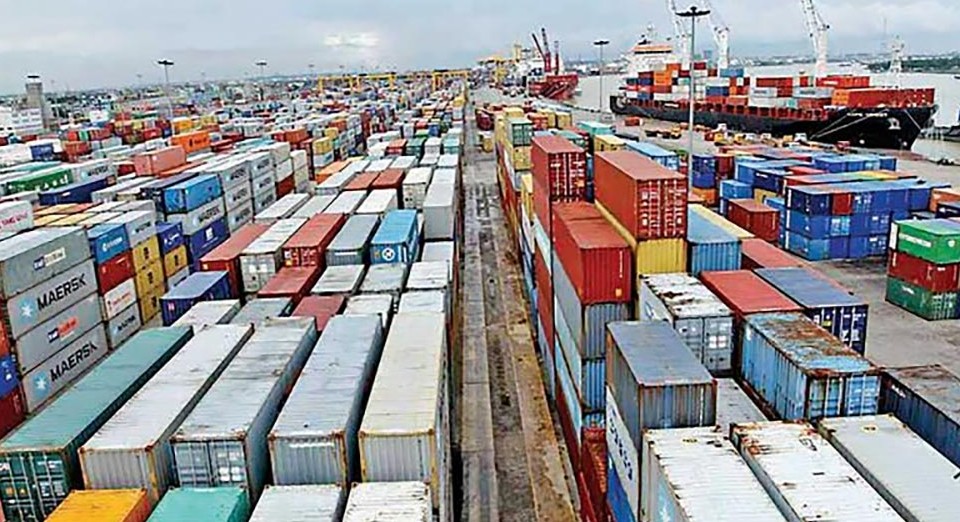
Acute shortages of lighterage vessels have triggered severe congestion at Chattogram Port, leaving more than 1.2 million tonnes of essential commodities stranded at the outer anchorage and prompting the Chattogram Port Authority (CPA) to launch an emergency action plan ahead of Ramadan.

Over 500 lighter vessels remain tied up by major importers without unloading, sharply curtailing availability for incoming mother vessels. As a result, sources said, dozens of ships laden with sugar, edible oil, pulses, gram, dates and other Ramadan staples are floating in the Bay of Bengal, unable to discharge cargo.

According to Chattogram Customs House data, imports of Ramadan commodities have risen this fiscal year. During FY2024-25, around 2.8 million tonnes of key consumer goods were imported, compared with 3.1 million tonnes in FY2025-26.

However, much of the current season’s cargo remains stuck offshore due to the lighter vessel crunch.
Following two high-level meetings chaired by CPA Chairman Rear Admiral SM Moniruzzaman on Thursday, the port has shifted to full-scale 24/7 operations in three shifts. Customs authorities have agreed to maintain round-the-clock assessment to match the port’s extended schedule.

The CPA said priority will be given to unloading and delivering essential Ramadan goods to prevent market shortages and price volatility. A special “crash programme” has also been launched to move nearly 2,000 Dhaka-bound containers to inland depots in coordination with Bangladesh Railway.

Officials acknowledged further bottlenecks, including malfunctioning scanners within the port area. Of the total installed units, 45 are reportedly out of order, leading to long vehicle queues and hampering cargo clearance. Customs authorities have been urged to expedite repairs.

Under normal circumstances, a 50,000-tonne mother vessel can complete unloading within seven to 10 days through lighterage operations. Currently, waiting times have stretched to 20-30 days, with some ships idling for days without discharge.

Port insiders said around 1,020 registered lighter vessels operate under the supervision of the Water Transport Coordination Cell (WTCC), which allocates vessels for cargo discharge. However, the WTCC can presently meet only about half of total demand.

Officials attributed the shortfall to diversion of vessels to Mongla and Payra ports, as well as to Indian routes.

Shipping ministry task forces, led by executive magistrates, have begun daily drives in Dhaka, Narayanganj, Munshiganj and Khulna to curb alleged irregularities. Authorities warned that importers using lighter vessels as “floating warehouses” to delay unloading and manipulate prices ahead of Ramadan would face criminal action.

With importers allowed a 12-day grace period before demurrage of Tk7 per tonne per day applies, prolonged delays risk adding to overall costs – a burden ultimately borne by consumers.

The CPA expressed optimism that coordinated efforts among port users, customs, railway authorities and shipping stakeholders would restore momentum to cargo handling and safeguard the country’s supply chain during the holy month.


Tag :

Write Your Comment

Your email address will not be published. Required fields are marked *

Save Your Email and Others Information

About Author Information

Lighter vessel crisis chokes Ctg Port as Ramadan cargo piles up

Update Time : 07:20:23 pm, Sunday, 22 February 2026

Acute shortages of lighterage vessels have triggered severe congestion at Chattogram Port, leaving more than 1.2 million tonnes of essential commodities stranded at the outer anchorage and prompting the Chattogram Port Authority (CPA) to launch an emergency action plan ahead of Ramadan.

Over 500 lighter vessels remain tied up by major importers without unloading, sharply curtailing availability for incoming mother vessels. As a result, sources said, dozens of ships laden with sugar, edible oil, pulses, gram, dates and other Ramadan staples are floating in the Bay of Bengal, unable to discharge cargo.

According to Chattogram Customs House data, imports of Ramadan commodities have risen this fiscal year. During FY2024-25, around 2.8 million tonnes of key consumer goods were imported, compared with 3.1 million tonnes in FY2025-26.

However, much of the current season’s cargo remains stuck offshore due to the lighter vessel crunch.
Following two high-level meetings chaired by CPA Chairman Rear Admiral SM Moniruzzaman on Thursday, the port has shifted to full-scale 24/7 operations in three shifts. Customs authorities have agreed to maintain round-the-clock assessment to match the port’s extended schedule.

The CPA said priority will be given to unloading and delivering essential Ramadan goods to prevent market shortages and price volatility. A special “crash programme” has also been launched to move nearly 2,000 Dhaka-bound containers to inland depots in coordination with Bangladesh Railway.

Officials acknowledged further bottlenecks, including malfunctioning scanners within the port area. Of the total installed units, 45 are reportedly out of order, leading to long vehicle queues and hampering cargo clearance. Customs authorities have been urged to expedite repairs.

Under normal circumstances, a 50,000-tonne mother vessel can complete unloading within seven to 10 days through lighterage operations. Currently, waiting times have stretched to 20-30 days, with some ships idling for days without discharge.

Port insiders said around 1,020 registered lighter vessels operate under the supervision of the Water Transport Coordination Cell (WTCC), which allocates vessels for cargo discharge. However, the WTCC can presently meet only about half of total demand.

Officials attributed the shortfall to diversion of vessels to Mongla and Payra ports, as well as to Indian routes.

Shipping ministry task forces, led by executive magistrates, have begun daily drives in Dhaka, Narayanganj, Munshiganj and Khulna to curb alleged irregularities. Authorities warned that importers using lighter vessels as “floating warehouses” to delay unloading and manipulate prices ahead of Ramadan would face criminal action.

With importers allowed a 12-day grace period before demurrage of Tk7 per tonne per day applies, prolonged delays risk adding to overall costs – a burden ultimately borne by consumers.

The CPA expressed optimism that coordinated efforts among port users, customs, railway authorities and shipping stakeholders would restore momentum to cargo handling and safeguard the country’s supply chain during the holy month.