2:08 am, Saturday, 28 February 2026

Trump pressure deepens Cuba’s worst crisis, threatens revolution’s survival

  • Reporter Name
  • Update Time : 05:57:29 pm, Friday, 27 February 2026
  • 7 Time View

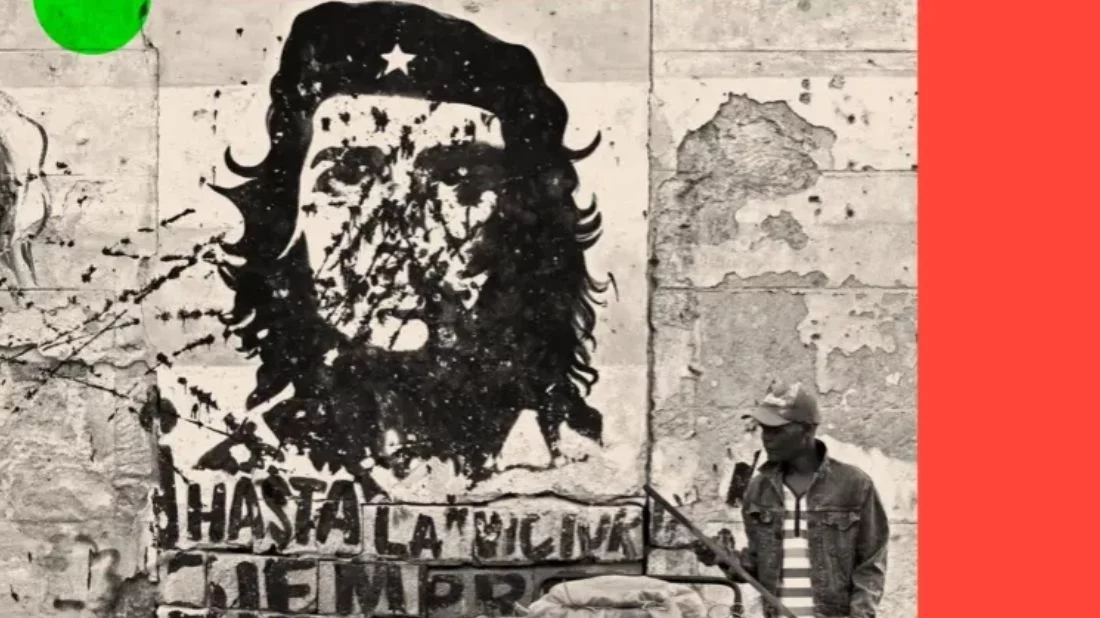
Intensified pressure from the United States under President Donald Trump is pushing Cuba into its deepest crisis in decades, raising questions about whether the Cuban Revolution is facing its most serious threat since it took power in 1959.

Inside Havana’s Museum of the Revolution, images documenting poverty and inequality under the pre-revolution dictatorship of Fulgencio Batista are meant to underline how revolutionaries led by Fidel Castro transformed the country. But for many Cubans today, daily life increasingly resembles those stark scenes from the past, reports UNB citing BBC.

In a Havana suburb, housewife Lisandra Botey says her family now cooks with firewood due to prolonged electricity cuts and the absence of cooking gas. Her husband, construction worker Brenei Hernández, says work is scarce and food shortages are constant, with the family often surviving on little more than rice.

Cuba’s economy, already battered since the Covid-19 pandemic, has plunged further following the loss of oil supplies from Venezuela after Washington removed President Nicolás Maduro from power in January. The Trump administration has since tightened the decades-old US embargo, threatening tariffs on any country supplying oil to Cuba.

Although Cuba’s traditional partners, including Mexico, Russia and China, have expressed concern, none have yet filled the gap left by Venezuela’s oil exports. The US Treasury has said it may allow limited oil sales for humanitarian and commercial purposes, but shortages remain severe.

The fuel crisis has triggered long daily blackouts, disrupted hospital services, closed schools and halted waste collection across the island. Petrol is rationed, paid for in US dollars, and accessed through a government app that can leave drivers waiting weeks. Black-market fuel prices have surged.

Despite the hardship, some Cubans direct their anger not at Washington but at their own government. Hernández openly voiced support for outside intervention, reflecting a growing frustration that has weakened fear of speaking out.

Cuban economist Ricardo Torres says the Trump administration’s “maximum pressure” strategy is aimed at regime change, exploiting internal crisis to weaken the socialist system from within. He warns, however, that the outcome is uncertain and risks severe humanitarian consequences.

Cuban President Miguel Díaz-Canel has condemned US policy as inhumane and illegal, accusing Washington of deliberately denying a smaller nation the means to function.

The current approach marks a sharp contrast with the diplomatic thaw initiated in 2014 by former US President Barack Obama, when relations were briefly restored and optimism spread among ordinary Cubans. That opening has since been dismantled.

Former US ambassador to Cuba Jeffrey DeLaurentis says the revolution’s survival may depend on whether other countries step in with tangible support. While Russia and China have held talks with Havana, no major fuel deliveries have yet arrived.

US policy on Cuba is now being led largely by Secretary of State Marco Rubio, a Cuban-American long associated with a hard line against Havana. Analysts say real negotiating power on the Cuban side still rests with Raúl Castro, despite his advanced age.

As shortages worsen and public frustration grows, humanitarian conditions continue to deteriorate, prompting emergency aid shipments from Mexico. With fuel scarce, tourism down and daily life increasingly constrained, uncertainty hangs over whether Cuba’s crisis will lead to reform, negotiation, or a deeper unravelling of the revolution itself.


Tag :

Write Your Comment

Your email address will not be published. Required fields are marked *

Save Your Email and Others Information

About Author Information

Trump pressure deepens Cuba’s worst crisis, threatens revolution’s survival

Update Time : 05:57:29 pm, Friday, 27 February 2026

Intensified pressure from the United States under President Donald Trump is pushing Cuba into its deepest crisis in decades, raising questions about whether the Cuban Revolution is facing its most serious threat since it took power in 1959.

Inside Havana’s Museum of the Revolution, images documenting poverty and inequality under the pre-revolution dictatorship of Fulgencio Batista are meant to underline how revolutionaries led by Fidel Castro transformed the country. But for many Cubans today, daily life increasingly resembles those stark scenes from the past, reports UNB citing BBC.

In a Havana suburb, housewife Lisandra Botey says her family now cooks with firewood due to prolonged electricity cuts and the absence of cooking gas. Her husband, construction worker Brenei Hernández, says work is scarce and food shortages are constant, with the family often surviving on little more than rice.

Cuba’s economy, already battered since the Covid-19 pandemic, has plunged further following the loss of oil supplies from Venezuela after Washington removed President Nicolás Maduro from power in January. The Trump administration has since tightened the decades-old US embargo, threatening tariffs on any country supplying oil to Cuba.

Although Cuba’s traditional partners, including Mexico, Russia and China, have expressed concern, none have yet filled the gap left by Venezuela’s oil exports. The US Treasury has said it may allow limited oil sales for humanitarian and commercial purposes, but shortages remain severe.

The fuel crisis has triggered long daily blackouts, disrupted hospital services, closed schools and halted waste collection across the island. Petrol is rationed, paid for in US dollars, and accessed through a government app that can leave drivers waiting weeks. Black-market fuel prices have surged.

Despite the hardship, some Cubans direct their anger not at Washington but at their own government. Hernández openly voiced support for outside intervention, reflecting a growing frustration that has weakened fear of speaking out.

Cuban economist Ricardo Torres says the Trump administration’s “maximum pressure” strategy is aimed at regime change, exploiting internal crisis to weaken the socialist system from within. He warns, however, that the outcome is uncertain and risks severe humanitarian consequences.

Cuban President Miguel Díaz-Canel has condemned US policy as inhumane and illegal, accusing Washington of deliberately denying a smaller nation the means to function.

The current approach marks a sharp contrast with the diplomatic thaw initiated in 2014 by former US President Barack Obama, when relations were briefly restored and optimism spread among ordinary Cubans. That opening has since been dismantled.

Former US ambassador to Cuba Jeffrey DeLaurentis says the revolution’s survival may depend on whether other countries step in with tangible support. While Russia and China have held talks with Havana, no major fuel deliveries have yet arrived.

US policy on Cuba is now being led largely by Secretary of State Marco Rubio, a Cuban-American long associated with a hard line against Havana. Analysts say real negotiating power on the Cuban side still rests with Raúl Castro, despite his advanced age.

As shortages worsen and public frustration grows, humanitarian conditions continue to deteriorate, prompting emergency aid shipments from Mexico. With fuel scarce, tourism down and daily life increasingly constrained, uncertainty hangs over whether Cuba’s crisis will lead to reform, negotiation, or a deeper unravelling of the revolution itself.