3:23 pm, Wednesday, 24 December 2025

Branding one as good, everyone else as bad is dangerous for democracy: Tarique Rahman

  • Reporter Name
  • Update Time : 11:14:53 pm, Monday, 8 December 2025
  • 26 Time View

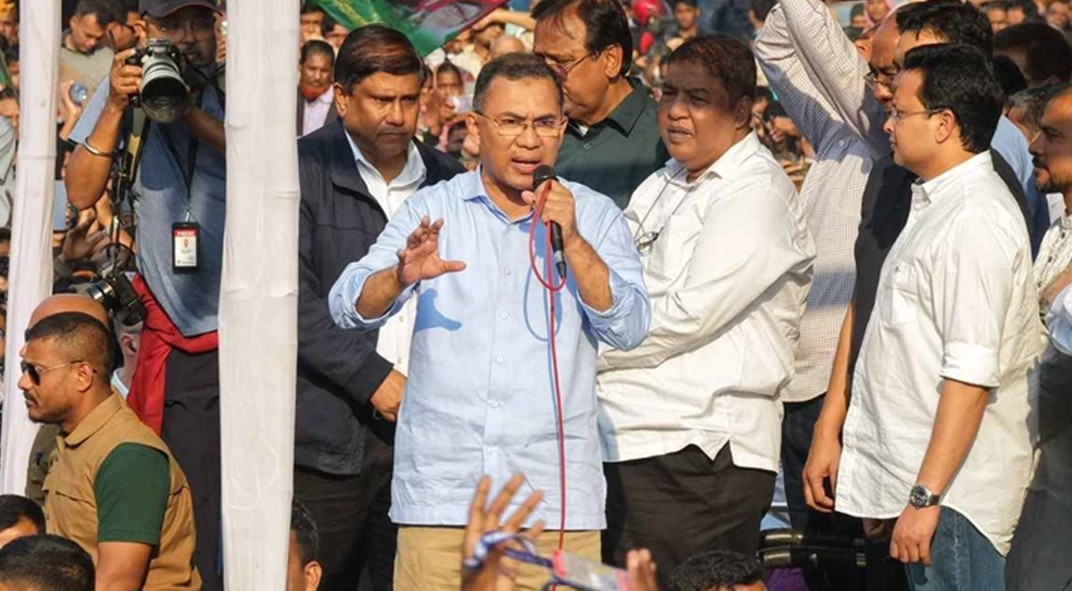
BNP’s Acting Chairman Tarique Rahman on Monday warned that the political narrative portraying one individual as “good” and all others as “bad” poses a serious threat to democracy.

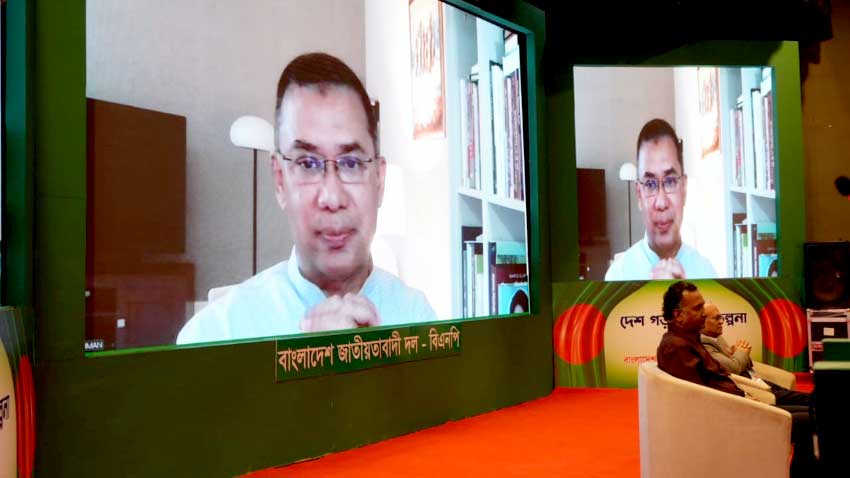
He made the remarks on Monday (December 8) while addressing the BNP’s “Country-Building Plan” programme virtually from London, organised at the Krishibid Institute in Dhaka.

Tarique said a certain political group has been promoting such a narrative for the past 16 years, and despite major changes since August 5, that mindset has not shifted. “This must change. It is extremely urgent,” he stressed.

Tarique argued that democracy thrives on plurality of opinions, accountability and the right to dissent.

“In a multi-party democratic system, people have the right to express different opinions. But the idea that one person is good and everyone else is bad is not acceptable in any way. This mindset is dangerous for democracy,” he said.

Only a democratically elected government can be held accountable to the people, he added.

Referring to the July uprising, Tarique Rahman said the movement was not orchestrated by any political elite but by ordinary citizens.

“The masterminds of August 5 movement were the country’s people — housewives, small shopkeepers, rickshaw-pullers, transport workers, students from schools, colleges, universities and madrassas. Even children joined the movement; 63 of them lost their lives,” he noted.

Tarique urged the youth to unite for Bangladesh’s future. “The immediate future of Bangladesh depends on you. If you come forward and stand united, the country has hope,” he said, adding that “Now is not the time to sit idle.”

Amid internal debates over nominations, Tarique issued a stern warning to BNP leaders and activists:“An extremely challenging political battle lies ahead. If the party is not united, a disastrous situation may emerge.”

He admitted that not everyone would receive their preferred candidate and that personal relations should not overshadow organisational decisions. “Your responsibility is to work for the sheaf of paddy, for the party, and for the nation’s development plan — not for any individual,” he reminded.

Tarique stressed that the BNP must involve the public in its newly announced development plan.
“Just as people were convinced during the movement, they must now be involved in the plan to rebuild the country. Without public participation, nothing can be implemented.”

He directed party activists to expand public engagement within the next two months.

During his speech, Tarique cited several initiatives taken by late President Ziaur Rahman highlighting canal excavation for flood control and irrigation, which enabled double and triple cropping in areas previously limited to one harvest.

He also said Bangladesh achieved food self-sufficiency under Zia’s rule and even began exporting limited quantities of food.

Tag :

Write Your Comment

Your email address will not be published. Required fields are marked *

Save Your Email and Others Information

About Author Information

Branding one as good, everyone else as bad is dangerous for democracy: Tarique Rahman

Update Time : 11:14:53 pm, Monday, 8 December 2025

BNP’s Acting Chairman Tarique Rahman on Monday warned that the political narrative portraying one individual as “good” and all others as “bad” poses a serious threat to democracy.

He made the remarks on Monday (December 8) while addressing the BNP’s “Country-Building Plan” programme virtually from London, organised at the Krishibid Institute in Dhaka.

Tarique said a certain political group has been promoting such a narrative for the past 16 years, and despite major changes since August 5, that mindset has not shifted. “This must change. It is extremely urgent,” he stressed.

Tarique argued that democracy thrives on plurality of opinions, accountability and the right to dissent.

“In a multi-party democratic system, people have the right to express different opinions. But the idea that one person is good and everyone else is bad is not acceptable in any way. This mindset is dangerous for democracy,” he said.

Only a democratically elected government can be held accountable to the people, he added.

Referring to the July uprising, Tarique Rahman said the movement was not orchestrated by any political elite but by ordinary citizens.

“The masterminds of August 5 movement were the country’s people — housewives, small shopkeepers, rickshaw-pullers, transport workers, students from schools, colleges, universities and madrassas. Even children joined the movement; 63 of them lost their lives,” he noted.

Tarique urged the youth to unite for Bangladesh’s future. “The immediate future of Bangladesh depends on you. If you come forward and stand united, the country has hope,” he said, adding that “Now is not the time to sit idle.”

Amid internal debates over nominations, Tarique issued a stern warning to BNP leaders and activists:“An extremely challenging political battle lies ahead. If the party is not united, a disastrous situation may emerge.”

He admitted that not everyone would receive their preferred candidate and that personal relations should not overshadow organisational decisions. “Your responsibility is to work for the sheaf of paddy, for the party, and for the nation’s development plan — not for any individual,” he reminded.

Tarique stressed that the BNP must involve the public in its newly announced development plan.
“Just as people were convinced during the movement, they must now be involved in the plan to rebuild the country. Without public participation, nothing can be implemented.”

He directed party activists to expand public engagement within the next two months.

During his speech, Tarique cited several initiatives taken by late President Ziaur Rahman highlighting canal excavation for flood control and irrigation, which enabled double and triple cropping in areas previously limited to one harvest.

He also said Bangladesh achieved food self-sufficiency under Zia’s rule and even began exporting limited quantities of food.