
 Reporter Name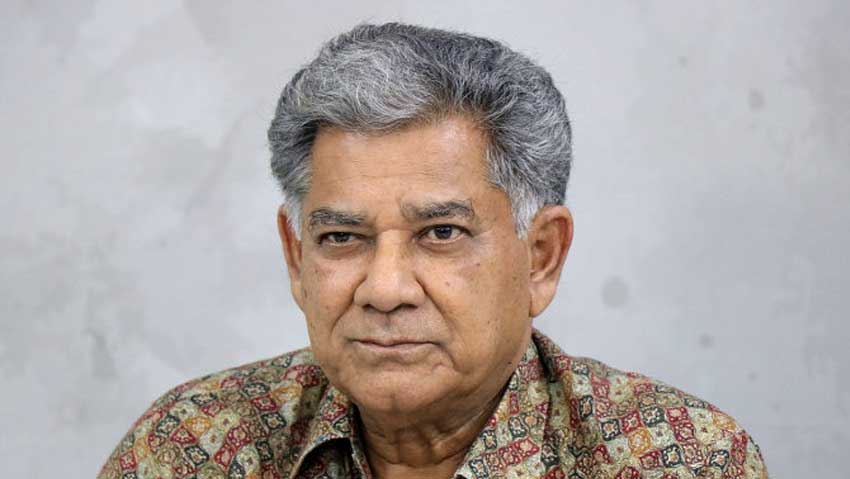
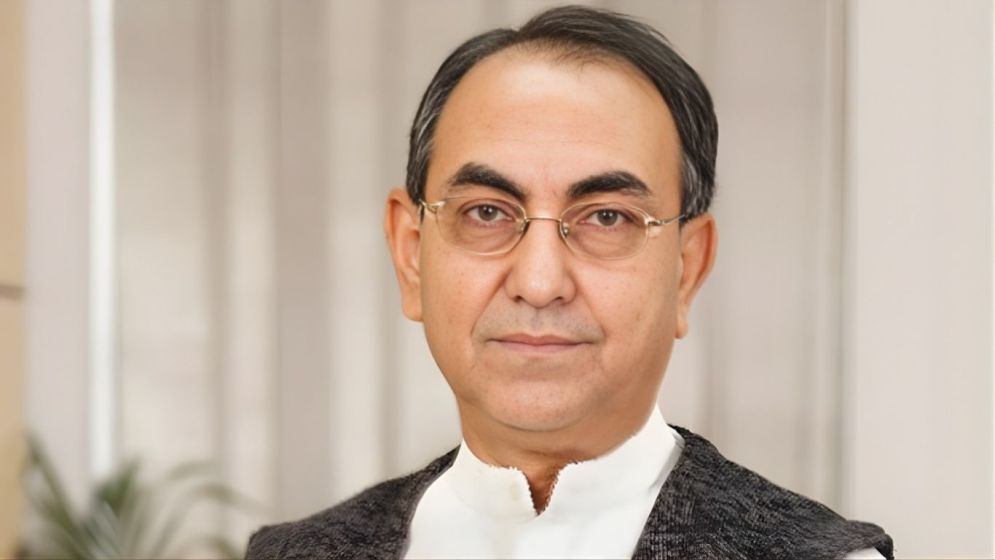
Labour and Employment Adviser Brigadier General (retd) M Sakhawat Hussain on Sunday said the labour law enacted during the tenure of the interim government is the strongest and most worker-friendly legislation Bangladesh has ever had.
“Considering the entire history of labour laws in the country, it was not possible to introduce a better law than the one enacted under the interim government,” Sakhawat said while speaking at a programme organised by Citizen’s Platform in Agargaon.
He said the Bangladesh Labour Act was significantly amended based on recommendations made by Labour Reform Commission, adding that the changes represent a meaningful step toward protecting workers’ rights.
“While there may be dissatisfaction regarding the outcomes of other reform commissions, we have implemented major reforms to the Labour Act in line with labour reform commission’s recommendations. This law can genuinely be described as worker-friendly,” he said.
Sakhawat noted that conflicts of interest had long hindered the formulation of a strong labour law in the country.
Although further improvements were possible, he said the newly enacted law represents the best outcome achievable within the limited time available.
Addressing criticism from business leaders, the adviser acknowledged allegations that he had prioritised workers’ interests.
“That allegation is true. This labour law has been drafted with workers’ rights as the primary consideration. The Chief Adviser gave me full freedom in preparing the law,” he said.
Sakhawat also said the International Labour Organization (ILO) had praised the legislation, describing it as an “eye-opening law.”
According to him, ILO remarked that it had not expected such a robust labour law from Bangladesh.
Expressing concern over the state of public administration, Sakhawat said nearly all ministries are experiencing severe institutional weakness and have yet to fully recover.
“During my work across different ministries over the past few months, I have found them in a collapsed administrative condition. There is widespread misappropriation of public funds. As a member of the cabinet, there are many things I wish to say but cannot,” he said.
The adviser expressed hope that the reforms initiated under the interim government would be carried forward and completed by an elected government.
“When the interim government took office, the country was in a shattered condition. It was not possible to fix everything under those circumstances and that limitation must be acknowledged,” he added.