4:38 am, Thursday, 4 December 2025

BNP backs police reform, PM term limit; proposes 5pc women for direct polls

  • Reporter Name
  • Update Time : 12:22:04 pm, Monday, 28 July 2025
  • 76 Time View

The Bangladesh Nationalist Party (BNP) has proposed that all political parties commit to nominating at least 5 percent female candidates in the forthcoming 13th parliamentary elections.

The proposal, made by senior BNP leader Salahuddin Ahmed on Sunday, calls for a “gentleman’s agreement” to ensure this representation despite the absence of immediate constitutional amendments.

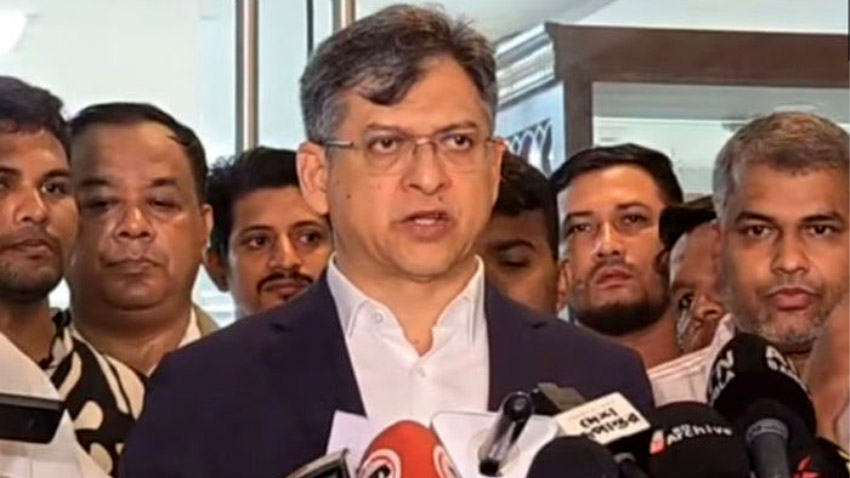
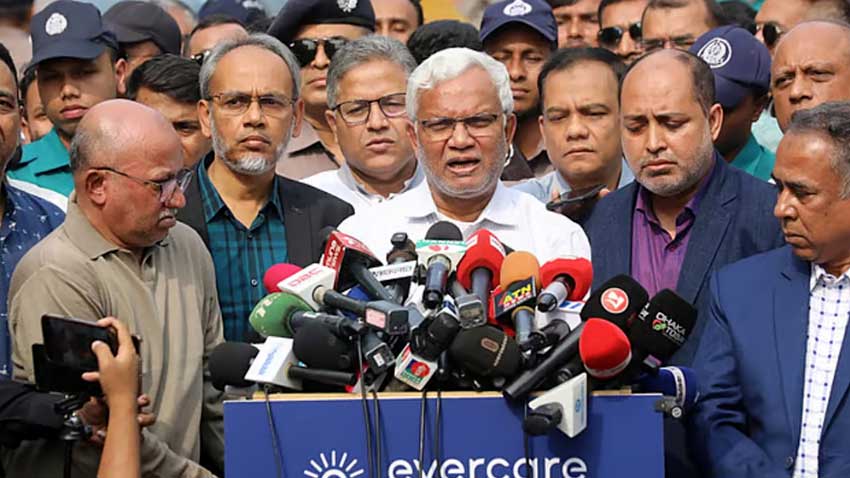
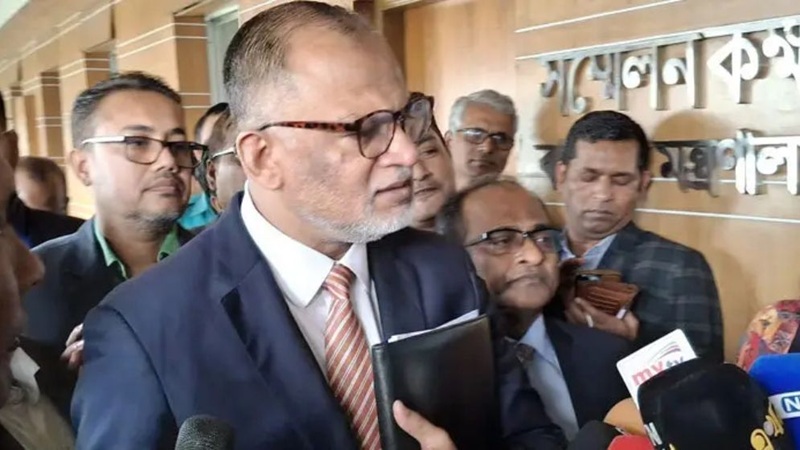
Speaking to the press during a break in the 19th session of ongoing talks between political parties and the National Consensus Commission (NCC), Ahmed emphasized that the move is intended as a step toward broader electoral reforms.

“We want political parties to voluntarily nominate women in no fewer than 15 out of the 300 general seats,” he said. While acknowledging that constitutional amendments cannot be made ahead of the polls, he outlined BNP’s long-term vision to constitutionally mandate 10 percent of general seats for women—equivalent to 30 directly elected female MPs—on top of the existing 50 reserved seats.

“This phased plan is aimed at eventually eliminating the reserved seat system and ensuring that all female lawmakers are elected directly by the people,” Ahmed added.

The BNP representative also highlighted progress in discussions around police accountability. According to Ahmed, all parties have agreed in principle to establish an independent Bangladesh Police Commission. The proposed body would oversee misconduct investigations and ensure transparency and professional conduct within the police force.

“The framework, authority, and procedures of the commission will be defined by legislation. The NCC has recommended that its policy suggestions be incorporated into the drafting of this law,” he noted. Ahmed stressed that the commission should provide avenues for citizens to independently submit complaints, and if necessary, enable judicial probes.

On the matter of constitutional principles, Salahuddin reiterated BNP’s rejection of the 15th Amendment’s ideological framework, which is currently codified in Article 8 of the Constitution. Instead, he advocated for a return to the core values introduced under the 5th Amendment—“faith in Almighty Allah, democracy, and nationalism.”

However, the BNP is open to additional principles being enshrined in the Constitution. Proposals such as “equality, human dignity, social justice, democracy, and religious harmony” are acceptable, Salahuddin said, provided they are reviewed and passed through parliamentary procedure.

In a notable policy shift, the BNP also gained support from the Commission for its proposal to impose a maximum tenure limit for the office of the Prime Minister. “We had earlier suggested that no individual should serve as Prime Minister for more than 10 years in total, regardless of how many terms they are elected. The Commission has now endorsed this idea,” Salahuddin revealed. He argued that the measure would serve as a safeguard against authoritarianism and personalized rule.

The BNP leader expressed optimism that the multi-party dialogue, facilitated by the NCC, could conclude ahead of the July 31 target if talks continue to move forward constructively.

Tag :

Write Your Comment

Your email address will not be published. Required fields are marked *

Save Your Email and Others Information

About Author Information

BNP backs police reform, PM term limit; proposes 5pc women for direct polls

Update Time : 12:22:04 pm, Monday, 28 July 2025

The Bangladesh Nationalist Party (BNP) has proposed that all political parties commit to nominating at least 5 percent female candidates in the forthcoming 13th parliamentary elections.

The proposal, made by senior BNP leader Salahuddin Ahmed on Sunday, calls for a “gentleman’s agreement” to ensure this representation despite the absence of immediate constitutional amendments.

Speaking to the press during a break in the 19th session of ongoing talks between political parties and the National Consensus Commission (NCC), Ahmed emphasized that the move is intended as a step toward broader electoral reforms.

“We want political parties to voluntarily nominate women in no fewer than 15 out of the 300 general seats,” he said. While acknowledging that constitutional amendments cannot be made ahead of the polls, he outlined BNP’s long-term vision to constitutionally mandate 10 percent of general seats for women—equivalent to 30 directly elected female MPs—on top of the existing 50 reserved seats.

“This phased plan is aimed at eventually eliminating the reserved seat system and ensuring that all female lawmakers are elected directly by the people,” Ahmed added.

The BNP representative also highlighted progress in discussions around police accountability. According to Ahmed, all parties have agreed in principle to establish an independent Bangladesh Police Commission. The proposed body would oversee misconduct investigations and ensure transparency and professional conduct within the police force.

“The framework, authority, and procedures of the commission will be defined by legislation. The NCC has recommended that its policy suggestions be incorporated into the drafting of this law,” he noted. Ahmed stressed that the commission should provide avenues for citizens to independently submit complaints, and if necessary, enable judicial probes.

On the matter of constitutional principles, Salahuddin reiterated BNP’s rejection of the 15th Amendment’s ideological framework, which is currently codified in Article 8 of the Constitution. Instead, he advocated for a return to the core values introduced under the 5th Amendment—“faith in Almighty Allah, democracy, and nationalism.”

However, the BNP is open to additional principles being enshrined in the Constitution. Proposals such as “equality, human dignity, social justice, democracy, and religious harmony” are acceptable, Salahuddin said, provided they are reviewed and passed through parliamentary procedure.

In a notable policy shift, the BNP also gained support from the Commission for its proposal to impose a maximum tenure limit for the office of the Prime Minister. “We had earlier suggested that no individual should serve as Prime Minister for more than 10 years in total, regardless of how many terms they are elected. The Commission has now endorsed this idea,” Salahuddin revealed. He argued that the measure would serve as a safeguard against authoritarianism and personalized rule.

The BNP leader expressed optimism that the multi-party dialogue, facilitated by the NCC, could conclude ahead of the July 31 target if talks continue to move forward constructively.