9:36 pm, Wednesday, 3 December 2025

Banai indigenous group’s heritage fading fast, extinction looms

  • Reporter Name
  • Update Time : 06:58:47 pm, Friday, 15 August 2025
  • 78 Time View

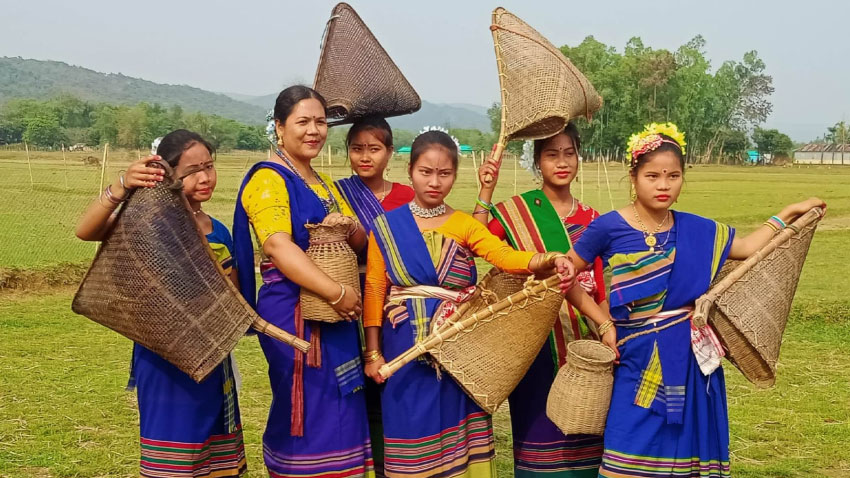
Globally, the Banai population numbers only around 15,000. In Bangladesh, their numbers have dwindled to just 327, according to recent data. Of these, 281 live in 63 families in Mohanpur and Boheratoli villages of Madhyanagar upazila in Sunamganj. The rest are scattered across Baluchhara in Netrokona and Ganai village in Mymensingh’s Dhobaura upazila.

Historically, thousands of Banai lived in the region. But the 1947 Partition, Tebhaga movement, abolition of Zamindari system in 1950, the end of “Tonk” tenancy system, and communal riots forced many—like other indigenous groups—to migrate to India. Those who remain are few but have preserved their language, traditions, and culture over generations.

“We speak Banai language at home, but it survives only orally now,” said Ripon Banai, member secretary of the Bangladesh Plains Indigenous Peoples Rights Movement. Counting to ten in Banai still follows the old terms—ekong (1), bekong (2), tulshi (3), lekong (4), lai (5), lata (6), bhogri (7), guta (8), bhera (9), and theng thaka (10).

“Our language is on the verge of extinction because fewer people speak it now. Most have moved to Assam and Meghalaya,” he lamented.

Linguist Dr. Selu Basit warned, “When a language disappears, so do its stories, myths, and cultural heritage. It’s tied to the very identity of a people. Efforts to preserve the Banai language must begin immediately.”

In Mohanpur, a Banai-majority village in Madhyanagar, residents said they follow Hinduism and celebrate Durga Puja, Lakshmi Puja, and Saraswati Puja, along with their own indigenous rituals—Bastu Puja and Kamakhya Devi Puja. Though patriarchal, the community still practices a matrilineal clan system called Nikni in marriage. Women once wore the traditional pathin woven wrap, now almost forgotten.

Economically, most Banai are now landless. Once landowners, they lost property due to migration and illegal occupation by local settlers.

Ludur Singh Banai, a 65-year-old village elder, now works as a day laborer on others’ land. Elderly Kanan Bala Banai, 74, alleged, “Influential people buy one bigha of land but forge documents for ten. There’s no hope of getting our land back.”

According to Dhruba Raj Banai, central member of the Bangladesh Indigenous Students Struggle Council, literacy rates in the community are extremely low—only two members are in government service, four are studying at the bachelor’s level, and 15–20 students are in primary or secondary school. With little government support and financial hardship, many young people migrate to cities for work.

The Banai, Bangladesh’s smallest indigenous group, are now fighting for survival. Researchers warn that without immediate preservation efforts, the community could vanish in the near future—taking with it an irreplaceable part of the country’s cultural diversity.


Tag :

Write Your Comment

Your email address will not be published. Required fields are marked *

Save Your Email and Others Information

About Author Information

Banai indigenous group’s heritage fading fast, extinction looms

Update Time : 06:58:47 pm, Friday, 15 August 2025

Globally, the Banai population numbers only around 15,000. In Bangladesh, their numbers have dwindled to just 327, according to recent data. Of these, 281 live in 63 families in Mohanpur and Boheratoli villages of Madhyanagar upazila in Sunamganj. The rest are scattered across Baluchhara in Netrokona and Ganai village in Mymensingh’s Dhobaura upazila.

Historically, thousands of Banai lived in the region. But the 1947 Partition, Tebhaga movement, abolition of Zamindari system in 1950, the end of “Tonk” tenancy system, and communal riots forced many—like other indigenous groups—to migrate to India. Those who remain are few but have preserved their language, traditions, and culture over generations.

“We speak Banai language at home, but it survives only orally now,” said Ripon Banai, member secretary of the Bangladesh Plains Indigenous Peoples Rights Movement. Counting to ten in Banai still follows the old terms—ekong (1), bekong (2), tulshi (3), lekong (4), lai (5), lata (6), bhogri (7), guta (8), bhera (9), and theng thaka (10).

“Our language is on the verge of extinction because fewer people speak it now. Most have moved to Assam and Meghalaya,” he lamented.

Linguist Dr. Selu Basit warned, “When a language disappears, so do its stories, myths, and cultural heritage. It’s tied to the very identity of a people. Efforts to preserve the Banai language must begin immediately.”

In Mohanpur, a Banai-majority village in Madhyanagar, residents said they follow Hinduism and celebrate Durga Puja, Lakshmi Puja, and Saraswati Puja, along with their own indigenous rituals—Bastu Puja and Kamakhya Devi Puja. Though patriarchal, the community still practices a matrilineal clan system called Nikni in marriage. Women once wore the traditional pathin woven wrap, now almost forgotten.

Economically, most Banai are now landless. Once landowners, they lost property due to migration and illegal occupation by local settlers.

Ludur Singh Banai, a 65-year-old village elder, now works as a day laborer on others’ land. Elderly Kanan Bala Banai, 74, alleged, “Influential people buy one bigha of land but forge documents for ten. There’s no hope of getting our land back.”

According to Dhruba Raj Banai, central member of the Bangladesh Indigenous Students Struggle Council, literacy rates in the community are extremely low—only two members are in government service, four are studying at the bachelor’s level, and 15–20 students are in primary or secondary school. With little government support and financial hardship, many young people migrate to cities for work.

The Banai, Bangladesh’s smallest indigenous group, are now fighting for survival. Researchers warn that without immediate preservation efforts, the community could vanish in the near future—taking with it an irreplaceable part of the country’s cultural diversity.