11:28 am, Friday, 20 February 2026

Interim govt aims to reshape politics, end inequality: Mahfuj

  • Reporter Name
  • Update Time : 11:59:48 pm, Wednesday, 27 August 2025
  • 47 Time View

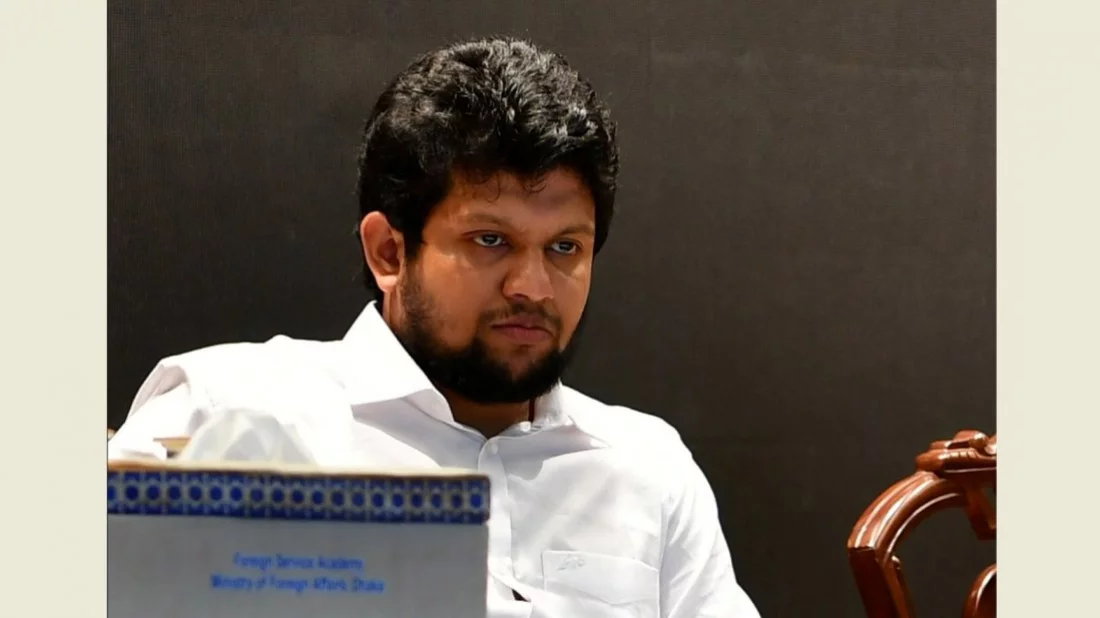
The goal of interim government, formed following the July Mass Uprising, is to end longstanding inequality and lay the foundation for a new, inclusive political structure that strengthens democracy, said Information and Broadcasting Adviser Md Mahfuj Alam.

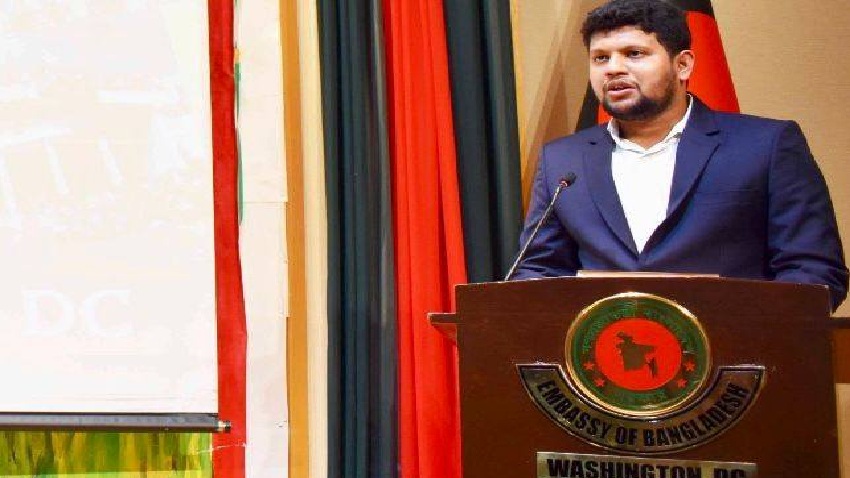
Speaking at a commemorative event in Washington DC on Tuesday, marking the first anniversary of the July Uprising, Mahfuj emphasized the importance of unity across political ideologies to build a prosperous and developed Bangladesh.

The event was held at Bangladesh Embassy in US capital and drew attendees from US Senate and Congress, State Department officials, diplomats, students and expatriates who supported the movement from abroad.

Mahfuj said the uprising was a response to years of “cruel oppression and brutality” under former Prime Minister Sheikh Hasina’s rule, which he described as fascist and marked by state-sponsored violence, enforced disappearances, corruption and suppression of dissent.

The people, particularly students, could no longer stay silent and their mass protests led to the fall of the previous regime and the emergence of interim administration, he noted.

“The July Uprising was the inevitable result of 16 years of misrule,” he said, adding that interim government is committed to establishing a governance system that ensures justice, upholds human rights and addresses deep-rooted inequality.

The event paid tribute to those who lost their lives or were injured during the uprising, acknowledging their sacrifice as pivotal in Bangladesh’s transition toward democratic reform.

A documentary titled Shrabon Bidroho (August Rebellion) was screened, chronicling the events of the July–August movement and aiming to preserve the spirit of resistance and inspire continued efforts toward justice and reform.

Mahfuj reiterated that the struggle for a fair, democratic and equitable Bangladesh is far from over; but the uprising marked a decisive turning point in that journey.


Tag :

Write Your Comment

Your email address will not be published. Required fields are marked *

Save Your Email and Others Information

About Author Information

Interim govt aims to reshape politics, end inequality: Mahfuj

Update Time : 11:59:48 pm, Wednesday, 27 August 2025

The goal of interim government, formed following the July Mass Uprising, is to end longstanding inequality and lay the foundation for a new, inclusive political structure that strengthens democracy, said Information and Broadcasting Adviser Md Mahfuj Alam.

Speaking at a commemorative event in Washington DC on Tuesday, marking the first anniversary of the July Uprising, Mahfuj emphasized the importance of unity across political ideologies to build a prosperous and developed Bangladesh.

The event was held at Bangladesh Embassy in US capital and drew attendees from US Senate and Congress, State Department officials, diplomats, students and expatriates who supported the movement from abroad.

Mahfuj said the uprising was a response to years of “cruel oppression and brutality” under former Prime Minister Sheikh Hasina’s rule, which he described as fascist and marked by state-sponsored violence, enforced disappearances, corruption and suppression of dissent.

The people, particularly students, could no longer stay silent and their mass protests led to the fall of the previous regime and the emergence of interim administration, he noted.

“The July Uprising was the inevitable result of 16 years of misrule,” he said, adding that interim government is committed to establishing a governance system that ensures justice, upholds human rights and addresses deep-rooted inequality.

The event paid tribute to those who lost their lives or were injured during the uprising, acknowledging their sacrifice as pivotal in Bangladesh’s transition toward democratic reform.

A documentary titled Shrabon Bidroho (August Rebellion) was screened, chronicling the events of the July–August movement and aiming to preserve the spirit of resistance and inspire continued efforts toward justice and reform.

Mahfuj reiterated that the struggle for a fair, democratic and equitable Bangladesh is far from over; but the uprising marked a decisive turning point in that journey.