8:00 pm, Friday, 5 December 2025

How to prove genocide, the most serious war crime?

  • Reporter Name
  • Update Time : 10:03:25 pm, Thursday, 25 September 2025
  • 22 Time View

The 1948 Genocide Convention defines genocide as crimes committed “with intent to destroy, in whole or in part, a national, ethnical, racial or religious group, as such.”

Three cases so far have met international courts’ threshold: the Cambodian Khmer Rouge’s slaughter of minority Cham people and Vietnamese in the 1970s, who were among an estimated 1.7 million dead; the 1994 mass killing of Tutsis in Rwanda that left 800,000 dead; and the 1995 Srebrenica massacre of some 8,000 Muslim men and boys in Bosnia.

Criminal acts comprising genocide include killing members of the group, causing them serious bodily or mental harm, creating conditions calculated to destroy them, preventing births, or forcibly transferring children to other groups.

WHAT MUST PROSECUTORS DO?

To establish genocide, prosecutors must first show that the victims were part of a distinct national, ethnic, racial or religious group. This excludes groups targeted for political beliefs.

Genocide is harder to show than other violations of international humanitarian law, such as war crimes and crimes against humanity, because it requires evidence of specific intent.

PAST CASES

The International Criminal Tribunal for Rwanda convicted dozens of senior officials, all of them Hutus, of genocide against Tutsis.

When former Rwandan Mayor Jean-Paul Akayesu was found guilty of the crime in 1998, the court became the first international tribunal to interpret the definition of genocide set forth in the 1948 Genocide Convention.

In 2018, a hybrid UN-Cambodian tribunal found two leaders of Cambodia’s Khmer Rouge guilty of genocide following years of debate about whether the “Killing Fields” constituted genocide. The judges ruled that the Khmer Rouge had a policy to target Cham and Vietnamese people to create “an atheistic and homogenous society”.

The International Criminal Tribunal for the former Yugoslavia convicted several key figures of genocide for their roles in the Srebrenica killings during the Balkan wars of the 1990s. They include wartime Bosnian Serb military commander Ratko Mladic and Bosnian Serb political leader Radovan Karadzic. Former Yugoslav President Slobodan Milosevic died in custody before his genocide trial concluded.

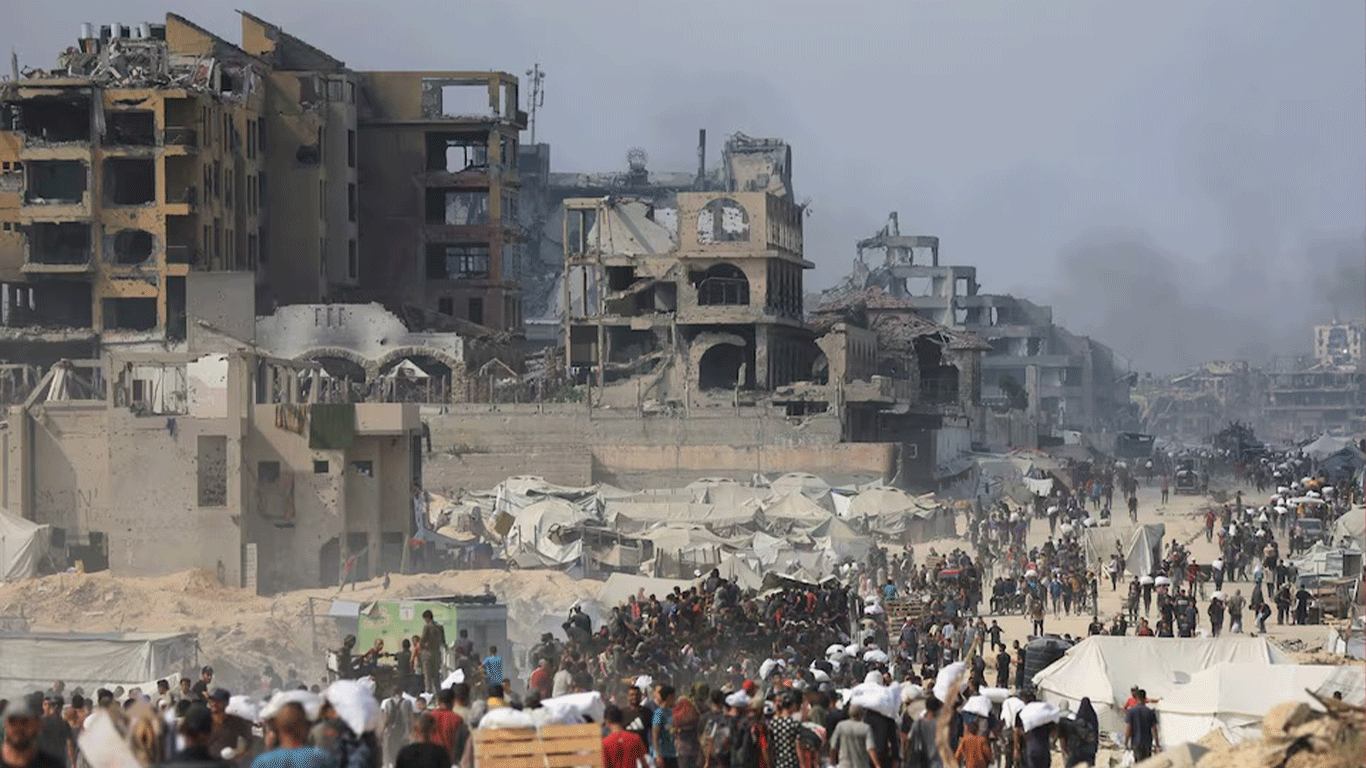
A United Nations Commission of Inquiry concluded on Tuesday (16 Sept) that Israel has committed genocide in Gaza and that top Israeli officials including Prime Minister Benjamin Netanyahu incited these acts – accusations that Israel called scandalous.

The UN report, issued as Israel announced the start of a ground operation in Gaza City, cites examples of the scale of the killings, aid blockages, forced displacement and the destruction of a fertility clinic to back up its genocide finding, adding its voice to a scholars’ association and rights groups that have reached the same conclusion.

Tag :

Write Your Comment

Your email address will not be published. Required fields are marked *

Save Your Email and Others Information

About Author Information

How to prove genocide, the most serious war crime?

Update Time : 10:03:25 pm, Thursday, 25 September 2025

The 1948 Genocide Convention defines genocide as crimes committed “with intent to destroy, in whole or in part, a national, ethnical, racial or religious group, as such.”

Three cases so far have met international courts’ threshold: the Cambodian Khmer Rouge’s slaughter of minority Cham people and Vietnamese in the 1970s, who were among an estimated 1.7 million dead; the 1994 mass killing of Tutsis in Rwanda that left 800,000 dead; and the 1995 Srebrenica massacre of some 8,000 Muslim men and boys in Bosnia.

Criminal acts comprising genocide include killing members of the group, causing them serious bodily or mental harm, creating conditions calculated to destroy them, preventing births, or forcibly transferring children to other groups.

WHAT MUST PROSECUTORS DO?

To establish genocide, prosecutors must first show that the victims were part of a distinct national, ethnic, racial or religious group. This excludes groups targeted for political beliefs.

Genocide is harder to show than other violations of international humanitarian law, such as war crimes and crimes against humanity, because it requires evidence of specific intent.

PAST CASES

The International Criminal Tribunal for Rwanda convicted dozens of senior officials, all of them Hutus, of genocide against Tutsis.

When former Rwandan Mayor Jean-Paul Akayesu was found guilty of the crime in 1998, the court became the first international tribunal to interpret the definition of genocide set forth in the 1948 Genocide Convention.

In 2018, a hybrid UN-Cambodian tribunal found two leaders of Cambodia’s Khmer Rouge guilty of genocide following years of debate about whether the “Killing Fields” constituted genocide. The judges ruled that the Khmer Rouge had a policy to target Cham and Vietnamese people to create “an atheistic and homogenous society”.

The International Criminal Tribunal for the former Yugoslavia convicted several key figures of genocide for their roles in the Srebrenica killings during the Balkan wars of the 1990s. They include wartime Bosnian Serb military commander Ratko Mladic and Bosnian Serb political leader Radovan Karadzic. Former Yugoslav President Slobodan Milosevic died in custody before his genocide trial concluded.

A United Nations Commission of Inquiry concluded on Tuesday (16 Sept) that Israel has committed genocide in Gaza and that top Israeli officials including Prime Minister Benjamin Netanyahu incited these acts – accusations that Israel called scandalous.

The UN report, issued as Israel announced the start of a ground operation in Gaza City, cites examples of the scale of the killings, aid blockages, forced displacement and the destruction of a fertility clinic to back up its genocide finding, adding its voice to a scholars’ association and rights groups that have reached the same conclusion.