5:12 am, Saturday, 6 December 2025

Tourism in haor areas causing fish decline: Farida Akhter

  • Reporter Name
  • Update Time : 10:40:20 pm, Sunday, 28 September 2025
  • 37 Time View

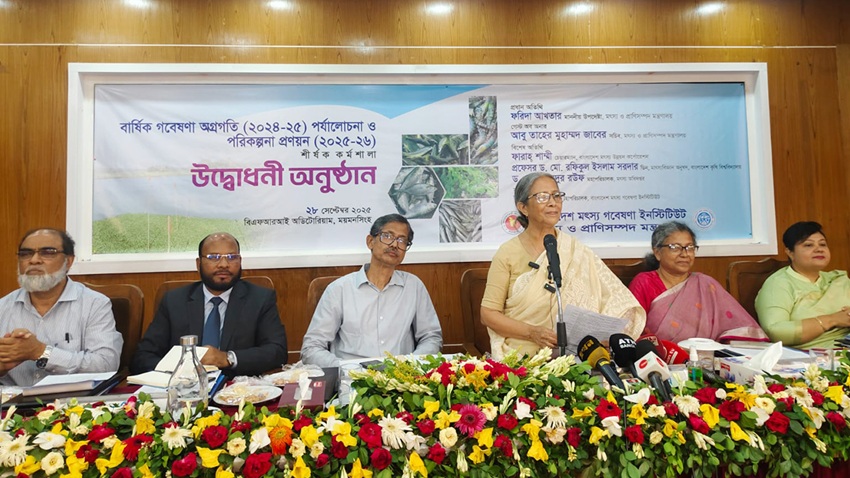
Farida Akhter, Fisheries and Livestock Advisor, stated that tourism in Tanguar Haor is negatively impacting fish populations, urging authorities to regulate tourism in fish-abundant areas.

She pointed out that haor ecosystem alternates between being submerged in water for half the year and used for agricultural cultivation during the other half, which leads to use of uncontrolled pesticides affecting aquatic life.

She made these remarks on Sunday during her speech as the chief guest at a workshop held at Bangladesh Fisheries Research Institute (BFRI) in Mymensingh, focused on reviewing annual research progress and planning future studies.

Farida Akhter highlighted the diversity of fish species in Bangladesh and expressed concern over the decline in Hilsa production due to pollution in the Meghna and Padma rivers and the encroachment of floodplains.

She called for further research to include important species like Haldar Rui and Katla in Geographical Indication (GI) list.

Additionally, she stressed the need to create a conservation status list for endangered fish species, similar to environmental endangered lists and urged the implementation of projects toward this goal.

She emphasized that free water bodies should not be leased arbitrarily but should be managed by those involved in fisheries.

She noted that in the past, 60% of fish production came from open water bodies and 40% from closed water bodies, but this ratio has now reversed.

Farida also mentioned the unique taste and environmental characteristics of fish from different regions, highlighting the role of scientists in researching these variations.

Abu Jaher Mohammad Jaber, Secretary of Ministry of Fisheries and Livestock, spoke about the need to properly present to National Board of Revenue (NBR) the reasons behind high fish feed costs to ensure fair pricing.

He also stressed the importance of fisheries scientists playing a stronger role in developing new fish breeds and preventing river pollution.

Farah Shammi, Chairman of Bangladesh Fisheries Development Corporation, urged that research must open new horizons for the fisheries sector, which would ultimately enhance foreign currency earnings.

In her presidential remarks, Dr. Anuradha Bhadra, Director General of BFRI, revealed that 49 research proposals were presented at the workshop.

She also noted ongoing work by BFRI scientists to develop vaccines for fish disease prevention.

Other speakers included Dr. Md Rafiqul Islam, Dean of Faculty of Fisheries Science at Bangladesh Agricultural University, Director General of Department of Fisheries Dr. Md. Abdur Rouf, scientists from BFRI, officials from Department of Fisheries and Livestock and fish farmers.

Earlier, senior scientific officer Dr. Mohammad Ashraful Alam detailed the research plans at the start of the workshop.


Tag :

Write Your Comment

Your email address will not be published. Required fields are marked *

Save Your Email and Others Information

About Author Information

Tourism in haor areas causing fish decline: Farida Akhter

Update Time : 10:40:20 pm, Sunday, 28 September 2025

Farida Akhter, Fisheries and Livestock Advisor, stated that tourism in Tanguar Haor is negatively impacting fish populations, urging authorities to regulate tourism in fish-abundant areas.

She pointed out that haor ecosystem alternates between being submerged in water for half the year and used for agricultural cultivation during the other half, which leads to use of uncontrolled pesticides affecting aquatic life.

She made these remarks on Sunday during her speech as the chief guest at a workshop held at Bangladesh Fisheries Research Institute (BFRI) in Mymensingh, focused on reviewing annual research progress and planning future studies.

Farida Akhter highlighted the diversity of fish species in Bangladesh and expressed concern over the decline in Hilsa production due to pollution in the Meghna and Padma rivers and the encroachment of floodplains.

She called for further research to include important species like Haldar Rui and Katla in Geographical Indication (GI) list.

Additionally, she stressed the need to create a conservation status list for endangered fish species, similar to environmental endangered lists and urged the implementation of projects toward this goal.

She emphasized that free water bodies should not be leased arbitrarily but should be managed by those involved in fisheries.

She noted that in the past, 60% of fish production came from open water bodies and 40% from closed water bodies, but this ratio has now reversed.

Farida also mentioned the unique taste and environmental characteristics of fish from different regions, highlighting the role of scientists in researching these variations.

Abu Jaher Mohammad Jaber, Secretary of Ministry of Fisheries and Livestock, spoke about the need to properly present to National Board of Revenue (NBR) the reasons behind high fish feed costs to ensure fair pricing.

He also stressed the importance of fisheries scientists playing a stronger role in developing new fish breeds and preventing river pollution.

Farah Shammi, Chairman of Bangladesh Fisheries Development Corporation, urged that research must open new horizons for the fisheries sector, which would ultimately enhance foreign currency earnings.

In her presidential remarks, Dr. Anuradha Bhadra, Director General of BFRI, revealed that 49 research proposals were presented at the workshop.

She also noted ongoing work by BFRI scientists to develop vaccines for fish disease prevention.

Other speakers included Dr. Md Rafiqul Islam, Dean of Faculty of Fisheries Science at Bangladesh Agricultural University, Director General of Department of Fisheries Dr. Md. Abdur Rouf, scientists from BFRI, officials from Department of Fisheries and Livestock and fish farmers.

Earlier, senior scientific officer Dr. Mohammad Ashraful Alam detailed the research plans at the start of the workshop.