Reporter Name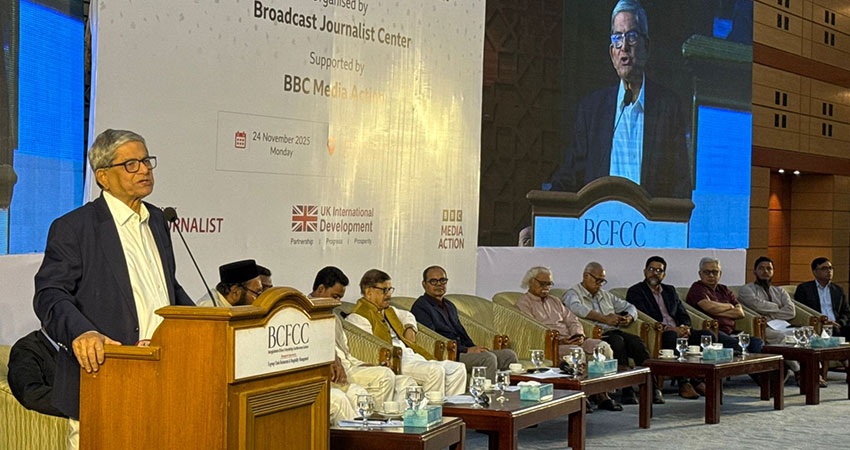
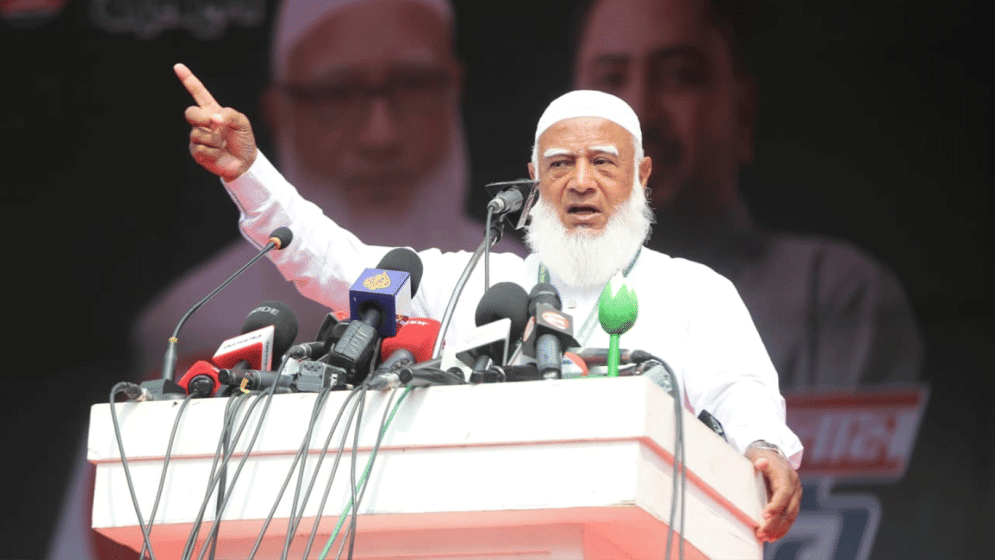
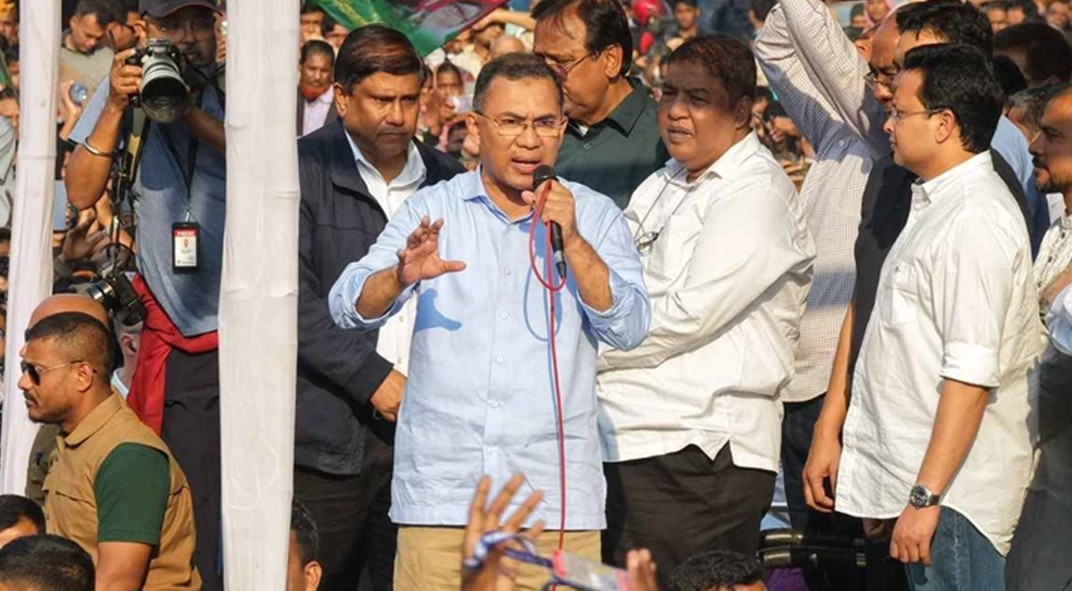
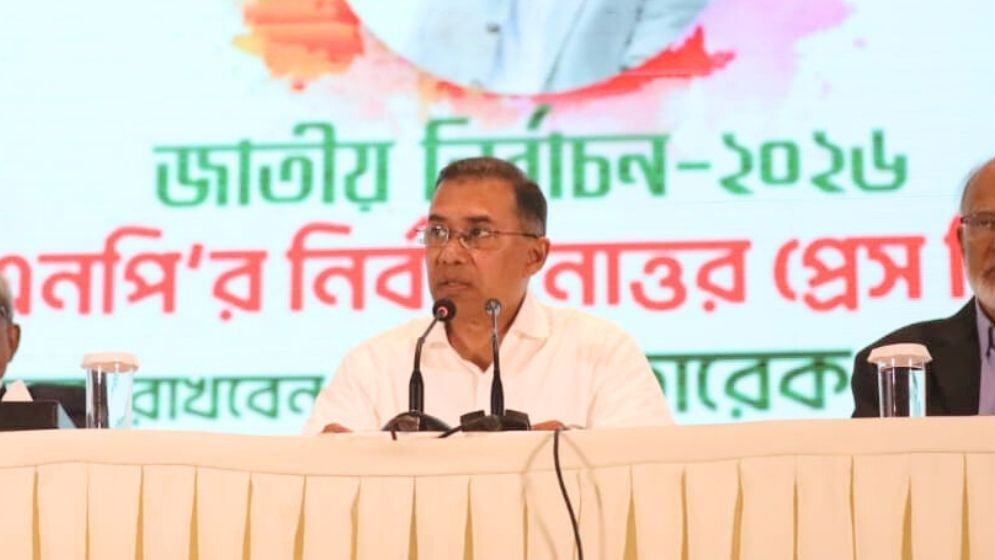
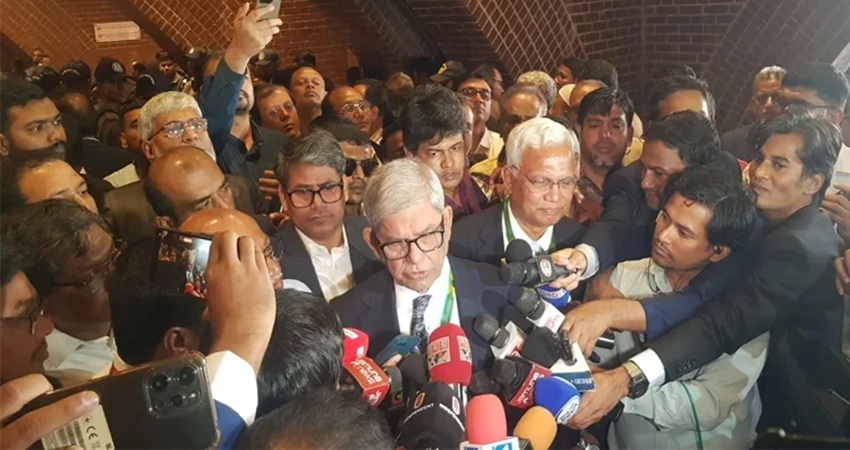
Speaking at a consultation meeting organised by the Broadcast Journalists Center (BJC) at the Bangladesh-China Friendship Conference Center on Monday, he said, “You have multiple unions, BFUJ, DRU, and within each, there are factions. Many journalists are now openly joining political parties. When you allow yourself to be pulled in, it becomes a problem.”
The event, title “Review of Media Reform Report,” was the fourth in a series of stakeholder consultations aimed at gathering feedback on proposed media reforms.
Fakhrul reiterated the BNP’s commitment to press freedom, referencing its 31-point reform agenda, which includes a pledge to establish a Media Reform Commission immediately upon returning to power.
“Our position is clear: we envision an independent, professional, and accountable media,” he said. “We’ve made that promise before, and we will uphold it.”
He noted that previous BNP-led governments had taken steps to strengthen media independence and recalled that media reform was also a key objective during past interim administrations.
Following nearly four months of discussions, draft recommendations from the Media Reform Commission are being reviewed, with the BJC facilitating dialogue among political parties, journalists, and civil society to consolidate feedback—particularly from the broadcast journalism community.
During the session, several political participants raised concerns over what they described as media bias and lack of balance in recent years, calling for greater professionalism and ethical accountability.
Fakhrul concluded with a stark reminder, saying, “Parties will always try to influence the press—but the real danger begins when journalists willingly enter their pockets.”