3:46 pm, Wednesday, 17 December 2025

Tarique questions LDC graduation timeline, warns of economic strain on ordinary families

  • Reporter Name
  • Update Time : 10:29:12 pm, Monday, 24 November 2025
  • 13 Time View

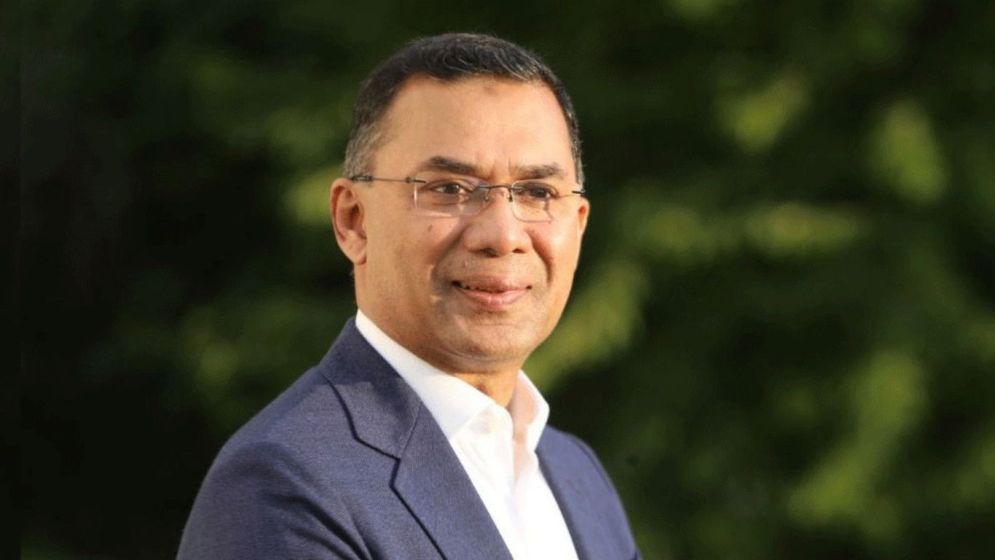
BNP acting chairman Tarique Rahman has raised fresh concerns about Bangladesh’s planned graduation from the Least Developed Countries (LDC) category in 2026, warning that the decision—taken without electoral legitimacy—could deepen economic pressure on businesses and workers.

In a detailed Facebook post on Monday, he illustrated the impact of losing tariff benefits through examples of small garment factory owners and workers, saying the consequences of LDC graduation are “silent crises” unfolding inside ordinary homes.

Tarique argued that the current interim government lacks the mandate to make long-term economic commitments that will shape Bangladesh’s future for decades. He said moving ahead with the 2026 graduation timeline without keeping open the option of deferral is “purely a political decision”.

He criticised the government’s claim that seeking a deferral would be impossible or humiliating, noting that other countries, including Angola and Samoa, have had their graduation timelines adjusted. UN rules themselves allow flexibility during economic shocks, he added.

Tarique said the business community is already feeling pressure due to stress in the banking sector, foreign exchange shortages, rising debt risks and slowing exports. “Having the ‘right’ to graduate is not the same as being ‘ready’ to graduate,” he wrote.

Linking the issue to recent long-term decisions about Chattogram Port, he said such strategic commitments should not be made by a non-elected government.

“This is not about personalities. It is about protecting institutions and ensuring that decisions shaping decades of national life are made by governments accountable to the people,” Tarique said.

He said the people of Bangladesh want their voices heard and stressed the importance of public consultation, strategic patience and democratic legitimacy ahead of the national elections scheduled for February 2026.

“The future of this country must be shaped by those who live in it,” he added.

Tag :

Write Your Comment

Your email address will not be published. Required fields are marked *

Save Your Email and Others Information

About Author Information

Tarique questions LDC graduation timeline, warns of economic strain on ordinary families

Update Time : 10:29:12 pm, Monday, 24 November 2025

BNP acting chairman Tarique Rahman has raised fresh concerns about Bangladesh’s planned graduation from the Least Developed Countries (LDC) category in 2026, warning that the decision—taken without electoral legitimacy—could deepen economic pressure on businesses and workers.

In a detailed Facebook post on Monday, he illustrated the impact of losing tariff benefits through examples of small garment factory owners and workers, saying the consequences of LDC graduation are “silent crises” unfolding inside ordinary homes.

Tarique argued that the current interim government lacks the mandate to make long-term economic commitments that will shape Bangladesh’s future for decades. He said moving ahead with the 2026 graduation timeline without keeping open the option of deferral is “purely a political decision”.

He criticised the government’s claim that seeking a deferral would be impossible or humiliating, noting that other countries, including Angola and Samoa, have had their graduation timelines adjusted. UN rules themselves allow flexibility during economic shocks, he added.

Tarique said the business community is already feeling pressure due to stress in the banking sector, foreign exchange shortages, rising debt risks and slowing exports. “Having the ‘right’ to graduate is not the same as being ‘ready’ to graduate,” he wrote.

Linking the issue to recent long-term decisions about Chattogram Port, he said such strategic commitments should not be made by a non-elected government.

“This is not about personalities. It is about protecting institutions and ensuring that decisions shaping decades of national life are made by governments accountable to the people,” Tarique said.

He said the people of Bangladesh want their voices heard and stressed the importance of public consultation, strategic patience and democratic legitimacy ahead of the national elections scheduled for February 2026.

“The future of this country must be shaped by those who live in it,” he added.