6:20 pm, Saturday, 17 January 2026

Bangladesh economy rebounded in 2nd half of FY25: WB

  • Reporter Name
  • Update Time : 09:20:46 pm, Tuesday, 7 October 2025
  • 68 Time View

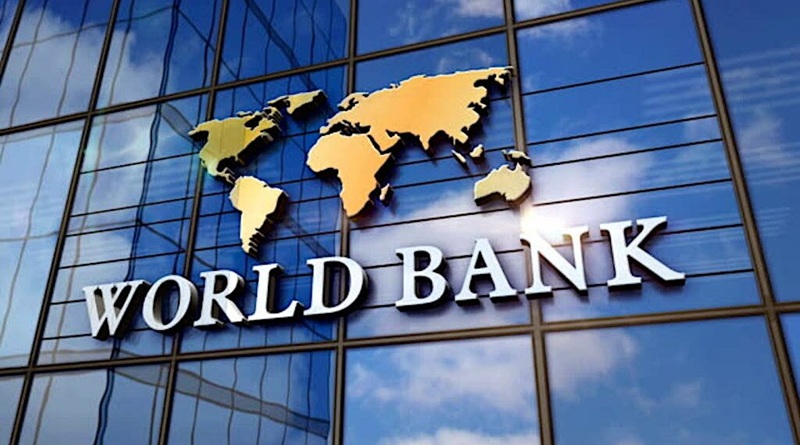
Bangladesh’s economy showed a significant rebound during the second half of fiscal year 2024–25 (FY25), supported by strong export performance, record remittance inflows, and rising foreign exchange reserves, according to the latest Bangladesh Development Update released by the World Bank.

The report notes that external pressures eased in FY25 after the adoption of a market-based exchange rate, a narrowing current account deficit, and tighter monetary policy. Inflation moderated due to reduced import duties on essential food items and strong harvests. However, the fiscal deficit widened, driven by weak tax revenue collection and increasing subsidies and interest payments.

Despite the recovery, the World Bank highlighted growing challenges in employment and poverty. Poverty increased between 2023 and 2024, and labour force participation dropped from 60.9% to 58.9%, with women being disproportionately affected. Of the three million working-age individuals who left the labour force, 2.4 million were women.

The Bank projects GDP growth will rise to 4.8% in FY26, up from 4.0% in FY25, and reach 6.3% by FY27, assuming reforms are implemented. These include strengthening domestic revenue mobilization, addressing banking sector vulnerabilities, cutting energy subsidies, improving urban planning, and enhancing the overall investment climate.

The report also calls for a rethinking of spatial development strategies, urging more equitable job creation beyond major urban centers like Dhaka and Chattogram, where industrial jobs are increasingly concentrated.

Released alongside the South Asia Development Update titled “Jobs, AI, and Trade,” the World Bank warns of a potential regional slowdown despite South Asia being the fastest-growing region globally, with projected growth of 6.6% in 2025. The regional report advocates for reducing trade barriers, especially in intermediate goods, and embracing AI to spur productivity and job creation.

“Bangladesh’s economy has shown resilience, but this cannot be taken for granted,” said Jean Pesme, World Bank Division Director for Bangladesh and Bhutan. “Bold reforms and faster implementation are essential to ensure sustainable growth and quality employment, particularly for youth and women.”

The report concludes that increasing trade openness and strategically adopting AI could be transformative for Bangladesh and South Asia, but urgent policy measures are needed to help reallocate resources and workers toward more productive and inclusive sectors.

Tag :

Write Your Comment

Your email address will not be published. Required fields are marked *

Save Your Email and Others Information

About Author Information

Bangladesh economy rebounded in 2nd half of FY25: WB

Update Time : 09:20:46 pm, Tuesday, 7 October 2025

Bangladesh’s economy showed a significant rebound during the second half of fiscal year 2024–25 (FY25), supported by strong export performance, record remittance inflows, and rising foreign exchange reserves, according to the latest Bangladesh Development Update released by the World Bank.

The report notes that external pressures eased in FY25 after the adoption of a market-based exchange rate, a narrowing current account deficit, and tighter monetary policy. Inflation moderated due to reduced import duties on essential food items and strong harvests. However, the fiscal deficit widened, driven by weak tax revenue collection and increasing subsidies and interest payments.

Despite the recovery, the World Bank highlighted growing challenges in employment and poverty. Poverty increased between 2023 and 2024, and labour force participation dropped from 60.9% to 58.9%, with women being disproportionately affected. Of the three million working-age individuals who left the labour force, 2.4 million were women.

The Bank projects GDP growth will rise to 4.8% in FY26, up from 4.0% in FY25, and reach 6.3% by FY27, assuming reforms are implemented. These include strengthening domestic revenue mobilization, addressing banking sector vulnerabilities, cutting energy subsidies, improving urban planning, and enhancing the overall investment climate.

The report also calls for a rethinking of spatial development strategies, urging more equitable job creation beyond major urban centers like Dhaka and Chattogram, where industrial jobs are increasingly concentrated.

Released alongside the South Asia Development Update titled “Jobs, AI, and Trade,” the World Bank warns of a potential regional slowdown despite South Asia being the fastest-growing region globally, with projected growth of 6.6% in 2025. The regional report advocates for reducing trade barriers, especially in intermediate goods, and embracing AI to spur productivity and job creation.

“Bangladesh’s economy has shown resilience, but this cannot be taken for granted,” said Jean Pesme, World Bank Division Director for Bangladesh and Bhutan. “Bold reforms and faster implementation are essential to ensure sustainable growth and quality employment, particularly for youth and women.”

The report concludes that increasing trade openness and strategically adopting AI could be transformative for Bangladesh and South Asia, but urgent policy measures are needed to help reallocate resources and workers toward more productive and inclusive sectors.