5:43 am, Wednesday, 7 January 2026

CAB urges govt action to curb rising LPG, sugar, edible oil prices

  • Reporter Name
  • Update Time : 07:03:31 pm, Saturday, 3 January 2026
  • 70 Time View

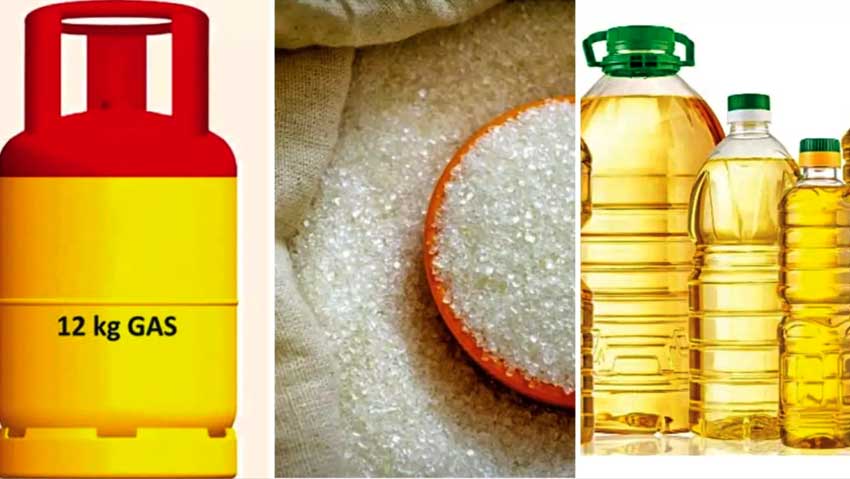
Consumers Association of Bangladesh (CAB) has urged the government to take immediate action to rein in what it described as abnormal and persistent price hikes in sugar, liquefied petroleum gas (LPG) and edible oils, warning of growing consumer frustration across the country.

In a statement issued on Saturday, CAB alleged that an influential group is destabilising the sugar market by creating artificial shortages through syndication and supply manipulation at the import, mill and distribution stages.

The association also criticised recent price increases in LPG, soybean oil and palm oil, saying the hikes are unjustified and are significantly raising the cost of living for ordinary consumers.

According to CAB, sugar prices were relatively stable just a week ago, but wholesale rates have risen sharply, pushing retail prices up by Tk 10 per kilogram.

The association attributed the surge to a halt in white sugar imports and alleged shortfalls in production and supply at the mill level.

It claimed traders are once again manipulating prices ahead of Ramadan, a pattern that recurs every year.

Edible oil prices have also increased in recent weeks, with soybean and palm oil prices rising by Tk 5 to Tk 10 per litre.

CAB cited Trading Corporation of Bangladesh (TCB) data showing that retail bottled soybean oil prices have increased by 12.85 percent over the past year.

CAB criticised what it called the selective use of international market trends to justify domestic price hikes, noting that price reductions are rarely passed on to consumers when global prices fall.

On LPG, the association said there is no valid justification for recent price increases or reported shortages.

It alleged that some traders are charging prices well above government-fixed rates, citing higher demand, and suggested possible manipulation by importers and distributors.

CAB also criticised the Bangladesh Energy Regulatory Commission (BERC) for setting prices without ensuring effective enforcement, allowing traders to routinely ignore official rates.

The association warned that syndicates are exploiting administrative distractions ahead of Ramadan and other upcoming occasions.

It said the current price hikes are disconnected from actual supply conditions and international market movements, reflecting weak market management and inadequate monitoring.

“If markets for essential commodities such as LPG, sugar and edible oil remain under the control of syndicates, consumers’ purchasing power will erode and public confidence in the market system will further weaken,” CAB said.

To address the situation, CAB placed seven demands before the government, including:

1. Verifying sugar production, stock and supply at the mill level to identify those creating artificial shortages

2. Taking exemplary legal action against syndicates and hoarders in the sugar and edible oil markets

3. Ensuring domestic edible oil prices reflect international market trends and import costs

4. Strengthening administrative measures to reduce unjustified gaps between wholesale and retail prices

5. Directing the Ministry of Power, Energy and Mineral Resources to coordinate with district administrations, the Directorate of National Consumer Rights Protection and law enforcement agencies to enforce government-set LPG prices

6. Intensifying monitoring of LPG importers and distributors, including stock, supply and retail sales

7. Maintaining continuous market surveillance of essential commodities at district and upazila levels, without disruption due to elections or other administrative priorities

CAB warned that failure to implement immediate, strict and coordinated measures could further worsen volatility in the sugar, LPG and other essential commodity markets.

The association expressed hope that swift government action would ensure fair pricing and relief for consumers.


Tag :

Write Your Comment

Your email address will not be published. Required fields are marked *

Save Your Email and Others Information

About Author Information

CAB urges govt action to curb rising LPG, sugar, edible oil prices

Update Time : 07:03:31 pm, Saturday, 3 January 2026

Consumers Association of Bangladesh (CAB) has urged the government to take immediate action to rein in what it described as abnormal and persistent price hikes in sugar, liquefied petroleum gas (LPG) and edible oils, warning of growing consumer frustration across the country.

In a statement issued on Saturday, CAB alleged that an influential group is destabilising the sugar market by creating artificial shortages through syndication and supply manipulation at the import, mill and distribution stages.

The association also criticised recent price increases in LPG, soybean oil and palm oil, saying the hikes are unjustified and are significantly raising the cost of living for ordinary consumers.

According to CAB, sugar prices were relatively stable just a week ago, but wholesale rates have risen sharply, pushing retail prices up by Tk 10 per kilogram.

The association attributed the surge to a halt in white sugar imports and alleged shortfalls in production and supply at the mill level.

It claimed traders are once again manipulating prices ahead of Ramadan, a pattern that recurs every year.

Edible oil prices have also increased in recent weeks, with soybean and palm oil prices rising by Tk 5 to Tk 10 per litre.

CAB cited Trading Corporation of Bangladesh (TCB) data showing that retail bottled soybean oil prices have increased by 12.85 percent over the past year.

CAB criticised what it called the selective use of international market trends to justify domestic price hikes, noting that price reductions are rarely passed on to consumers when global prices fall.

On LPG, the association said there is no valid justification for recent price increases or reported shortages.

It alleged that some traders are charging prices well above government-fixed rates, citing higher demand, and suggested possible manipulation by importers and distributors.

CAB also criticised the Bangladesh Energy Regulatory Commission (BERC) for setting prices without ensuring effective enforcement, allowing traders to routinely ignore official rates.

The association warned that syndicates are exploiting administrative distractions ahead of Ramadan and other upcoming occasions.

It said the current price hikes are disconnected from actual supply conditions and international market movements, reflecting weak market management and inadequate monitoring.

“If markets for essential commodities such as LPG, sugar and edible oil remain under the control of syndicates, consumers’ purchasing power will erode and public confidence in the market system will further weaken,” CAB said.

To address the situation, CAB placed seven demands before the government, including:

1. Verifying sugar production, stock and supply at the mill level to identify those creating artificial shortages

2. Taking exemplary legal action against syndicates and hoarders in the sugar and edible oil markets

3. Ensuring domestic edible oil prices reflect international market trends and import costs

4. Strengthening administrative measures to reduce unjustified gaps between wholesale and retail prices

5. Directing the Ministry of Power, Energy and Mineral Resources to coordinate with district administrations, the Directorate of National Consumer Rights Protection and law enforcement agencies to enforce government-set LPG prices

6. Intensifying monitoring of LPG importers and distributors, including stock, supply and retail sales

7. Maintaining continuous market surveillance of essential commodities at district and upazila levels, without disruption due to elections or other administrative priorities

CAB warned that failure to implement immediate, strict and coordinated measures could further worsen volatility in the sugar, LPG and other essential commodity markets.

The association expressed hope that swift government action would ensure fair pricing and relief for consumers.