1:24 am, Sunday, 11 January 2026

Referendum will safeguard country from fascist rule: Ali Riaz

  • Reporter Name
  • Update Time : 04:36:07 pm, Friday, 9 January 2026
  • 13 Time View

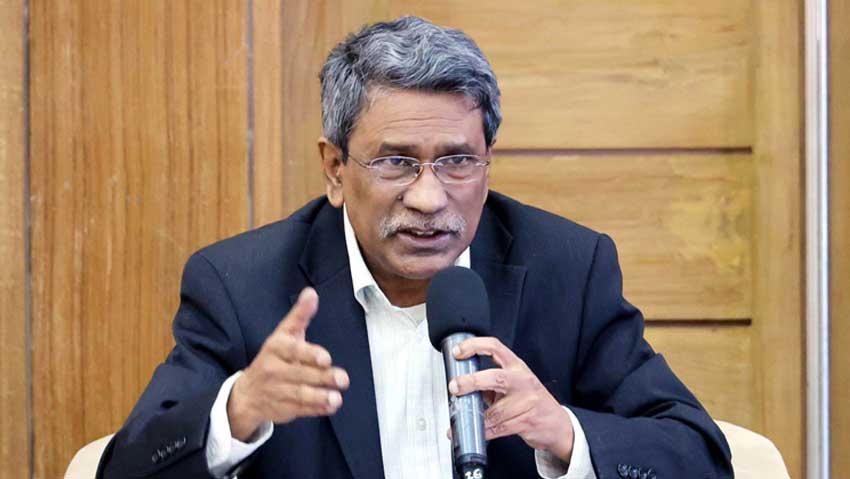
Prof Ali Riaz, special assistant to the chief adviser, has said that the upcoming referendum is designed to prevent any future government from turning fascist.

He made the remarks while addressing workshop, titled “The Upcoming Referendum and the Role of NGOs”, held at NGO Affairs Bureau conference hall in Dhaka on Thursday.

It was chaired by NGO Affairs Bureau Director General Md Daud Mia and attended by representatives from around 450 local and international NGOs.As the chief coordinator of the government’s referendum campaign, Prof Riaz stressed that historical flaws in the country’s constitutional and state structures have allowed those in power to become authoritarian.

He said the upcoming referendum offers a critical opportunity to block the path to fascism by ensuring a “Yes” victory.
“Voters will receive two ballots at polling centres; one white ballot for electing representatives and a coloured ballot for the referendum,” Prof Riaz explained, adding that the referendum, like other elections, will follow a standard voting process.

He emphasised that its purpose is clear: people will decide how Bangladesh will be governed in the future.
Highlighting the collective responsibility of citizens and civil society, Prof Riaz urged NGOs to play a central role in raising awareness at the grassroots level.
He noted that those who sacrificed their lives in the July mass uprising and those still struggling for democracy have entrusted this responsibility to the people.

Prof Riaz also stressed that one of the country’s major challenges is the lack of transparency and accountability in state institutions.
He said implementing the July National Charter through public consent in the referendum would pave the way for greater transparency and stronger governance.

Special discussant Monir Haider, special assistant to the chief adviser (consensus), recalled the deprivation of democratic rights during Pakistani rule.
He warned that without the reforms approved through the referendum, the country risks returning to a pre-August 5 situation.

He added that a “Yes” vote would help establish an effective parliamentary system, restore balance among state institutions, decentralise the judiciary and strengthen transparency and accountability in governance.
Badiul Alam Majumdar, editor of Shujan, presented a discussion titled “What Is the Referendum and Why?”, highlighting the reforms in the July National Charter and related issues.
NGO Affairs Bureau Director General Md Daud Mia said that NGOs, in collaboration with the bureau, will work to raise awareness about the referendum among an estimated 50–60 million people, including direct beneficiaries, their families and indirect beneficiaries.

Tag :

Write Your Comment

Your email address will not be published. Required fields are marked *

Save Your Email and Others Information

About Author Information

Referendum will safeguard country from fascist rule: Ali Riaz

Update Time : 04:36:07 pm, Friday, 9 January 2026

Prof Ali Riaz, special assistant to the chief adviser, has said that the upcoming referendum is designed to prevent any future government from turning fascist.

He made the remarks while addressing workshop, titled “The Upcoming Referendum and the Role of NGOs”, held at NGO Affairs Bureau conference hall in Dhaka on Thursday.

It was chaired by NGO Affairs Bureau Director General Md Daud Mia and attended by representatives from around 450 local and international NGOs.As the chief coordinator of the government’s referendum campaign, Prof Riaz stressed that historical flaws in the country’s constitutional and state structures have allowed those in power to become authoritarian.

He said the upcoming referendum offers a critical opportunity to block the path to fascism by ensuring a “Yes” victory.
“Voters will receive two ballots at polling centres; one white ballot for electing representatives and a coloured ballot for the referendum,” Prof Riaz explained, adding that the referendum, like other elections, will follow a standard voting process.

He emphasised that its purpose is clear: people will decide how Bangladesh will be governed in the future.
Highlighting the collective responsibility of citizens and civil society, Prof Riaz urged NGOs to play a central role in raising awareness at the grassroots level.
He noted that those who sacrificed their lives in the July mass uprising and those still struggling for democracy have entrusted this responsibility to the people.

Prof Riaz also stressed that one of the country’s major challenges is the lack of transparency and accountability in state institutions.
He said implementing the July National Charter through public consent in the referendum would pave the way for greater transparency and stronger governance.

Special discussant Monir Haider, special assistant to the chief adviser (consensus), recalled the deprivation of democratic rights during Pakistani rule.
He warned that without the reforms approved through the referendum, the country risks returning to a pre-August 5 situation.

He added that a “Yes” vote would help establish an effective parliamentary system, restore balance among state institutions, decentralise the judiciary and strengthen transparency and accountability in governance.
Badiul Alam Majumdar, editor of Shujan, presented a discussion titled “What Is the Referendum and Why?”, highlighting the reforms in the July National Charter and related issues.
NGO Affairs Bureau Director General Md Daud Mia said that NGOs, in collaboration with the bureau, will work to raise awareness about the referendum among an estimated 50–60 million people, including direct beneficiaries, their families and indirect beneficiaries.