5:09 am, Thursday, 22 January 2026

Feb polls will set benchmark for future: CA Yunus

  • Reporter Name
  • Update Time : 10:04:11 pm, Wednesday, 21 January 2026
  • 7 Time View
Chief Adviser (CA) Dr Muhammad Yunus on Wednesday said the upcoming 13th parliamentary election is intended to become a model for future polls and stressed that the need for flawless preparation, strict coordination, and full compliance with Election Commission (EC) directives.

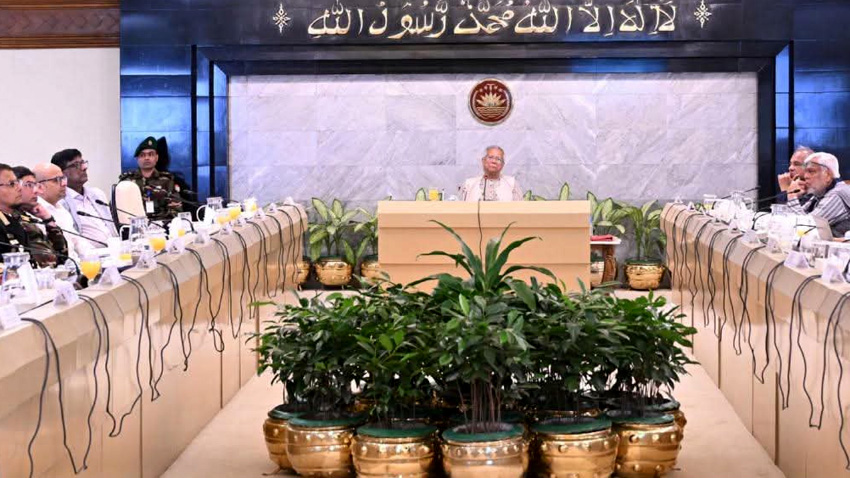
He made the remarks while chairing a high-level meeting, held at the CA’s office on January 21, on the overall law and order situation ahead of the parliamentary election and a referendum on the implementation of July National Charter. The meeting was .

Dr Yunus told that the government’s primary role is to assist EC and ensure that no shortcomings occur on election day.

He described the election as a major national challenge that must be completed successfully and recorded as a historic achievement. He said February 12 must pass without any lapses and added that the 2026 election should set an ideal standard for the future.

Referring to preparations, the chief adviser said the country has entered a phased testing period, beginning now and culminating on election day. He stressed that the EC’s instructions are paramount and that all agencies must work together in line with its guidelines.

He said the Ministry of Home Affairs will play the central command role in maintaining law and order, noting that the election poses both conventional and technological challenges.

To enhance transparency and accountability, he said body cameras and CCTV cameras will be used, with all activities monitored from a central control room. He also emphasised the need for seamless coordination among all forces involved in election duties.

Dr Yunus said a large number of domestic and international journalists and observers are expected to cover the election, underscoring the importance of taking the process with utmost seriousness.

He said the current situation and preparations indicate that a credible and peaceful election is achievable. He also noted that contesting candidates have so far shown positive attitudes and mutual respect, expressing hope that this environment will continue.

The meeting was attended by senior advisers, military chiefs, top civil and security officials, and heads of intelligence agencies. Election Commission Secretary Akhtar Ahmed said 51 of the 59 registered political parties are participating in the election.

He added that representatives from 26 countries have been invited to observe the polls and that the European Union is expected to deploy a mission of around 300 observers, with 56 already in Bangladesh. He said candidates may campaign from midnight on January 21 until 7:30am on February 10.

The EC secretary said misinformation in cyberspace will be a major challenge, noting that counting ballots for party symbols, the referendum, and postal votes may take additional time. He urged the media to act responsibly to prevent the spread of rumours during the counting process.

Advisers responsible for power, energy, telecommunications, and information technology said their ministries are working to ensure uninterrupted electricity, mobile network coverage, and internet services at all polling centres on election day.

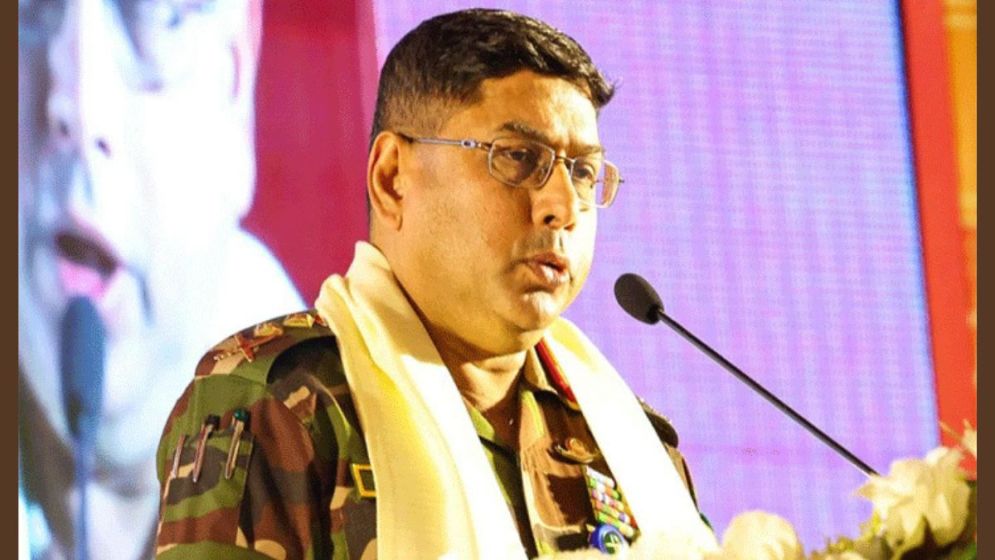
Army Chief Waker-Uz-Zaman said security forces are taking coordinated measures to ensure public confidence during the polls. He said a significant portion of weapons and ammunition looted during unrest in August 2024 has already been recovered, contributing to improved security conditions.

Officials said armed Ansar members will remain inside polling centres to ensure the safety of presiding officers and prevent unlawful activities, while members of the armed forces will be treated as law enforcement personnel and may enter polling premises if necessary.

Authorities said body cameras and drones will be deployed where required, with forces to be mobilised four days before the vote and remain in the field for seven days after.

Dr Yunus told body cameras offer significant potential and, if used properly, could deliver major gains in election transparency, adding that such coordination meetings will now be held weekly, or more frequently if necessary, as the election approaches.

Tag :

Write Your Comment

Your email address will not be published. Required fields are marked *

Save Your Email and Others Information

About Author Information

Feb polls will set benchmark for future: CA Yunus

Update Time : 10:04:11 pm, Wednesday, 21 January 2026
Chief Adviser (CA) Dr Muhammad Yunus on Wednesday said the upcoming 13th parliamentary election is intended to become a model for future polls and stressed that the need for flawless preparation, strict coordination, and full compliance with Election Commission (EC) directives.

He made the remarks while chairing a high-level meeting, held at the CA’s office on January 21, on the overall law and order situation ahead of the parliamentary election and a referendum on the implementation of July National Charter. The meeting was .

Dr Yunus told that the government’s primary role is to assist EC and ensure that no shortcomings occur on election day.

He described the election as a major national challenge that must be completed successfully and recorded as a historic achievement. He said February 12 must pass without any lapses and added that the 2026 election should set an ideal standard for the future.

Referring to preparations, the chief adviser said the country has entered a phased testing period, beginning now and culminating on election day. He stressed that the EC’s instructions are paramount and that all agencies must work together in line with its guidelines.

He said the Ministry of Home Affairs will play the central command role in maintaining law and order, noting that the election poses both conventional and technological challenges.

To enhance transparency and accountability, he said body cameras and CCTV cameras will be used, with all activities monitored from a central control room. He also emphasised the need for seamless coordination among all forces involved in election duties.

Dr Yunus said a large number of domestic and international journalists and observers are expected to cover the election, underscoring the importance of taking the process with utmost seriousness.

He said the current situation and preparations indicate that a credible and peaceful election is achievable. He also noted that contesting candidates have so far shown positive attitudes and mutual respect, expressing hope that this environment will continue.

The meeting was attended by senior advisers, military chiefs, top civil and security officials, and heads of intelligence agencies. Election Commission Secretary Akhtar Ahmed said 51 of the 59 registered political parties are participating in the election.

He added that representatives from 26 countries have been invited to observe the polls and that the European Union is expected to deploy a mission of around 300 observers, with 56 already in Bangladesh. He said candidates may campaign from midnight on January 21 until 7:30am on February 10.

The EC secretary said misinformation in cyberspace will be a major challenge, noting that counting ballots for party symbols, the referendum, and postal votes may take additional time. He urged the media to act responsibly to prevent the spread of rumours during the counting process.

Advisers responsible for power, energy, telecommunications, and information technology said their ministries are working to ensure uninterrupted electricity, mobile network coverage, and internet services at all polling centres on election day.

Army Chief Waker-Uz-Zaman said security forces are taking coordinated measures to ensure public confidence during the polls. He said a significant portion of weapons and ammunition looted during unrest in August 2024 has already been recovered, contributing to improved security conditions.

Officials said armed Ansar members will remain inside polling centres to ensure the safety of presiding officers and prevent unlawful activities, while members of the armed forces will be treated as law enforcement personnel and may enter polling premises if necessary.

Authorities said body cameras and drones will be deployed where required, with forces to be mobilised four days before the vote and remain in the field for seven days after.

Dr Yunus told body cameras offer significant potential and, if used properly, could deliver major gains in election transparency, adding that such coordination meetings will now be held weekly, or more frequently if necessary, as the election approaches.