Reporter Name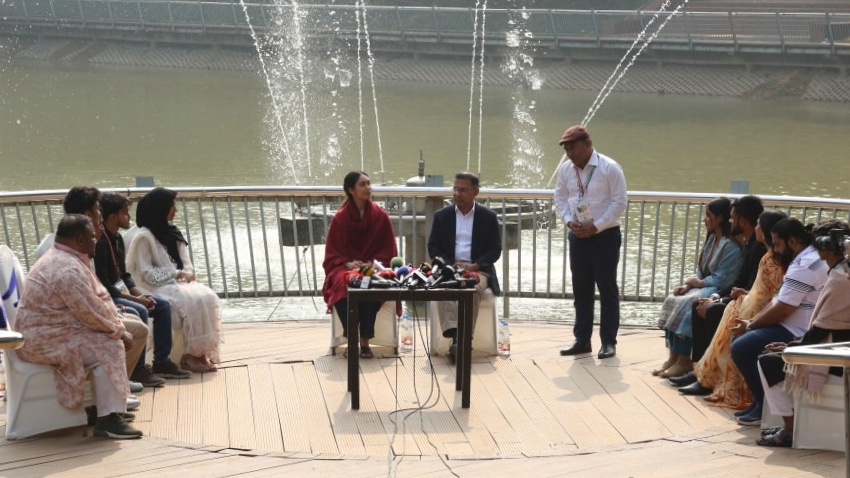
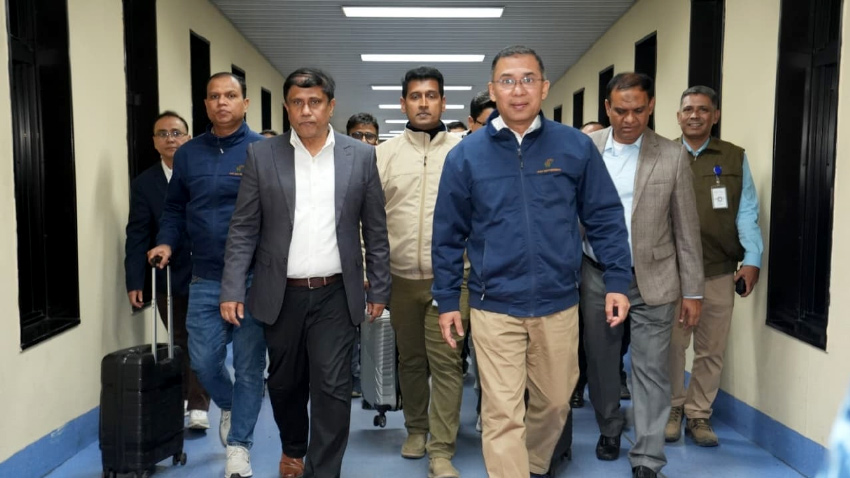
Bangladesh Nationalist Party (BNP) Chairman Tarique Rahman on Saturday said restoring law and order and tackling corruption would be his top priorities, arguing that meaningful progress in these two areas would help resolve many of the country’s other problems.
Speaking at an interaction with winners of a national reel-making competition titled ‘My Vision for Bangladesh’ at Justice Shahabuddin Ahmed Park in Gulshan, Rahman said ensuring public safety on the streets and addressing corruption at all levels were essential first steps. His daughter Zaima Rahman was also present at the event.
Rahman said corruption existed in various forms and at different layers of the system, and that coordinated efforts were needed to confront it.
He said if law and order and corruption were addressed effectively, a large part of the country’s broader challenges would ease, describing this approach as his core plan.
Responding to questions from participants, Rahman explained the proposed family card initiative, saying it aimed to organise and rationalise social safety net programmes.
He said Bangladesh currently had around 138 social protection schemes, but many were poorly coordinated, with some people receiving multiple benefits while others received none. The family card, he said, would help ensure fair distribution.
He added that the scheme would include women from different backgrounds, including the spouses of farmers, van pullers and office workers, as well as single mothers and women facing hardship.On education, the BNP chief said improving quality required more than constructing new school buildings.
He stressed the need to enhance the training and skills of primary school teachers and to focus on teaching social and moral values alongside academic learning.He also said sports, arts and culture should be integrated into the education system to make learning enjoyable for children.
Addressing issues such as mob justice, social decay and cyberbullying, Rahman said early education in distinguishing right from wrong could significantly reduce such problems in the future.He emphasised awareness and values-based education as key preventive tools.On rising commodity prices, Rahman said increasing production alone was not enough.
He stressed the need to control unjustified middlemen between farmers and consumers and pointed to weaknesses in the transport system as a factor driving up prices, calling for reforms in the sector.
Discussing urban congestion, he said traffic jams were worsening due to Dhaka-centric development and job opportunities.
To ease the pressure, he outlined plans to develop satellite towns outside the capital with access to education and healthcare.He also mentioned exploring monorail systems alongside metro rail as part of a broader public transport strategy.
On overseas employment, Rahman said many young Bangladeshis faced difficulties abroad because they migrated without adequate skills.
He said future policies would prioritise skills training before migration and provide incentives for expatriates who send remittances through legal channels.
In a personal moment during the interaction, Rahman said he missed his mother but added that seeing people waiting for him even in the early hours of the morning removed any sense of fatigue.